From ancient civilizations to modern societies, gold has captivated humanity with its luster and allure. This precious metal’s enduring value stems from its rarity, malleability, and cultural significance. Exploring why gold has been revered throughout history unveils insights into human behavior, economics, and the timeless pursuit of beauty that resonates today.
The Historical Allure of Gold: A Journey Through Time
From the dawn of civilization, gold has captivated humanity’s inventiveness and served as a beacon of wealth and power. Its unique properties—luster, malleability, and resistance to tarnish—made gold the perfect choice for our ancestors who sought to express their status, financial prowess, and spirituality. As we delve into the historical journey of gold,it becomes apparent that its allure is not merely rooted in its aesthetic appeal but also in its profound cultural and economic significance throughout time.
The Significance of Gold in Ancient Cultures
In ancient egypt, gold was revered not just for its monetary value but as a symbol of the gods.Pharaohs adorned themselves with gold jewelry and burial artifacts, believing thes items would accompany them into the afterlife.The famous death mask of Tutankhamun is perhaps the most iconic representation of this practice, remarkably capturing the ancient Egyptians’ belief in the eternal nature of gold. Similarly, in Mesopotamia, gold facilitated the rise of early economies by serving as a medium of exchange, showcasing its role in the establishment of trade networks.
Gold in Economic Systems
The historical significance of gold extends into the financial frameworks of various civilizations. In ancient Greece, the introduction of gold coins heralded a transformation in trade practices, allowing merchants to transact with a newfound sense of security and standardization.This practice laid the groundwork for modern banking systems. The following table illustrates notable historical milestones related to gold’s economic prominence:
| Year | Event | impact |
|---|---|---|
| 3000 BC | Use of gold in Egyptian tombs | Establishes cultural reverence |
| 600 BC | First gold coins minted in Lydia | Revolutionizes trade |
| gold Standard Introduced (19th Century) | U.S. adopts gold standard | Stabilizes currency and international trade |
| 1971 | end of Bretton Woods system | Transition to fiat currency, but gold remains a safe haven |
The modern Intrigue of Gold
Even in contemporary society, the question of why gold has been treasured throughout human history continues to resonate. Today, gold maintains its status as a hedge against inflation and economic instability, often seen as a safe haven by investors during turbulent times. The crafting of intricate jewelry and investment schemes like gold ETFs further cements its revered position. For practical advice, consider diversifying your investment portfolio by allocating a portion toward gold—whether in physical forms like coins or bars, or through securities.As society advances, the historical allure of gold remains steadfast, bridging past and present in ways that shape our understanding of wealth and value.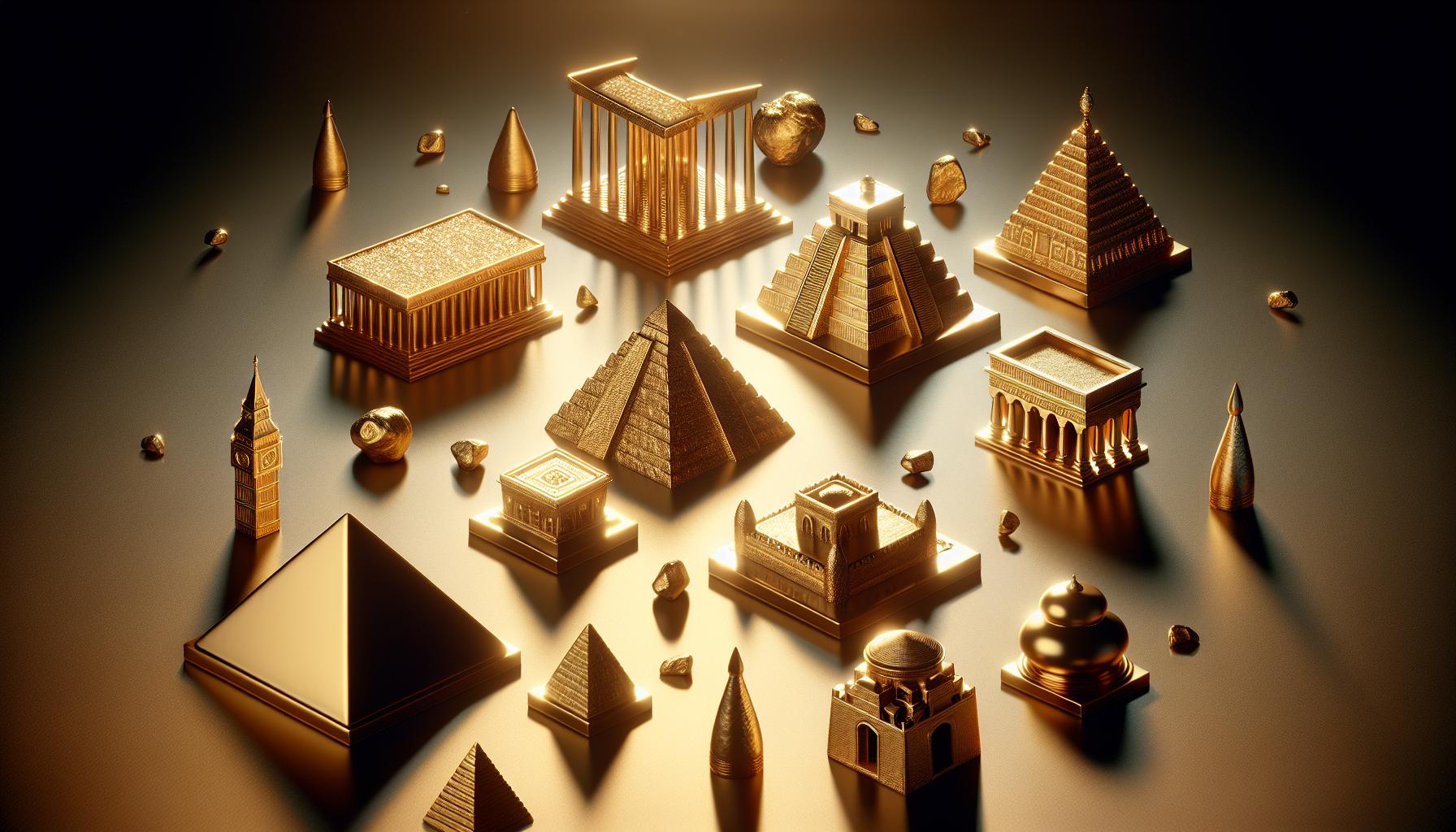
Cultural Significance: How Gold Shaped Civilizations
From ancient Egyptians to modern financial markets, gold has consistently held a pivotal role in shaping human civilization. Its inherent qualities—scarcity, luster, and resistance to tarnish—have made it a global symbol of wealth and power. Each civilization, in its own unique way, has harnessed the allure of gold, embedding it deeply into cultural practices, religious beliefs, and social hierarchies.
Gold in Ancient Civilizations
The influence of gold can be traced back to some of the earliest civilizations. For example:
- Ancient Egypt: Gold was associated with the gods and the afterlife, evidenced by the golden burial mask of Tutankhamun.
- The Roman Empire: Gold coins circulated as a means of establishing economic stability and asserting political power across vast territories.
- The Indus Valley Civilization: Artifacts show that gold was used not only for adornment but also as a medium of trade and exchange.
These cultures’ interest with gold went beyond mere aesthetics; it often represented divine favor or legitimacy of rule.
Symbolism and Rituals
Gold has also played a crucial role in rituals and spirituality throughout history.Many religious traditions regard gold as a material closest to divinity due to its permanence and brilliance. For example:
- Buddhism: Gold leaf is often applied to statues of the Buddha, symbolizing purity and enlightenment.
- Christianity: Gold has been used in the adornment of churches and relics, signifying the glory of God.
These examples demonstrate how gold transcended mere material wealth, representing faith and the spiritual aspirations of societies.
The modern Economy and Gold
In contemporary contexts, gold’s cultural significance persists, notably in investment and financial security. It is often seen as a “safe haven” asset, especially in times of economic uncertainty.Many people still buy gold as a hedge against inflation and currency fluctuations. The following table illustrates the fluctuating price of gold over the last decade, reflecting its continued importance in the modern economic landscape:
| Year | Average Price (USD per ounce) |
|---|---|
| 2013 | 1,411.23 |
| 2015 | 1,160.06 |
| 2018 | 1,268.93 |
| 2020 | 1,771.96 |
| 2023 | 1,920.00 |
As can be observed, despite market fluctuations, gold has largely maintained its status as a valued asset, illustrating the timeless nature of its appeal and relevance. The ongoing interest in gold provides insights into why this precious metal has been treasured throughout human history and continues to shape our modern civilization.
From Currency to Jewelry: the Multifaceted Role of Gold
The allure of gold has captivated human civilization for millennia,serving not just as a form of currency but evolving into a symbol of beauty,power,and status. From the shimmering coins of ancient empires to modern-day jewelry, gold has woven itself into the very fabric of societal values and personal expression. Its unique combination of rarity, malleability, and resistance to tarnish makes it an ideal medium for various purposes, reflecting the multifaceted role it has played throughout history.
Gold as Currency
Historically, gold has been a standard of exchange, valued for its intrinsic worth and scarcity. Ancient cultures, including the Egyptians, Greeks, and Romans, minted gold coins, which facilitated trade and established economic systems. The introduction of the gold standard further solidified its position as a reliable currency.This practice helped maintain stability and fostered global commerce, influencing economies across continents.
- Gold Coins: Used in ancient Paris, Athens, and Rome.
- The Gold Standard: Adopted in the 19th century, linking currency value directly to gold.
- Modern Use: Gold is still a major component in foreign reserve investments.
Jewelry: The Pinnacle of Luxury
Beyond its economic significance, gold has always held an esteemed place in the realm of personal adornment. Jewelry crafted from gold symbolizes wealth and social prestige, frequently enough passed down through generations as family heirlooms. The unique characteristics of gold, including its ability to be molded into intricate designs, allow artisans to create stunning pieces that can carry deep personal or cultural significance.
As a notable example, in many cultures, wedding bands made from gold represent not just love but the enduring bond between two people. Similarly, gold is often worn during festivals and celebrations, signifying prosperity and good fortune.
| Type of Jewelry | Significance | Common Uses |
|---|---|---|
| Necklaces | symbol of status and affection | Gifts, ceremonies |
| Bracelets | Frequently enough signify friendship or loyalty | Celebrations, everyday wear |
| Earrings | Personal adornment, cultural expression | Fashion, tradition |
A Reflection of Power and Influence
In many historical contexts, gold has also been synonymous with power. Leaders and monarchs adorned themselves with gold to display wealth and command respect. The treasures found in tombs—like those of King Tutankhamun—exemplify how gold was not merely for display; it was believed to accompany the deceased into the afterlife, signifying its importance in religious and cultural practices.
today, gold continues to be a powerful asset, influencing global markets and the economy. Understanding its historical significance helps us appreciate why gold continues to be treasured throughout human history, serving as both a tangible and symbolic marker of wealth, beauty, and personal significance.
The Science Behind Gold’s Enduring Value
Gold has fascinated humanity for millennia, not just because of its striking beauty, but due to its extraordinary properties that have solidified its status as a universal symbol of wealth and power. The elements that contribute to gold’s perception as a treasure go beyond aesthetics; they are rooted in its unique physical and chemical characteristics. This allure has made it a standard of value and a form of currency throughout history.
The Unique Properties of Gold
Gold’s atomic structure is one of the key reasons it has been treasured throughout human history. It is indeed remarkably malleable and ductile, allowing it to be easily fashioned into intricate designs or thin sheets, while still retaining its integrity and luster.Unlike other metals, gold does not tarnish or corrode, which means it can maintain its beauty and value indefinitely. This durability establishes gold not just as a temporary form of currency but as a long-lasting investment.
Furthermore, gold is also an excellent conductor of electricity, which adds to its desirability in modern industries, especially in electronics and computing.This duality—both a precious metal and an industrial resource—underlines why gold has remained at the forefront of human valuation. Here are some characteristics that highlight its enduring value:
- Non-reactivity: Gold’s resistance to corrosion and tarnishing ensures it remains unaffected by air or moisture.
- Rarity: The limited availability of gold makes it a precious resource, with mining operations becoming more complex over time.
- Historical significance: Used in artifacts, coins, and jewelry across cultures, gold has a rich historical narrative that adds to its value.
- Liquidity: Gold can be easily bought, sold, and traded, making it a highly liquid asset in financial markets.
Gold in Cultural Context
The cultural significance of gold further cements its position as a treasured asset. Various civilizations, from the Egyptians, who adorned their pharaohs with gold jewelry, to the Incas, who worshipped the metal, have recognized gold’s worth throughout history. This connection extends into modern cultures, where gold is often associated with achievement, such as gold medals in sports or gold wedding bands symbolizing commitment.
In contemporary finance, gold’s role as a hedge against inflation reinforces its status. During economic downturns, investors flock to gold as a safe haven, illustrating how its intrinsic value remains resilient in fluctuating markets. Each of these facets contributes to a deeper understanding of why this lustrous metal has maintained its legendary status through the ages,making it not just an asset,but a key part of human identity and culture.
| Era | Significance | Notable Uses |
|---|---|---|
| Ancient Egypt | Symbol of divine power | Jewelry, tomb artifacts |
| Roman empire | Currencies and prestige | Coins, decorative items |
| Modern Day | Investment and wealth preservation | Bullion, etfs |
Understanding reveals much about why this metal commands such a revered position in our societies and our histories. Its unique properties,industrial applications,and cultural significance invite us to consider gold not merely as a commodity but as a reflection of human aspiration and identity itself.
Investment Insights: Why Gold Remains a Safe Haven
The allure of gold has captivated humanity for millennia, serving not only as a symbol of wealth but also as a trusted safeguard during tumultuous times. While economies shift and financial systems face uncertainties, gold continues to shine as a steadfast refuge for investors.This enduring valor raises the question: Why has gold, in particular, been treasured throughout human history? From ancient civilizations to modern market trends, gold’s intrinsic value offers stability and acts as a hedge against inflation, currency devaluation, and geopolitical tensions.
Historical Context and Enduring Appeal
Gold’s significance extends beyond its gleaming appearance; it is deeply rooted in human history and culture. The ancient Egyptians adorned their tombs with gold artifacts, believing in its divine properties. This historical reverence continues to resonate, influencing today’s investment patterns. In every major economic crisis—from the Great depression to the 2008 financial meltdown—gold has proven resilient, often seeing surges in value when stock markets falter.
- Cultural Significance: Gold has been used as a medium of exchange, a store of value, and a symbol of status across various cultures.
- Inflation Hedge: Gold tends to hold its value even as currencies fluctuate, providing a shield against inflation’s erosive effects.
- Portfolio Diversification: Incorporating gold into an investment portfolio can reduce overall risk and improve returns over the long term.
The Practicalities of investing in Gold
Investors seeking refuge in gold can choose from various forms, including physical bullion, coins, or gold ETFs (exchange-traded funds). Each option has its own benefits and drawbacks:
| Investment Type | Advantages | Disadvantages |
|---|---|---|
| Physical Gold (Coins/Bullion) | tangible asset, no counterparty risk | storage cost, potential theft |
| Gold ETFs | liquid, lower transaction costs | no physical ownership, management fees |
| Gold mining Stocks | leverage to gold prices, potential for dividends | influence of management, operational risks |
As you consider adding gold to your investment strategy, assess your financial goals, risk tolerance, and investment timeframe. A balanced approach, combining different forms of gold investment, can not only enhance your portfolio’s resilience but also provide peace of mind amidst uncertainty.Investors often recognize that gold’s timeless value and reliability stem from its historical backdrop as a prized commodity. Understanding gold’s role in economic stability and its significance through the ages can empower you to make informed decisions in pursuit of wealth preservation and financial security.
The Emotional Attachment: Gold in Traditions and Celebrations
Throughout history, gold has evoked a myriad of emotions, from joy to reverence. Its unique luster and malleability make it not only desirable but also sacred in many cultures.Gold’s rich interplay with human traditions is evident in countless celebrations around the globe, often symbolizing prosperity, fidelity, and eternal love. This powerful connection illustrates why gold has been treasured throughout human history.
Symbol of Milestones and celebrations
In various cultures, gold has played an integral role in marking significant life events. Weddings, anniversaries, and birthdays regularly feature this precious metal as a core element. For instance:
- Weddings: In many countries, the exchange of gold rings during marriage ceremonies symbolizes an unbreakable bond and commitment.
- Anniversaries: The tradition of gold as a gift for the 50th anniversary underscores its associations with enduring love and loyalty.
- Birthdays: Many people receive gold jewelry as a rite of passage or milestone gift, a practice that celebrates their growth and achievements.
Gold is not just a metal; it becomes a part of the narrative shared across generations, holding stories of love, triumph, and legacy.
Religious Significance and Cultural Heritage
In addition to its role in personal milestones, gold boasts deep spiritual and religious significance in numerous cultures. It is often used to adorn temples and places of worship, acting as a bridge between the divine and earthly realms. As an example, in Hindu traditions, the gold-plated statues of deities signify purity and eternal beauty, while in Christianity, gold is frequently used to represent the glory of God in sacred art and liturgical vestments.
| Cultural Example | Symbolism |
|---|---|
| Hindu Temples | Divine purity and power |
| christian Art | Divine glory and sanctity |
| Chinese Festivals | Wealth and prosperity |
These examples highlight how gold transcends mere material wealth; it becomes infused with cultural and religious narratives, further solidifying its cherished status in human history.
Modern Celebrations and Gold’s Continued Relevance
As society evolves, so to does the way gold is cherished. Contemporary celebrations often include gold as a prominent feature in events like graduations and milestone achievements. This enduring practice underscores the metal’s role in not just celebrating financial success but also recognizing personal growth and accomplishment.
Moreover, with the rise of gold investment and trading, even economic celebrations now prominently feature gold, tying individuals back to the ancient reason why it has been treasured throughout human history.
Incorporating gold into both personal and communal celebrations deepens emotional connections, ensuring that its legacy as a symbol of prosperity and joy persists through generations. The choice to adorn significant events with gold reflects an understanding of its timeless allure and emotional depth,making it an irreplaceable element in our collective human story.
Gold in Art and Fashion: A Symbol of Status and Elegance
Gold has captivated the human imagination for millennia, serving not only as a medium of exchange but also as a hallmark of prestige and sophistication. In the realms of art and fashion, gold accentuates the grandeur of creativity and elegance, often acting as a defining element that elevates the aesthetic experience. The enduring allure of this precious metal within these fields raises intriguing questions about society’s inherent desire to symbolize status through opulence.
The Allure of Gold in Artistic Expression
Throughout history, artists have embraced gold as a medium for expressing wealth, power, and divine beauty. Renowned for its luminous quality and permanence, gold leaf has been a staple in iconic masterpieces, such as Byzantine religious icons and Renaissance paintings. The reflective nature of gold not only enhances visual richness but also conveys a sense of timelessness and sanctity. Artists like Gustav Klimt utilized gold as a primary element in their compositions,contributing to an ethereal quality that continues to fascinate modern audiences.
- Divine Representation: Gold has been used in religious art to signify divinity and holiness.
- Symbolism of Power: Many monarchs adorned their portraits with gold embellishments to communicate authority and influence.
- Luxury and Craftsmanship: Gold’s application in contemporary art demonstrates high craftsmanship and serious investment in materials.
Fashion: The Golden Touch
In the fashion world, gold acts as a signifier of extravagance and sophistication. High-end designers frequently incorporate this opulent metal into their collections, whether through accessories, fabrics, or detailing. Gold jewelry—ranging from intricate necklaces to bold statement pieces—plays a pivotal role in defining an outfit’s elegance, often used by fashion icons on red carpets and runway shows alike. Its versatility makes it a preferred choice in different styles, from bohemian to modern minimalism, allowing wearers to communicate individuality while embodying sophistication.
| Fashion Element | Significance |
|---|---|
| Jewelry | Reflects personal style and status. |
| Textiles | Adds a luxurious feel to garments. |
| Accessories | Enhances the elegance of any outfit. |
Utilizing gold in fashion and art resonates deeply, invoking feelings of wealth and beauty that have been cherished across cultures and epochs. The consistent presence of gold in creative expressions raises compelling reflections on societal values, making it not just a metal but a statement that has endured throughout human history. As we continue to appreciate art and fashion, gold remains inseparable from our narratives of elegance and status, embodying ever-changing yet enduring ideals of beauty and luxury.
Environmental Considerations: The Ethics of Gold Mining
The allure of gold has captured human imagination for millennia, not only due to its intrinsic beauty but also its significant economic value. Though, as the global demand for this precious metal continues to rise, so does the urgent need to examine the environmental impact and ethical considerations associated with its extraction. Conventional mining practices have raised questions concerning sustainability, habitats, and the rights of local communities. Given the deep connection between humanity and gold—an enduring symbolic and monetary asset—it’s crucial to explore the darker side of its acquisition.
Environmental Impact of Gold Mining
Gold mining wreaks havoc on ecosystems, frequently enough involving the clearing of vast tracts of land, which displaces wildlife and damages natural habitats. The process is notorious for its ample water use and pollution, especially with the use of toxic chemicals like cyanide in ore processing. This can lead to devastating repercussions for local waterways and the plants and organisms that depend on them.
- Deforestation: The removal of trees not only endangers wildlife but also affects local climate patterns.
- Water Contamination: Chemicals used in gold extraction often leach into groundwater, harming both humans and ecosystems.
- Soil Degradation: The mining process strips away topsoil, which is essential for agriculture and local biodiversity.
Lasting Mining Practices
To mitigate these adverse effects, the mining industry has started implementing more sustainable practices, albeit at a slow pace. These practices prioritize environmental stewardship, pushing for more responsible extraction methods and reducing waste generation.
As a notable example, companies are increasingly adopting techniques such as:
| Practice | Description |
|---|---|
| Reclamation | Restoring mined land to its natural state after extraction is complete. |
| Water Management | Implementing systems to recycle and purify water used during mining operations. |
| Ethical Sourcing | Commitment to sourcing gold from suppliers with responsible mining practices. |
The Role of Consumers and Investors
Individuals and institutions can play a pivotal role in discouraging unethical mining practices by choosing sustainably sourced gold and supporting companies that adhere to strict environmental standards. Awareness is key; consumers shoudl educate themselves about the journey gold takes from the mine to the market and consider the broader implications of their purchases.
Moreover,as the question of why gold has been treasured throughout human history becomes more intricate,it becomes imperative to align values with actions. Opting for recycled gold or investing in companies that practice responsible mining can contribute positively to the surroundings and local communities. By making informed choices, both consumers and investors can help forge a future where the beauty of gold does not come at the expense of our planet.
Modern Perspectives: How Gold Is Viewed Today
In today’s dynamic world, gold continues to shine brightly as a symbol of wealth and stability. With its allure deeply rooted in history, contemporary perspectives on gold reflect not just its traditional values, but also its evolving role in financial markets, technology, and cultural significance. As economies fluctuate and people seek refuge in tangible assets, understanding why gold has been treasured throughout human history provides insight into its modern relevance.
Gold as a Financial Safe Haven
In times of economic uncertainty, gold often emerges as a go-to asset for investors looking for stability. This phenomenon is attributable to its intrinsic value and its perceived role as a hedge against inflation and currency devaluation. Here are a few reasons why many view gold as a safe haven today:
- inflation Hedge: With rising inflation rates, investors flock to gold to preserve their purchasing power.
- Geopolitical Stability: In times of global unrest, gold tends to outperform other investments as individuals and nations turn to it for security.
- Portfolio Diversification: Financial advisors advocate for including gold in diversified portfolios to mitigate risk and enhance returns.
Technological Innovations and Gold
The role of gold in technology has also evolved, expanding its significance beyond jewelry and currency. Today, gold is integral to various tech industries due to its excellent conductivity and resistance to corrosion. Noteworthy applications include:
- Electronics: Gold is widely used in connectors, switches, and other electronic components.
- Aerospace: In aviation,gold is employed for its reliability and performance in critical situations.
- Healthcare: Gold nanoparticles are emerging in medical diagnostics and treatment, showcasing its versatile applications.
Cultural Significance in the Modern Era
Gold’s allure isn’t limited to its financial characteristics; it remains a potent cultural symbol across various societies. From weddings to religious ceremonies, gold continues to play a vital role:
| Culture | Significant Use of Gold |
|---|---|
| Indian | Gold jewelry in weddings and festivals. |
| Middle Eastern | Gold as a sign of wealth and status in traditional gifts. |
| Chinese | Gold coins used during Lunar New Year for good fortune. |
Through its multiple dimensions—financial, technological, and cultural—gold remains an enduring object of desire. Today’s perspective on this precious metal not only emphasizes its historical importance but also showcases its multifaceted role in modern society, reflecting why it has consistently been treasured throughout human history.
Frequently Asked Questions
Why Is it Gold That Has Been Treasured Throughout Human History?
Gold has been treasured throughout history primarily for its rarity,beauty,and properties that make it an excellent medium for trade and wealth storage. Its unique qualities have led cultures to use gold as a currency, decorative element, and a symbol of status.
As a non-tarnishing metal, gold maintains its luster and does not corrode, making it highly desirable for jewelry and artifacts. From ancient Egyptian tombs to modern financial markets, gold remains a global standard for wealth and value. This extraordinary metal is not only prized as a luxury item but also plays a significant role in world economics and investment portfolios. To delve deeper,check out our article on the history of gold.
What are the historical uses of gold?
Historically, gold has served numerous purposes, from currency and jewelry to religious artifacts and royal insignia. Different cultures have utilized gold to reflect their values and power, making it a versatile asset through the ages.
Such as, the ancient Egyptians crafted intricate jewelry and burial objects from gold, believing it would accompany them in the afterlife. Similarly, in medieval Europe, gold coins facilitated trade, establishing foundations for modern economic systems.These uses reflect how gold has shaped cultures and economies worldwide.
Can I invest in gold today, and why is it still valuable?
Yes, investing in gold is still a viable option today, as it is considered a safe haven asset during economic uncertainty. Its historical value combined with continued demand from jewelry and technology sectors reinforces its status as a solid investment.
Gold prices typically rise when market conditions are volatile. In this very way,it acts as a hedge against inflation and currency depreciation. Investors can acquire gold through various means, including bullion, coins, or even gold ETFs, making it accessible for both seasoned and new investors.
Why does gold hold cultural significance?
Gold holds significant cultural value across many societies, often symbolizing wealth, prosperity, and eternity. Different cultures have imbued gold with various meanings, associating it with divine favor and high status.
In India, gold is traditionally seen as auspicious, especially during festivals and weddings, with large amounts exchanged as gifts. In contrast, ancient civilizations, like the Mayans and Incas, crafted elaborate gold artifacts to honor their gods.Such cultural practices have contributed to gold’s enduring importance in human society.
How does gold compare to other precious metals?
Gold is often compared to other precious metals such as silver and platinum due to its unique properties and value. While silver and platinum are also valuable, gold’s combination of rarity, lack of corrosion, and historical significance make it particularly special.
Unlike silver, which tarnishes and requires more maintenance, gold retains its appearance and value over time. Platinum, while rarer than gold, is more industrially utilized and may not hold the same cultural weight. Thus, gold continues to reign as a top choice for investment and decorative use today.
What factors influence the price of gold?
The price of gold is influenced by various factors, including market demand, inflation rates, and geopolitical events. As a commodity, its value can fluctuate based on both economic conditions and investor sentiment.
As a notable example,during times of crisis or uncertainty,demand for gold frequently enough surges as investors seek stability. Additionally, changes in supply, such as mining production levels, can inversely affect prices. Keeping an eye on such indicators can help investors make timely decisions regarding their gold investments.
What role does gold play in jewelry making?
Gold is a primary material in jewelry making due to its malleability, appearance, and resistance to tarnish. Its ability to be easily shaped and stored without significant loss of quality boosts its popularity for crafting intricate designs.
Jewelry made from gold can range from investment pieces to artistic expressions, with varying purities like 14k, 18k, and 24k. Each purity influences both the color and value of the piece. With its timeless allure,gold jewelry maintains a prominent place in cultural traditions and modern fashion.
To wrap It Up
gold’s enduring allure is deeply rooted in its multifaceted significance throughout human history. From its pivotal role as a currency and a symbol of wealth to its cultural and spiritual importance across civilizations, gold has transcended mere material value. Its unique properties—corrosion resistance, malleability, and radiant beauty—are matched by the stories woven into its legacy, captivating our imagination and respect for millennia.
As you continue to explore the fascinating world of gold, consider not only its historical context but also its contemporary implications in finance and personal expression. Whether you are assessing gold as an investment, admiring its craftsmanship in jewelry, or simply intrigued by its storied past, there is much more to discover. Dive deeper into the nuances of gold trading, its fluctuations in the market, or the striking artistry of goldsmithing. Your journey into the shimmering depths of gold promises rich insights and the excitement of uncovering a timeless treasure.