

What is it about gold that has captivated humanity for centuries? This precious metal’s unique properties and cultural importance extend far beyond mere aesthetics. Understanding the science behind gold’s allure not only sheds light on its enduring value but also reveals its prominent role in economics, culture, and personal investment strategies today.
The allure of Gold: A Historical Perspective
Throughout history, gold has captivated humanity with its luster and allure, serving as both a symbol of wealth and a benchmark for prosperity. The ancient Egyptians revered it, crafting intricate jewelry and using it to adorn their pharaohs, intertwining it with religious beliefs and afterlife practices. This legacy continues to influence our perception of gold today,driving interest in its historical significance and enduring value.
The Evolution of Gold Through Ages
From the Aztec civilization to the Roman Empire, gold has played a pivotal role in various cultures. Here are some key historical milestones that highlight its significance:
- Ancient Egypt: Gold was used extensively in burial artifacts, signifying eternal life and wealth. The famous burial mask of Tutankhamun is a prime example,a testament to the metal’s divine association.
- Greeks and Romans: Gold coins facilitated trade and displayed the power of empires, with inscribed portraits that communicated authority and influence.
- Middle Ages: In medieval Europe, gold became synonymous with royalty, used to indicate status through crowns and nobility, reinforcing social hierarchies.
- Gold Rushes: The 19th-century gold rushes across America and Australia sparked mass migrations, revealing the material’s allure as a pathway to wealth and prospect.
Each of these historical instances contributed to a collective fascination with gold that persists today. Its inherent qualities—durability, divisibility, and moral neutrality—have made it an ideal currency and a form of value retention even during economic turbulence. by examining these contexts, we can better understand why gold continues to be a sought-after asset in modern economies.
Modern-Day Relevance of Gold
In the contemporary financial landscape, gold maintains its status not simply as a relic of the past but as a strategic investment. Investors frequently enough turn to gold during periods of inflation or geopolitical instability, recognizing its potential as a hedge against economic uncertainty.
| Benefit of Investing in Gold | Explanation |
|---|---|
| Inflation Hedge | Gold’s value tends to rise when the purchasing power of fiat currency declines. |
| Portfolio Diversification | Gold often reacts differently to market fluctuations, providing a stable asset amidst volatility. |
| Store of Value | Gold retains purchasing power over time, making it a reliable means to preserve wealth. |
As we delve into the underlying science behind its timeless appeal, it’s clear that gold is more than just a shiny metal; it embodies human history, values, and economic strategies that have stood the test of time. The story of gold is a captivating narrative of ambition, power, and security that transcends generations, making it a focal point for both collectors and investors alike.
Chemistry and Composition: What Makes Gold So Unique?
Gold is not just a precious metal; it’s a symbol of wealth,beauty,and power,deeply ingrained in cultures worldwide. Chemically, gold (Au) stands out as one of the most versatile and desirable elements known to humanity. Its innate qualities, including its rarity, luster, and corrosion resistance, contribute to its timeless allure. These remarkable characteristics arise from both its atomic structure and its unique position in the periodic table.
Atomic Structure and Properties
Gold’s atomic number is 79, which places it among the heavier elements. Its atoms are structured in a face-centered cubic arrangement, which accounts for its high density and malleability. This atomic arrangement allows gold to be hammered into incredibly thin sheets or drawn into fine wires without breaking. The fascinating properties of gold include:
- High Electrical Conductivity: Gold is an excellent conductor of electricity, making it invaluable in electronics.
- Corrosion Resistance: Unlike many metals, gold does not tarnish or corrode, which leads to its use in jewelry and high-end applications.
- Non-Allergenic: Gold is hypoallergenic, making it a preferred choice for dental procedures and body piercings.
Natural Occurrence and Rarity
Gold’s rarity only adds to its mystique. It is estimated that all the gold ever mined would fit into a cube measuring just about 20 meters on each side. This scarcity drives its value higher and intensifies the fascination people have with it. the processes that lead to the formation of gold within the Earth are complex and involve the crystallization of minerals over millions of years. These geological factors make gold a sought-after resource that’s not just about monetary worth, but also about the extensive history and effort behind its acquisition.
Reflection and Colour
Another intriguing aspect of gold is its distinct color and ability to reflect light. Unlike silver or other metals, gold possesses a unique yellowish hue that is inherently attractive. this color comes from the way gold absorbs and reflects light at the atomic level. Specifically, gold absorbs blue light wavelengths while reflecting yellow and red, giving it that rich golden appearance. This exceptional property has also led to its extensive use in art, decoration, and religious artifacts throughout history.
Tables: Properties of Gold vs. Other Metals
To better appreciate what makes gold exceptional, consider the following comparison of key properties between gold and silver, another popular precious metal:
| Property | Gold (Au) | Silver (Ag) |
|---|---|---|
| Atomic Number | 79 | 47 |
| Density (g/cm³) | 19.32 | 10.49 |
| melting Point (°C) | 1,064 | 961.8 |
| Electrical Conductivity (S/m) | 45.2 x 10⁶ | 63.0 x 10⁶ |
| Tarnish Resistance | Excellent | Poor |
By examining the chemistry and composition of gold, we gain insight into not just its desirability but also its important role in various industries, spanning from technology to fashion. The unique characteristics that gold possesses are a key part of why it continues to fascinate and hold a timeless appeal across generations.
Cultural Significance: Gold in Art, Ritual, and Tradition
Gold has captured human imagination for thousands of years, standing as a symbol of wealth, beauty, and power. Its intrinsic value transcends mere currency, positioning it as an essential element in art, ceremonial rituals, and cultural traditions across many societies. The multifaceted allure of this precious metal stems from its unique properties, including its brilliant luster and resistance to tarnish, making it a perennial favorite in artistic expression and cultural symbolism.
Historical Artistic Expressions
throughout history, gold has been a favored medium among artists, adorning exquisite works that define entire epochs. From the gilded sculptures of Ancient Egypt to byzantine mosaics, artisans infused gold into their creations to evoke feelings of reverence or divine connection. This practice was not merely aesthetic; it was a means of imbuing artworks with profound symbolism. Particularly in religious contexts, gold signifies purity, divinity, and eternal life, serving as an important material in the depiction of sacred narratives.
- Jewelry: Regarded as artifacts of personal and cultural significance, gold jewelry often embodies intricate designs and storytelling. For instance, Indian wedding jewelry features elaborate gold work symbolizing prosperity and marital stability.
- Liturgical Items: In many religions, gold is used in the crafting of altars, chalices, and vestments. It enhances the sacredness of these objects, making them worthy of reverence and devotion.
- Decorative Arts: Gold leaf application in paintings and architecture lends a luminous quality that elevates the viewer’s experience, as seen in the works of the Renaissance masters.
Rituals and Ceremonial Uses
Gold is frequently enough integral to significant life events, representing not just material wealth but also social status and cultural identity. Its use in ceremonies reflects a collective human desire to mark milestones with something that embodies permanence and significance. Across cultures, gold plays a pivotal role in rituals such as:
| culture | Ritual | Significance |
|---|---|---|
| Indian | Wedding | Symbolizes prosperity and the divine union between partners. |
| Egyptian | Burial | Represents the journey to the afterlife, enhancing the deceased’s status. |
| mayan | Offerings | Gold was sacrificed to the gods to attain favor and prosperity. |
Gold’s unyielding presence in art, ritual, and tradition illustrates its dual role as both an object of material wealth and a profound cultural symbol. Its lustrous surface not only reflects light but also the aspirations, beliefs, and values woven into the fabric of human history.In a world increasingly obsessed with the fleeting nature of material possessions, gold’s enduring significance offers a powerful reminder of what it means to truly treasure moments and artifacts that connect us to our heritage.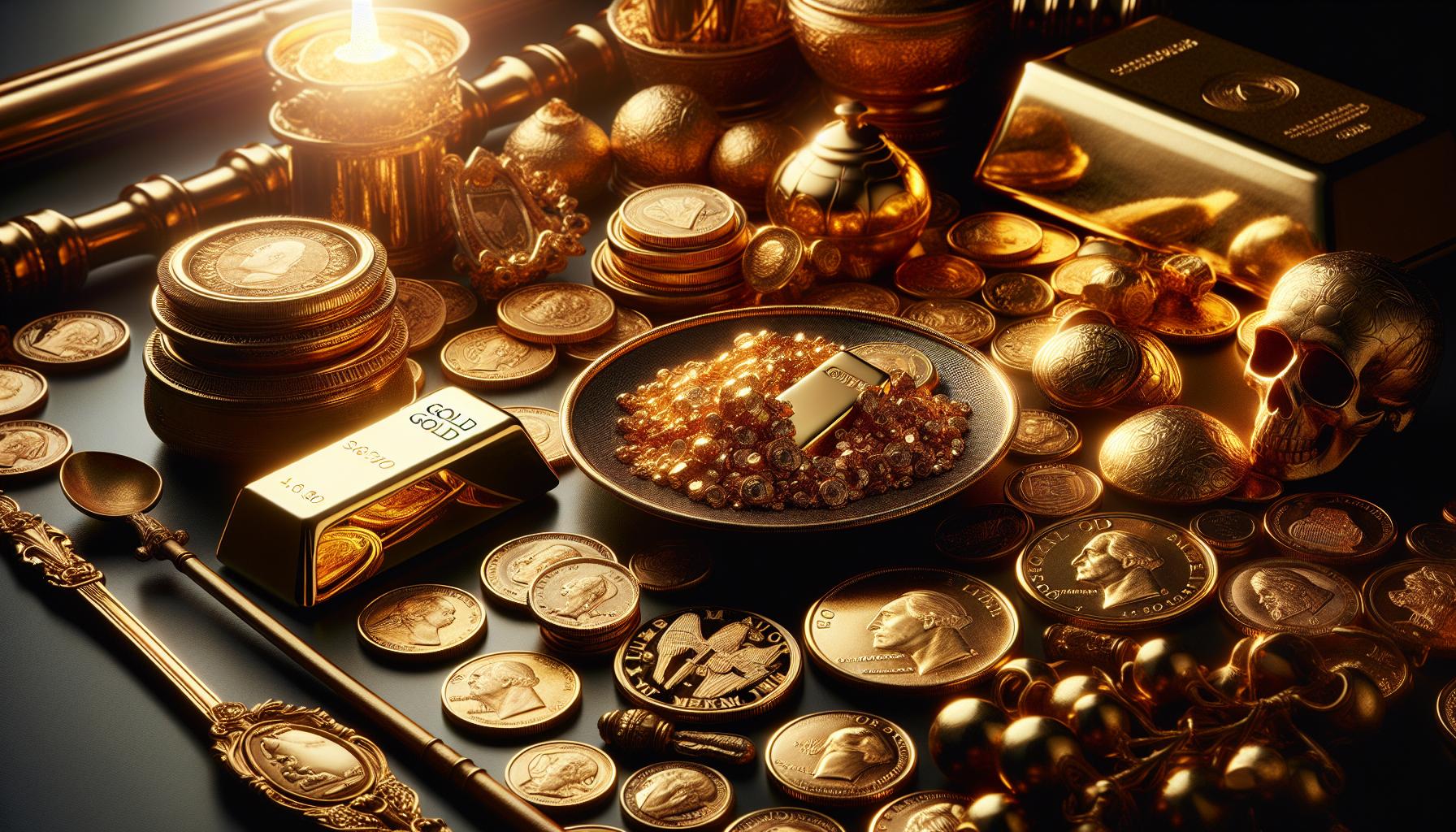
Gold as an Investment: Understanding Market Trends and Behaviors
Investors often seek stability in times of economic uncertainty,and this is one of the primary reasons why gold has become a preferred asset class.The allure of gold is deeply rooted in its historical significance and tangible value, which provides a hedge against inflation and currency fluctuations. Understanding the intricate market trends and behaviors surrounding gold can definitely help you make informed investment decisions and capitalize on its ongoing fascination highlighted in the exploration of its timeless appeal.
Market Trends Impacting Gold Investment
Several market trends drive the price of gold and influence investors’ decisions. Here are some key factors to consider:
- Economic Indicators: Interest rates, inflation rates, and overall economic growth can significantly impact gold prices. For example, when inflation rises, investors often flock to gold to preserve purchasing power.
- Geopolitical Stability: Political tensions or crises can lead to increased demand for gold, as it is often viewed as a ‘safe haven’ during turbulent times.
- Currency Fluctuations: As the value of the U.S. dollar declines,gold prices typically rise,as gold is priced in dollars. Traders closely monitor currency trends to gauge potential movements in the gold market.
- Supply and demand: The balance of gold mining output against demand for jewelry, investments, and industrial uses can create fluctuations in price.
Behavioral Patterns of Gold Investors
The psychology surrounding gold investment is fascinating. Investors tend to react differently to market signals compared to other asset classes, influenced by both emotional and rational factors. Here are some common behaviors observed among gold investors:
- Fear-driven buying: Economic crises and market volatility frequently enough trigger a rush to gold, with investors seeking safety over potential returns.
- Long-term holding: Many view gold not just as a commodity, but as a long-term security for wealth preservation, frequently enough holding onto their investments through various market cycles.
- Speculative trading: Some investors engage in short-term trading, capitalizing on price fluctuations brought about by market news or economic reports.
| Year | Gold Price (USD/oz) | Economic Influences |
|---|---|---|
| 2020 | $1,900 | COVID-19 Pandemic, Global Economic Slowdown |
| 2021 | $1,800 | Recovery Hopes, Inflation Concerns |
| 2022 | $1,740 | Rising Interest Rates, Strong U.S. Dollar |
| 2023 | $2,050 | Geopolitical Strains, Inflationary Pressures |
By monitoring these trends and behaviors, investors can position themselves strategically in the gold market. Whether adding gold to a diversified portfolio or considering it as a primary investment, understanding the science behind its timeless appeal can provide valuable insights into its role within the global economic landscape.
The Psychological Appeal: Why We are Drawn to Gold
Throughout history, gold has been more than just a precious metal; it has served as a symbol of wealth, power, and beauty. The allure of gold transcends mere economic value, deeply intertwining itself with our psychological and cultural identities.From ancient civilizations that adorned their leaders with magnificent gold artifacts to modern investors flocking to gold as a safe haven during economic turmoil, the fascination with gold is both profound and complex.
one critical aspect of this psychological appeal lies in the universal perception of rarity and value. Gold is not just rare; it is indeed limited in production and tough to mine, which makes it synonymous with high status. This creates a compelling association in the human psyche—items deemed scarce are often more desirable. When we see or hold gold,we’re naturally drawn to it due to an instinctual grasp of its worth,both intrinsic and extrinsic.
Additionally, gold has an enchanting visual appeal that captivates our senses. Its bright luster and malleability allow craftsmen to create intricate designs that tell stories and embody cultural significance. The vivid color of gold stands out in a world often dominated by duller shades, enhancing its allure. Exhibitions featuring gold artifacts often draw large crowds, illustrating how we are pulled toward its shimmering beauty.
Emotional Associations with Gold
gold’s psychological appeal extends further into the realm of emotions. It symbolizes achievement, tradition, and even love, as evidenced by the long-standing custom of giving gold wedding rings. People often associate gold with pivotal life events, such as milestones, inheritances, and celebrations. The emotional weight carried by gold makes it not merely a commodity but a treasure trove of memories.
The following factors contribute to our enduring fascination with gold:
- Historical Significance: Gold has been used as currency, in religious artifacts, and as a medium of exchange for millennia.
- cultural Representation: Many cultures revere gold as a symbol of purity and divine favor, further ingraining its importance in societal norms.
- Psychological Safety: In uncertain times, gold is frequently enough perceived as a stable investment, enhancing its allure as a protective asset.
- Desire for status: The ownership of gold can elevate social standing, making it a coveted possession.
Understanding why gold continues to fascinate allows us to appreciate not only its physical properties but also the profound psychological influences it exerts on human behavior. For anyone looking to deepen their connection with this timeless metal, consider engaging with it not just as an investment but also as a symbol of personal achievement and cultural heritage.
Sustainability concerns: The Ethics of Gold Mining Today
Gold’s enduring allure extends beyond its shimmering beauty and value as a currency; it raises profound questions about ethical mining practices and sustainability in today’s world.The landscape of gold mining is increasingly scrutinized not just for its economic implications,but also for its environmental and social impacts. As the industry faces growing pressure to adopt responsible mining methods, understanding the ethical dimensions becomes crucial.
Environmental Impact of Gold Mining
Gold mining activities can severely disrupt ecosystems, consuming vast amounts of water and energy while contributing to pollution and deforestation. The use of toxic chemicals, such as cyanide and mercury, in the extraction process leads to hazardous waste that can contaminate local water supplies, endangering wildlife and communities alike. To put this in perspective, the following table illustrates some of the environmental challenges associated with gold mining:
| Impact | Description |
|---|---|
| Water Contamination | Runoff from mining sites can introduce harmful chemicals into nearby water bodies. |
| Deforestation | Large areas of forest are often cleared to make way for mines, affecting biodiversity. |
| Soil Degradation | Excavation and chemical use can lead to erosion and loss of arable land. |
Social Dimensions: Impact on Communities
In addition to environmental degradation, gold mining has significant social implications. Many mining operations are located in impoverished areas, which can create a complex dynamic of exploitation versus opportunity. While the promise of jobs and infrastructure growth is appealing, it often comes at the cost of local communities’ rights and health. Issues such as displacement, conflict over land use, and labor exploitation are prevalent, raising ethical dilemmas that challenge the industry’s reputation.
- Community Displacement: Indigenous and local populations frequently find themselves forced to relocate due to mining activities, disrupting their livelihoods and culture.
- Labor Rights: In some regions, miners work in hazardous conditions with inadequate compensation, highlighting a need for ethical labor practices.
- Investment in Local Development: Enduring mining practices must prioritize investments in local communities, ensuring they benefit from the resources extracted from their land.
Steps Towards Ethical Gold Mining
As awareness of the ethical crises in gold mining grows, several organizations and initiatives have emerged to promote responsible sourcing. One pragmatic approach is the implementation of the Responsible Gold Mining Principles which emphasize the importance of sustainable and ethical practices in the sector. Principles include:
- environmental Stewardship: Commit to minimizing impacts on the environment.
- Respect for Human Rights: Engage with local communities and uphold their rights.
- Openness: Disclose mining operations’ social and environmental impacts.
Engagement in certifications like Fairmined and Fair Trade Gold can guide consumers towards ethically-sourced gold, directly impacting the industry’s practices. Consequently, the commitment to sustainability not only preserves the planet but also enhances the social fabric of communities engaged in gold mining.
As gold continues to captivate with its timeless appeal, it compels us to confront the ethical responsibilities that come with its extraction. Balancing the allure of gold with sustainable practices is not just a challenge but an opportunity to redefine how we value this precious metal in the modern world.
Jewelry trends: How Gold Remains a Fashion Staple
Gold has captivated human imagination for centuries, and its allure is evident in the ever-evolving realm of jewelry trends. The versatility of gold, alongside its inherent beauty and cultural significance, ensures it remains a staple in fashion. From timeless pieces that have adorned royalty to contemporary designs that resonate with modern sensibilities, gold jewelry continues to be a popular choice among fashion enthusiasts and casual wearers alike.
current Trends Highlighting Gold’s Dominance
In the world of jewelry, gold is more than just a precious metal; it is a style statement that can elevate any outfit. Some key trends that emphasize gold’s significance include:
- Layering: Stacking gold bracelets and necklaces has become a favorite styling technique. This trend allows individuals to showcase unique pieces and personal stories through curated collections of jewelry.
- Geometric Shapes: Contemporary designs often incorporate clean lines and geometric shapes, giving gold jewelry a modern twist.These designs appeal to minimalists and add sophistication to any look.
- Mixing Metals: While gold undoubtedly shines on its own, pairing it with silver or rose gold has emerged as a popular trend. this blend creates a dynamic look that resonates with diverse fashion preferences.
- personalization: Customized gold jewelry, such as name necklaces or engraved rings, allows for self-expression. This trend emphasizes individual stories and connections to special memories.
Why Gold Jewelry Stands Out
Gold’s unique qualities contribute to its enduring appeal in the jewelry market. Here’s how:
Durability: Despite being a softer metal, gold’s resistance to tarnish means that pieces retain their beauty over time. This longevity makes gold an ideal choice for both everyday wear and significant life moments.
Investment Value: Beyond its aesthetic allure, gold has intrinsic value. In an era where financial security is paramount, investing in gold jewelry can serve as a hedge against inflation and market uncertainties.
Table: Comparison of Gold vs. Other Metals
| Property | Gold | Silver | Platinum |
|---|---|---|---|
| Durability | Very High | High | Very High |
| Tarnish Resistance | Excellent | Poor | Fair |
| Price stability | High | Medium | High |
| Alloy Versatility | High | Medium | Medium |
As the latest trends demonstrate, gold jewelry is as relevant today as it has ever been, adapting to modern fashion while remaining rooted in tradition. By understanding the science behind its timeless charm, consumers can appreciate why gold continues to fascinate and serves as a quintessential element in the world of style. Whether selecting an investment piece or an elegant accessory to elevate an outfit, gold remains unmatched in its ability to blend beauty, meaning, and value.
The Role of Gold in Economic Systems: A Global Overview
The allure of gold transcends geographical boundaries and historical epochs, firmly establishing it as a perennial fixture in economic systems worldwide. Its dual role as both a precious metal and a financial asset has made it a reliable cornerstone for economies,shaping not just individual fortunes but entire nations’ monetary policies.From ancient trade practices to modern investment portfolios, the influence of gold is undeniably vast.
Gold as a Standard: A Historical Perspective
Throughout history, many cultures have pegged their currencies to gold, creating a foundation for the global economy known as the gold standard. This system, which flourished until the early 20th century, saw countries maintain their currency’s value by tying it to a specified amount of gold.The evolution from this standard into today’s fiat currencies has not diminished gold’s significance; instead, it has positioned gold as a hedge against inflation and economic uncertainty. Countries like the United States and members of the European Union often look to gold reserves to bolster confidence in their financial systems.
- Store of Value: Individuals and nations alike view gold as a protector of wealth during financial crises.
- Inflation Hedge: Gold frequently enough retains value when currency values decline, proving to be a reliable investment.
- Global Demand: Industrial and decorative uses maintain a steady demand for gold, adding to its economic relevance.
current Trends in Gold Investment
The modern landscape evidences a renewed interest in gold, spurred by global economic fluctuations, geopolitical tensions, and the quest for diversification in investment portfolios. Investors recognize gold’s potential to provide stability,leading to its integration in various financial instruments such as Exchange-Traded Funds (ETFs).These instruments provide easier access to gold, allowing investors to participate in the gold market without the logistical concerns associated with physical ownership.
A snapshot of current economic factors influencing gold investment can be seen in the following table:
| Factor | Influence on Gold |
|---|---|
| Inflation Rates | High inflation leads to increased demand for gold as a safe haven. |
| Geopolitical Uncertainty | In times of conflict or uncertainty, investors flock to gold. |
| Central Bank Policies | Gold purchases by central banks signal confidence,impacting market trends. |
In addition to being a traditional investment, gold has integrated into modern financial technology with innovations such as digital gold platforms and cryptocurrency-backed gold investments. This evolution illustrates not only gold’s versatility but also its persistent relevance in today’s fast-paced economic environment, proving once more why gold continues to fascinate: science behind its timeless appeal lies in its unique position within economic systems and the complex interplay of factors that influence its value.
Investing in Gold: Practical Tips for Serious Buyers
The allure of gold has transcended generations, beckoning investors with its unique combination of beauty, rarity, and lasting value. History tells us that gold has been a symbol of wealth and security for thousands of years. Understanding the essential reasons why it continues to fascinate can provide serious buyers with a framework for effective investing.Here are some practical tips for those looking to navigate the intriguing world of gold investment.
Understand Your Goals
Before venturing into gold investment, it’s crucial to define what you aim to achieve. Are you looking to protect your wealth against inflation, diversify your investment portfolio, or simply indulge in a passion for precious metals? Clarifying your objectives will guide your decisions and help you tailor your strategy.
Research Different Forms of Gold
Gold comes in several forms, each with its own benefits and drawbacks. Here are the common avenues for investment:
- Physical Gold: includes coins, bars, and jewelry. Physical gold can provide peace of mind but requires secure storage and insurance.
- gold ETFs: Exchange-traded funds (ETFs) offer a way to invest in gold without the need to store it. This method provides liquidity and ease of trading.
- Mining Stocks: Investing in companies that mine gold can yield high returns,but it’s essential to assess the risks associated with the mining sector.
- Gold Futures and Options: These contracts allow you to speculate on future gold prices but require a deep understanding of market trends and timing.
Each option suits different risk tolerances and investment goals,so it’s wise to explore all avenues thoroughly.
Stay Informed on Market Dynamics
The price of gold is influenced by a variety of economic factors, including interest rates, currency strength, and geopolitical stability. To make informed decisions, keep an eye on the following indicators:
| Indicator | Impact on Gold Prices |
|---|---|
| Inflation Rates | Higher inflation frequently enough drives gold prices up as investors seek safe assets. |
| U.S. Dollar Strength | A weaker dollar typically makes gold cheaper for buyers overseas, boosting demand and prices. |
| Interest Rates | Low or decreasing interest rates usually support higher gold prices as opportunity costs for holding gold decrease. |
| Geopolitical Events | uncertainty from geopolitical tensions can lead to increased demand for gold as a safe-haven asset. |
By understanding these dynamics, you can better anticipate market shifts, positioning yourself to capitalize on favorable conditions.
Consider the Long-Term Perspective
Lastly,approach your gold investment with a long-term mindset. While gold can be volatile short-term, its history shows that it often retains value over decades. Investors should resist the temptation to react impulsively to market fluctuations. Instead, consider dollar-cost averaging, where you invest a fixed amount in gold at regular intervals, reducing the impact of volatility and fostering a disciplined investing habit.
With these strategies in mind, serious buyers can navigate the often complex world of gold investment effectively, ensuring that their choices align with the timeless appeal of this precious metal highlighted in the continuous fascination of gold’s intrinsic qualities.
Frequently asked questions
What is the science behind why gold continues to fascinate?
The science behind why gold continues to fascinate lies in its unique physical and chemical properties, combined with its historical significance and cultural value. Gold is chemically inert, meaning it does not corrode or tarnish, which enhances its appeal over time.
Gold’s rarity, combined with its lustrous appearance, has made it a symbol of wealth and prestige throughout history. As an inevitable result, it plays a significant role in industries ranging from finance to jewelry. To explore more on how gold is perceived in various cultures, visit our thorough article on gold’s cultural significance.
Why does gold maintain its value over time?
Gold maintains its value due to its limited supply and ongoing demand across various sectors, including investment, technology, and jewelry. Its historical role as a financial safe-haven reinforces its status.
Throughout economic uncertainty, gold tends to act as a hedge against inflation and currency devaluation. This characteristic makes it a favored choice for investors seeking stability. Many consider adding gold to their portfolios as a strategy for long-term financial security.
Can I invest in gold, and how should I start?
Yes, you can invest in gold through various avenues, such as physical gold (jewelry, coins, bars), gold ETFs, or mining stocks. to start, assess your financial goals and risk tolerance.
Consider diversifying your investments with gold to mitigate risk. Researching market trends and understanding the types of gold investments available can significantly aid in your decision-making process. for a step-by-step guide on investing in gold, check our detailed article on investing in gold.
What are the cultural significances associated with gold?
Gold holds profound cultural significance across various societies, frequently enough symbolizing wealth, power, and purity. It is frequently used in religious artifacts and royal regalia.
This cultural respect and reverence can be traced back to ancient civilizations, like the Egyptians, who buried treasures with their pharaohs. Such traditions continue today, reflecting how gold remains a cherished material in numerous cultural practices. For further insights, explore our article on the history and culture of gold.
How does gold compare to other precious metals?
Gold is often compared to other precious metals such as silver and platinum, primarily in terms of value stability and market demand. Gold consistently ranks high in regard to both investment and jewelry.
While silver is more abundant and generally cheaper, gold remains preferred for long-term investment due to its lower volatility. Platinum, though rarer, has fluctuating demands in industrial applications which can affect its investment status. Understanding these differences can help inform your investment decisions.
Why is gold frequently enough considered a safe haven investment?
Gold is considered a safe haven investment due to its historical stability during economic downturns. Investors flock to gold to protect their assets against inflation and market volatility.
This safe-haven status is reflected in market trends, where the price of gold often rises during periods of instability. by diversifying with gold,investors can hedge against risks in other areas of their portfolio. To learn more about effective investment strategies, read our article on investment strategies.
How can I sell my gold for the best price?
To sell your gold for the best price, research current market values and select reputable buyers, including jewelers or online platforms. always compare offers.
Readiness is key; ensure your items are clean and verified for quality. Additionally, having documentation about your gold can enhance its perceived value. For a comprehensive selling guide, explore our article on selling gold tips.
In Summary
gold’s enduring allure transcends mere aesthetics and value; it embodies a complex interplay of historical significance, scientific properties, and emotional resonance that captivates people across cultures and generations. From its unparalleled resistance to tarnish which ensures longevity, to its unique ability to conduct heat and electricity, the qualities of gold are as compelling as its storied past. As you explore your own relationship with this precious metal—be it through investment, jewelry, or cultural gratitude—consider the multifaceted role gold plays in our lives. Delve deeper into its fascinating science and history, and discover how it continues to be a touchstone of wealth and beauty. we invite you to engage with our resources further, as your journey with gold promises to be as rich and rewarding as the metal itself.Your insights and queries are welcome, ensuring a community where knowledge about this timeless element thrives.


