Is the iconic bridge painted in gold? Many people wonder about the materials that make up the Golden Gate Bridge, and whether it’s truly adorned with real gold. Understanding its unique construction not only quenches curiosity but also highlights the engineering marvel’s ancient meaning and cultural impact. Let’s explore the engaging facts surrounding this beloved landmark.
The Truth Behind the Name: Is the Golden Gate Bridge Really Made of Gold?

The iconic Golden Gate Bridge,with its striking International orange hue,stands as a testament to engineering prowess and artistic vision. Many people wonder about the mystery behind its name, speculating if the bridge’s construction incorporates actual gold.However, this assumption couldn’t be further from reality. Understanding the truth not only enriches your thankfulness for this monumental structure but also clarifies some fascinating facts regarding its design and history.
First and foremost, the Golden Gate Bridge is constructed from steel, not gold. The bridge’s steel frame is coated with a special type of paint intended to protect it from the elements. Known as “International Orange,” this vibrant color was carefully selected to enhance visibility in san Francisco’s notorious fog. Hear’s a breakdown of the materials used in the construction of this engineering marvel:
Key Construction Elements
| Material | Purpose |
|---|---|
| Steel | Main structural component and support |
| Concrete | Support for towers and anchorage |
| Paint (International Orange) | protection against weather and increased visibility |
While the golden hues of the sun setting behind the bridge might evoke imagery of opulence, the real treasure lies in its historical significance and engineering marvels. The construction of the Golden Gate Bridge began in 1933 during the Great Depression, employing thousands of people and symbolizing hope and resilience. Moreover, the bridge stretches an impressive 1.7 miles across the Golden Gate Strait, linking San Francisco to Marin County, and remains one of the moast photographed bridges in the world.
while the name might spark thoughts of luxury and grandeur, the reality is that the Golden Gate Bridge is a feat of traditional materials and modern engineering, embodying much more than a mere myth about gold.Understanding these facts gives visitors and locals alike a deeper connection to this San Francisco landmark and underlines the incredible human ingenuity that went into its creation.
A Closer Look at the Materials Used in the Golden Gate Bridge
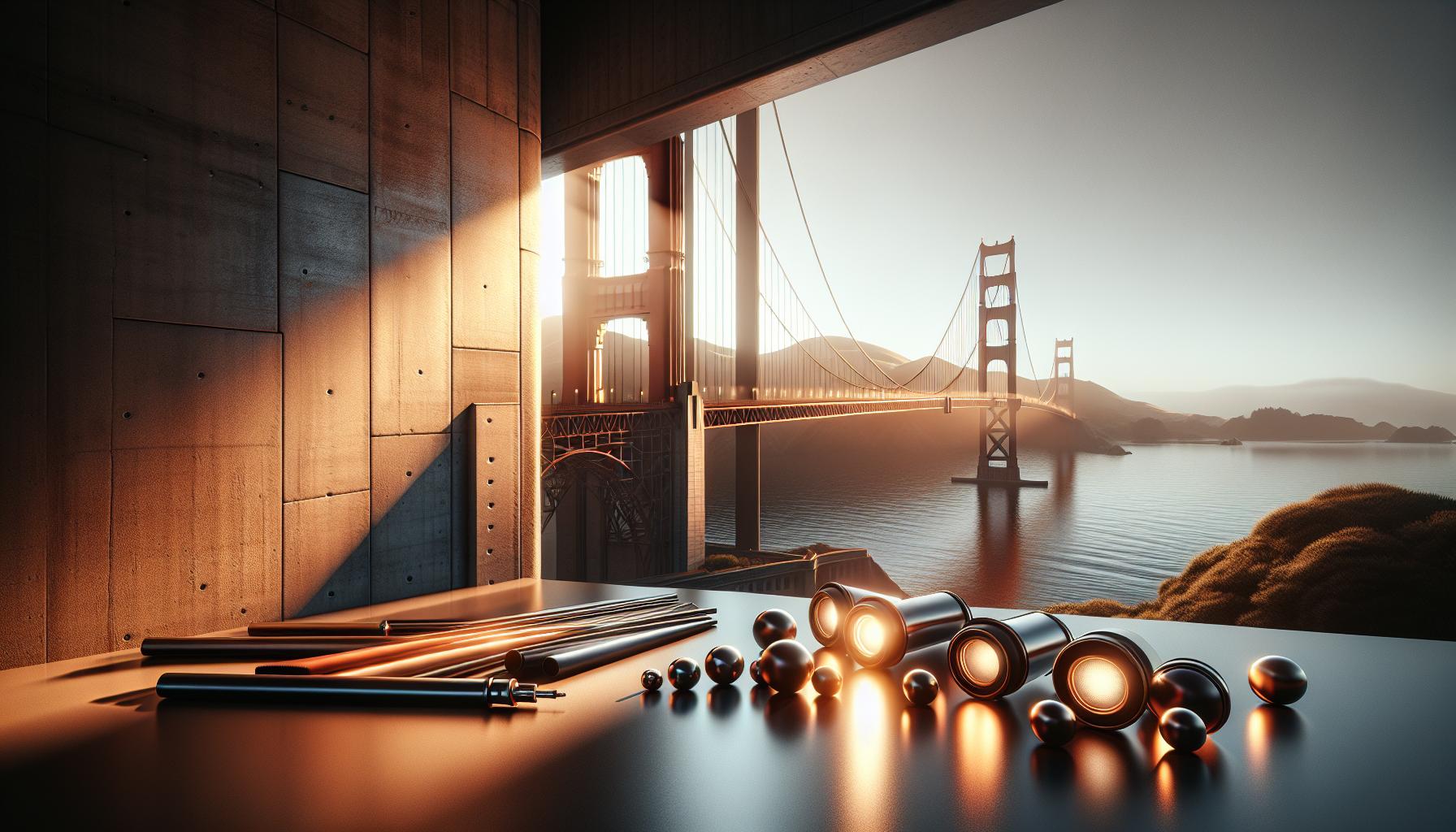
The awe-inspiring Golden Gate Bridge, an iconic symbol of San Francisco, is not made of gold, despite its name suggesting otherwise. Constructed with meticulously chosen materials, this engineering marvel stands as a testament to both functionality and aesthetics. The bridge’s vibrant International Orange color is designed not only to complement the surrounding scenery,but also to enhance visibility in the often foggy conditions of the San Francisco Bay. Let’s delve deeper into the specific materials that make up this magnificent structure.
Steel: The Backbone of the Bridge
At the core of the Golden Gate Bridge’s impressive architecture lies steel, particularly in the form of high-strength structural steel, which provides the necessary strength and durability.The bridge comprises around 27,000 tons of steel,sourced from various suppliers,yet standardized for quality and performance. the use of steel allows the bridge to withstand both the considerable weight of vehicular traffic as well as the persistent winds that sweep across the bay.
Concrete: A Solid Foundation
Another critical material is concrete, which forms the massive anchorages that secure the bridge’s cables.
| Component | Material | Quantity |
|---|---|---|
| Anchorages | Concrete | Approximately 200,000 cubic feet |
| Deck | Reinforced Concrete | Approximately 8,900 cubic yards |
Concrete not only provides a solid foundation but also contributes to the bridge’s resilience against seismic activity, an essential consideration given the geographical location.
Paint: More Than Just Aesthetic
Lastly, the vibrant paint that adorns the bridge serves a dual purpose. While it adds to the visual allure of the Golden Gate Bridge, it also functions to protect the steel from corrosion. The paint used is specially formulated with a mixture of pigments and compounds to withstand the elements, ensuring longevity. This layered protective system is vital for maintaining the structural integrity of the bridge over time, given its exposure to saltwater and varied weather conditions.
while the Golden Gate Bridge may not be composed of real gold, its construction relies on expertly chosen materials like steel, concrete, and intelligent paint solutions. Each element plays a crucial role in maintaining not only the bridge’s functionality but also its status as one of the most photographed structures in the world. Understanding what the Golden Gate Bridge is truly made of deepens our appreciation for this remarkable feat of engineering.
The Fascinating History of the Golden Gate Bridge: Engineering marvel or Gold mine?
When you stand before the Golden Gate Bridge, you might think of it simply as an iconic landmark, but its construction tells a story of ambition, innovation, and an audacious quest to conquer nature.Completed in 1937, this engineering masterpiece was not without its challenges. The question “Is Golden Gate made of real gold?” is often posed, perhaps highlighting just how astounding the bridge’s appeal is; however, the real treasure lies in its fascinating history and the ingenuity that crafted it.
Origins and Conceptualization
The idea for the Golden Gate Bridge originated in the 1800s, a time characterized by burgeoning industrialism and the belief that man could harness nature. At that time, the Golden Gate Strait presented meaningful challenges for transportation between San Francisco and Marin County. Visionaries such as engineer Joseph Strauss and architect Irving Morrow began to push the boundaries of design and engineering.their ambition was realized through the application of groundbreaking techniques and materials, notably the use of steel cables that would support the tremendous weight of the bridge.
Construction Beginnings
The construction of the bridge was no small feat. Commencing in 1933 during the Great Depression,the project provided much-needed jobs and economic stimulation for thousands. The team faced potential disasters, including harsh weather and challenging tides, but the meticulous planning and the resilience of the workers ensured steady progress.
Some noteworthy facts about the construction include:
- Span Length: 1,280 feet – a record at the time of its completion.
- Height: the towers rise 746 feet above the water.
- Color: The bridge’s “International Orange” was chosen for its visibility in san Francisco’s frequent fog.
Despite the challenges, the collective effort paid off spectacularly when the bridge officially opened on May 27, 1937. It instantly became a symbol of American progress and ingenuity, cementing its status as a beloved landmark.
| Key Features | Details |
|---|---|
| length | 1.7 miles (2.7 km) |
| Materials Used | Steel, concrete |
| Annual Visitors | Approximately 10 million |
Today, as tourists and residents alike walk across its spans, the Golden Gate Bridge stands not only as a gateway to the Bay but also as a testament to the enduring spirit of innovation. This blend of art and engineering encapsulates conversations around whether “is Golden Gate made of real gold,” as its true value lies in the narrative of resilience and creativity it embodies.
Gold in Architecture: The Symbolism and Significance Behind the Golden Gate
the iconic Golden Gate Bridge,while not made of actual gold,embodies a wealth of symbolism and significance that resonates deeply with both locals and visitors alike. The use of its striking International Orange color invokes thoughts of warmth and optimism, effectively creating a beacon that attracts onlookers to its majestic form. The bridge, completed in 1937, represents a triumph of engineering and artistry, standing as an emblem of San Francisco itself—a city that thrives on innovation, resilience, and beauty.
Symbolism of the Golden Color
although the bridge is not coated in gold, the importance of its color cannot be overstated. Gold is often associated with wealth, prosperity, and prestige, and in the context of the Golden Gate, it acts as a metaphor for San Francisco’s vibrant culture and economic significance. this enchanting hue not only enhances visibility in the notoriously dense fog of the Bay Area but also symbolizes the idea of connection—the link between the city and surrounding regions.
- Resilience: The Golden Gate Bridge overcame significant engineering challenges, symbolizing perseverance and human achievement.
- Unity: It serves as a literal and figurative bridge between people and communities, fostering a sense of belonging and togetherness.
- Inspiration: Its stunning architectural design inspires countless artists, photographers, and creatives, reinforcing its cultural significance.
Architectural Marvel
The architectural significance of the Golden Gate Bridge extends far beyond its aesthetic appeal. The bridge showcases several engineering innovations that were groundbreaking at the time of its construction. Highlights include:
| Feature | Description |
|---|---|
| Suspension Design | Utilizes cables that support the roadway, allowing for longer spans than traditional bridge designs. |
| Art Deco Style | The design reflects the Art Deco movement, noted for its geometric ornamentation and streamlined style. |
| Color Choice | The International Orange color was selected for visibility in fog, while also setting a distinctive aesthetic tone. |
Each of these elements contributes to the bridge’s iconic status, making it a vital part of architectural history. The Golden Gate Bridge not only connects Marin County to San Francisco but also serves as a testament to human ingenuity and the relentless pursuit of innovation, cementing its place as one of the world’s most recognizable landmarks. Through the lens of architectural excellence and cultural symbolism, the bridge has transformed from an engineering challenge into an emblem of hope and progress, capturing the imaginations of people from around the world.
How the Golden Gate Bridge Became an Icon of San Francisco
The Golden Gate Bridge stands as a monumental testament to engineering prowess and artistic vision, drawing millions of visitors each year to its stunning vistas. recognized for its vibrant International Orange color and Art Deco design, the bridge does not just connect San francisco to Marin County; it has transcended its physical function, becoming a symbol of both the city and the spirit of exploration. The question “Is Golden Gate Made of Real Gold? Fascinating bridge Facts revealed” catches the curiosity of many, but the bridge’s allure lies much deeper than any misconception about its construction materials.
A Visionary Project
Construction of the Golden Gate Bridge began in 1933, during the heart of the Great Depression.Despite skepticism from many quarters about whether a bridge could be built across the notoriously challenging Golden Gate strait, chief engineer Joseph Strauss’s visionary design combined with innovative approaches turned what seemed to be an unachievable task into reality.The project faced significant challenges, including strong currents and high winds, but it flourished thanks to groundbreaking techniques and the expertise of skilled workers.
Some fascinating facts about its construction include:
- Length: The Golden Gate Bridge spans approximately 1.7 miles (2.7 kilometers).
- Height: Its towers reach a staggering height of 746 feet above the water.
- Suspension: The main cables are composed of 27,572 strands of wire, demonstrating immense tensile strength.
A Cultural icon
Over the decades, the bridge has been embraced as an emblem of progress and innovation, even catching the eye of the film and art industries. It has featured prominently in countless movies, television shows, and photographs, cementing its status as a global icon.Artistic expressions about the bridge, from folk songs to digital art, further enhance its cultural resonance, making it a magnet for creativity.
The Golden Gate Bridge exemplifies more than just infrastructural achievement; it symbolizes resilience and human ambition. It continues to inspire people to dream and achieve the seemingly unattainable, reflected in the numerous tourist journeys across its span, where many ponder the question, “Is Golden Gate Made of Real Gold? Fascinating Bridge Facts Revealed.”
Visitor Experience
For those wishing to explore more than just the aesthetic and historical significance, numerous activities around the bridge can elevate your experience:
- Walking and Biking: Visitors can traverse across the pedestrian walkway for breathtaking views.
- Photography: The golden sunrise or sunset provides an enchanting backdrop for photos.
- Visitor Center: Offers rich historical context and engaging exhibits, perfect for those curious about the bridge’s construction and significance.
As one of the most photographed structures in the world, the Golden Gate Bridge invites you to explore and discover the countless tales that define its legacy. Whether you seek to delve into its history,appreciate its architecture,or just enjoy its majestic presence,this bridge undoubtedly stands the test of time as an indelible San Francisco landmark.
Environmental and Economic Impact of the Golden Gate Bridge
One of the most iconic landmarks in the United States, the Golden Gate Bridge not only stands out for its breathtaking aesthetics but also for its significant environmental and economic influence. Spanning 1.7 miles across the Golden Gate strait,this engineering marvel is pivotal to the connectivity of San Francisco and Marin County,making it much more than just a pretty sight.
Environmental Impact
The presence of the Golden Gate Bridge has transformed the ecological landscape of the area. While the construction initially disrupted local ecosystems, the long-term effects have been complex. The bridge facilitates transportation and commerce,leading to a reduction in travel times and vehicle emissions for commuters from nearby regions. This shift can lessen urban sprawl, as people are more inclined to use public transportation options or carpool when accessing San Francisco.
- Wildlife Protection: Continuous efforts have been made to ensure that construction and maintenance activities do not disturb local wildlife, particularly during migratory seasons.
- Green Initiatives: the Golden Gate Bridge district also emphasizes sustainable practices, including the use of renewable energy sources in its operational activities.
- Public Education: The site hosts various programs aimed at educating visitors about local ecosystems and conservation efforts.
Economic Impact
The economic ramifications of the Golden Gate Bridge extend far beyond just tourism; they encompass transportation efficiency, job creation, and regional growth. The bridge attracts millions of visitors each year, contributing significantly to the local economy.
| Contribution to Local Economy | Estimated Annual Value |
|---|---|
| Tourism Revenue | $100 million+ |
| Transportation Cost Savings | $50 million+ |
| Job Creation | Thousands (Direct & Indirect) |
The bridge is a vital artery for daily commuters, reducing travel time and encouraging economic exchange, which bolsters local businesses. Infrastructure improvements linked to the bridge have also spurred additional projects in the vicinity, which in turn leads to increased job opportunities.In essence, the Golden Gate Bridge is not merely a structural feat; it serves as a crucial component of the environmental and economic frameworks in its region. Whether addressing sustainability issues or propelling economic activity, the bridge continues to make an indelible mark, proving that this monumental construction does far more than just connect two points.
Fun Facts You Didn’t Know About the Golden gate Bridge
did you know that the iconic color of the Golden Gate Bridge wasn’t an accidental choice? The vivid International Orange hue was selected specifically to enhance visibility in San Francisco’s often foggy weather. This vibrant color not only makes the bridge stand out against the natural landscape but also serves an essential practical purpose. The bridge’s aesthetic appeal and functionality are harmoniously intertwined, exemplifying the architectural ingenuity of the time.
Stunning Engineering Facts
The Golden Gate Bridge, completed in 1937, was a monumental engineering achievement of its era. Spanning approximately 1.7 miles, it was the longest and tallest suspension bridge in the world at the time of its completion. Here are some intriguing details about its design and construction:
- Steel used: The bridge is made from approximately 80,000 tons of steel.
- Cable diameter: The main cables have a diameter of 36.5 inches, which is equivalent to the thickness of nearly three basketballs stacked together.
- Foundation Depth: The foundations of the towers are set deep into the ground, with one of them resting on bedrock over 100 feet below the surface.
Cultural Impact and Recognition
The bridge is not just a transportation marvel; it has also become a symbol of San Francisco and an integral part of American culture. Millions of visitors flock to it each year, capturing stunning photographs that frequently enough go viral, showcasing its beauty against the backdrop of the Pacific Ocean and the city skyline. Interestingly, it has appeared in numerous films, TV shows, and artworks, cementing its status as an icon worldwide.
| Year | Event |
|---|---|
| 1937 | Completion of construction |
| 1987 | Designated a National Historic Landmark |
| 2012 | Celebrated 75 years of operation |
Whether you’re an engineering enthusiast or a casual visitor, the Golden Gate Bridge offers more than just a route across the water; it presents a blend of history, art, and innovative engineering. The intersection of its practical functions and its breathtaking presence continues to inspire awe and admiration, proving that it is indeed so much more than simply a bridge.
Preserving History: maintenance and Restoration of the golden Gate Bridge
The iconic Golden Gate Bridge, often associated with whispers of gold due to its shimmering international Orange hue, stands as a monument not just to engineering prowess but also to vigilant upkeep and restorative efforts. Built in the 1930s,this splendid structure is a testament to the marriage of aesthetic beauty and practical functionality,necessitating regular maintenance to combat the relentless power of Mother Nature. With salty ocean air, fog, and seismic activity playing significant roles in its deterioration, the preservation of this landmark is an ongoing journey requiring specialized skills and techniques.
Maintenance operations of the Golden Gate Bridge involve a complete approach, ensuring that both safety and heritage are upheld. Every year, the team responsible for its care undertakes extensive inspections to monitor the condition of the bridge’s steel and structural components. Among the critical tasks involved are:
- Structural Inspections: Detailed assessments of the bridge’s cables and beams to identify any wear or corrosion.
- painting and Corrosion Control: Regular repainting using high-performance paints designed to withstand the harsh marine habitat, protecting the steel beneath.
- seismic Upgrades: Enhancements to the bridge’s infrastructure aimed at improving resilience against an earthquake,ensuring safety for all who traverse it.
Restoration Techniques:
Restoration involves meticulous research and execution. The team often utilizes methods that respect the original design while adapting modern technology for longevity and sustainability. Examples of these efforts include:
- sandblasting and Surface Planning: Removing layers of old paint and rust to prepare the bridge for a new protective coat.
- Reinforcing Structures: Incorporating advanced materials and engineering techniques to bolster original structures while maintaining historical integrity.
Investment in the Future:
Preservation is not merely about maintaining an historical artifact; it also includes ensuring that it remains a vital part of modern life. The bridge not only serves millions of commuters but also attracts tourists worldwide, making continuous investment essential. The Golden Gate Bridge Highway and Transportation District allocates significant funding for these maintenance and restoration projects, reflecting a commitment to keeping the bridge safe, beautiful, and operational for generations to come.
the Golden Gate Bridge is a marvel that requires diligent care and restoration efforts to withstand the test of time and the elements. Regular assessments and robust maintenance practices are crucial in ensuring this engineering wonder continues to captivate the hearts and minds of visitors from around the globe, further fueling the captivation around questions like “Is Golden Gate made of real gold?” Each restoration project adds another layer to the rich tapestry of its history, bridging the past with the future.
Faq
Is Golden Gate Made of Real Gold?
No, the Golden Gate Bridge is not made of real gold. It is painted in a color known as “International Orange” and constructed primarily from steel, concrete, and aluminum. The use of these materials contributes to its iconic appearance and structural integrity.
While the name might suggest a link to gold,the Golden Gate Bridge’s beauty lies in its architectural design,not precious metals. The bridge spans approximately 1.7 miles and offers striking views of the San Francisco Bay. For more about the bridge’s history and construction, visit our article on Golden Gate Bridge History.
What are some fascinating facts about the Golden Gate Bridge?
Several fascinating facts highlight the significance of the Golden Gate Bridge. For example, it was completed in 1937 and was the longest and tallest suspension bridge in the world at that time.
Another interesting fact is that it can sway up to 27 feet during strong winds, showcasing its engineering prowess. The bridge has also been painted over 10 times since its construction, requiring continuous maintenance to preserve its distinctive color.
Why does the Golden Gate Bridge appear orange?
The Golden Gate Bridge appears orange due to its unique paint color called “International Orange.” This shade was selected to enhance visibility in foggy conditions prevalent in San Francisco.
The color not only provides practicality but also helps the bridge stand out against the natural backdrop of the bay and the skyline. Over the years, it has become a significant part of the bridge’s identity.
Can I visit the Golden Gate Bridge?
Yes, visitors can freely access the Golden Gate Bridge. There are pedestrian walkways and viewing areas, making it an ideal spot for tourists and locals alike.
However, it’s essential to check for any scheduled maintenance closures or events before your visit. The bridge is not only a structural marvel but also offers stunning views of the surrounding area, perfect for photography.
How tall is the Golden Gate bridge?
The Golden Gate Bridge stands approximately 746 feet tall. This height is measured from the water level to the top of the bridge’s towers, making it one of the tallest bridges in the world.
Its impressive height contributes to its iconic silhouette against the San Francisco skyline, making it a must-see for anyone visiting the area.
what was the cost of building the Golden Gate Bridge?
The construction cost of the Golden Gate bridge was approximately $35 million. This amount, equivalent to around $1.5 billion today, included innovative engineering solutions and materials.
Despite the high costs and initial skepticism, the bridge proved to be a vital transportation link, paying dividends by enhancing economic activities in the San Francisco area.
Why is the Golden Gate Bridge considered a cultural icon?
The Golden Gate Bridge is considered a cultural icon due to its stunning architecture and role in American history. It represents innovation and the spirit of the Great Depression,showcasing the resilience of the human spirit.
Its appearance in countless films, photographs, and artworks has solidified its status as a symbol of San Francisco and America as a whole. The bridge attracts millions of visitors each year, emphasizing its significance in popular culture.
Closing remarks
As we conclude our exploration of the Golden Gate Bridge and its relationship to gold, it’s clear that while the bridge itself isn’t made of real gold, its significance transcends mere aesthetics or materials. We’ve uncovered fascinating facts—from its striking Art Deco design to its iconic status as a symbol of innovation and resilience. Understanding the bridge’s construction and historical context enriches our appreciation for this architectural marvel.
We encourage you to delve deeper into the intricate world of gold, whether as an investment or as a rich component of our cultural heritage. questions about gold’s value, practical uses, or its broader historical significance are common and deserve exploration. Engage with us further—share your thoughts, ask your questions, and discover more compelling stories about gold. Let’s continue this journey together,where the allure of gold meets the enduring grandeur of the Golden Gate Bridge.