Wondering about the value of your gold collection? Whether itS heirlooms, coins, or scrap, understanding their worth is crucial for selling or insuring them. In this DIY valuation guide, we’ll provide you the essential steps and tools needed to accurately assess your gold’s value, empowering you with knowledge and confidence.
Understanding Gold Purity: Decoding Karats and Fineness
Gold’s allure isn’t just in its beauty; it’s also in the science of its composition. For anyone asking, “How much is my gold collection worth?” understanding the purity of gold through karats and fineness is essential. The purity of gold is measured in karats (K) or fineness, each of which provides a different perspective on the gold’s quality and market value.
What Are Karats?
Karats are a unit that indicates the amount of pure gold in a piece compared to other metals. pure gold is designated as 24 karats. To give you a clearer picture, here’s a breakdown of common karat values:
| Karats | Percentage of Gold |
|---|---|
| 24K | 100% |
| 22K | 91.6% |
| 18K | 75% |
| 14K | 58.3% |
| 10K | 41.7% |
As seen in the table, the higher the karat number, the greater the percentage of gold present. This not only affects the value but also influences properties such as color and malleability. For example, while 24K gold is deemed the most valuable, it is softer, making it less suitable for everyday wear in jewelry.
Understanding Fineness
Another way to express gold purity is through fineness, which is a decimal depiction of gold content. It’s calculated by stating the amount of gold in parts per thousand. As an example, *999* fineness indicates 999 parts of gold per 1,000 parts of alloy, equating to 24K gold. Here’s a simplified comparison:
| Fineness | Karats | Percentage of Gold |
|---|---|---|
| 999 | 24K | 100% |
| 916 | 22K | 91.6% |
| 750 | 18K | 75% |
| 583 | 14K | 58.3% |
| 417 | 10K | 41.7% |
When evaluating your collection, consider both the karat grading and the fineness. By knowing how to interpret these indicators, you can more accurately assess the intrinsic value of gold items, which is crucial for anyone exploring their own “How much is my gold collection worth?” game plan. The right information empowers you to not only understand your possessions better but also prepares you for potential sales or investments.
the Impact of Market Fluctuations on Your Gold Collection’s Value
Market fluctuations can significantly sway the value of your gold collection, turning what may seem like a static investment into a dynamic asset. Understanding how these fluctuations affect your collection is essential for anyone asking themselves, “How much is my gold collection worth?” This question goes beyond mere curiosity; it holds critical financial implications for collectors, investors, and enthusiasts alike.
The Relationship Between Gold Prices and Your Collection’s Worth
Gold has long been considered a safe-haven asset, attracting investors during times of economic uncertainty. When market volatility spikes, or when inflation rises, the demand for gold typically increases, driving its price up. conversely, in a stable or expanding economy, the allure of alternative investments might lead to decreased demand for gold, resulting in lower prices. This ebb and flow directly impacts valuations.
To better understand how these market fluctuations shape your collection’s value, consider the following factors:
- The Current Market Price: The spot price of gold varies daily based on trading in global markets. Regularly checking reputable financial news sources or commodity exchanges will give you insight into the latest price trends.
- Market Demand: High demand from industries such as technology and jewelry can support or elevate gold prices,thereby enhancing your collection’s worth.
- Psychological Factors: Economic events, geopolitical tensions, or even central bank policies can influence investor sentiment toward gold, leading to sudden price increases or decreases.
real-World Impact Examples
When considering how to assess “How much is my gold collection worth, and what DIY valuation methods can I employ?”, it’s crucial to look at ancient price charts alongside your own collection. For visualization purposes, refer to the table below, which showcases the price of gold over the last five years alongside notable market events:
| Year | Average Gold Price (per ounce) | Notable Economic Event |
|---|---|---|
| 2019 | $1,393 | Trade Wars Heightened Tension |
| 2020 | $1,771 | COVID-19 Pandemic Panic Buying |
| 2021 | $1,799 | Stimulus Packages and Inflation Concerns |
| 2022 | $1,800 | Geopolitical Tensions in Europe |
| 2023 | $1,970 | Rising Interest Rates and Investor Uncertainty |
using these insights, collectors can gauge not only how much their gold collection is worth at any given time but also anticipate the best times to buy or sell.This proactive approach enhances investment strategies and ensures that you are well-informed as the market changes.
Assessing Different Types of Gold: Coins, Bars, and Jewelry
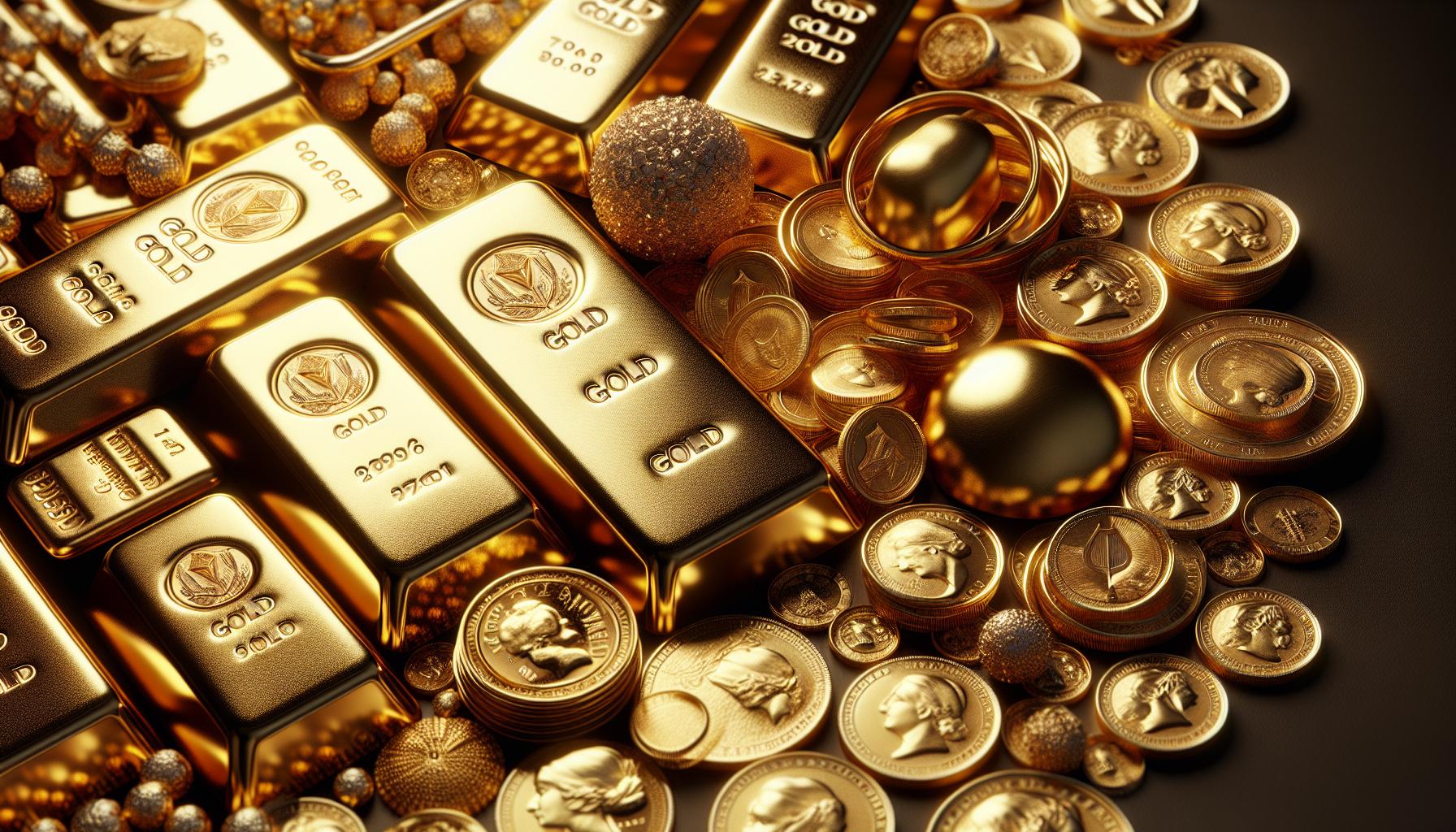
When evaluating the worth of your gold collection, understanding the distinct types of gold is crucial. Each form—whether it’s coins, bars, or jewelry—carries its own nuances in terms of value, purity, and market demand. Recognizing these differences can significantly impact your overall valuation, providing you with a clearer picture of how much your collection is truly worth.
Gold Coins
Gold coins are often seen as a secure investment and can possess both numismatic (collector) and intrinsic value.Their value is influenced not only by their gold content but also by rarity and demand among collectors. to effectively assess your gold coins, consider the following factors:
- Gold Content: Check the weight and purity (often measured in karats or fineness).
- Market Demand: Some coins, like the American Gold Eagle or South African Krugerrand, may have higher premiums due to demand and historical meaning.
- Condition: Mint condition coins are worth significantly more than those with visible wear or damage.
You can easily ascertain the value of common coins by consulting various online marketplaces or grade guides tailored for coin collectors.
gold Bars
Gold bars are another popular investment option, typically offering a lower premium over the gold price than coins. Their value is primarily determined by their weight and purity, usually marked as a stamp on the bar itself. Here’s how to assess them:
- Weight: Gold bars come in various weights (1 oz, 5 oz, 1 kg, etc.). The heavier the bar, the more gold it contains.
- Purity: Most bars have a purity of 99.9% (24 karats), which should be verified for accurate valuation.
- Brand Recognition: Bars produced by well-known refineries, like PAMP Suisse or Johnson Matthey, tend to have a market premium.
Utilizing a live gold price feed can help you calculate the spot price and thus the approximate value of your gold bars.
Gold Jewelry
Unlike coins and bars, gold jewelry can be more complicated to evaluate. While it has intrinsic gold value, emotional and design aspects can inflate its price. consider these key points when pricing your jewelry:
- Purity: Identify the karat of your gold (10K,14K,18K,etc.) to determine the percentage of gold present.
- Craftsmanship: Handcrafted or designer pieces may command a higher price due to their aesthetics and brand recognition.
- Condition and Wear: Repair history and signs of wear can affect the overall value of the piece.
A practical first step in assessing your jewelry’s value is to consult local jewelers for a quote. They can inspect the items and provide insight into both the gold and craftsmanship value.
Engaging with these different types of gold in your collection equips you with the knowledge necessary to make informed valuation decisions.By considering the factors unique to coins, bars, and jewelry, you are better prepared to ascertain how much your gold collection is worth, following your DIY valuation guide.
Tools and Techniques for DIY Gold Valuation
Understanding the value of your gold collection is a journey into the world of market trends, composition assessment, and price fluctuations. With precious metals constantly in the spotlight, many collectors and investors are searching for effective ways to determine the worth of their assets without pouring money into professional appraisals. Fortunately, several tools and techniques allow you to conduct a thorough DIY valuation.
essential Tools for Valuing Gold
To embark on your DIY gold valuation journey, gathering the right tools is vital.here are some essential items you’ll need:
- Precision scale: A digital scale that measures in grams is necessary for accurately weighing your gold items.
- Magnifying Glass: This will help you examine the markings on jewelry, ensuring you identify karat values correctly.
- Acid Testing Kit: For a more precise assessment of the gold content, an acid testing kit can definitely help you confirm the karat of your pieces.
- Price Charts: Regularly updated gold price charts will give you the current market price per gram or ounce, essential for accurate valuation.
Step-by-Step Evaluation Process
Once you have your tools ready, follow these actionable steps to estimate the value of your gold collection:
- Weigh Your Gold: Use your precision scale to measure the weight of each gold item in grams.
- Determine the Karat: Inspect each piece for karat markings (e.g., 10K, 14K, 24K) using your magnifying glass. If unsure,use your acid testing kit to verify the purity.
- Calculate Pure Gold weight: To find out the pure gold weight, multiply the total weight by the percentage of gold in the karat (e.g., 14K gold is about 58.3% pure). The formula is:
- Pure Gold Weight = Total Weight (g) × (Karat / 24)
- Use Current Market Prices: Research the current gold price per gram or ounce and multiply this value by your calculated pure gold weight to get the estimated worth.
| Karat | percentage of Gold |
|---|---|
| 10K | 41.7% |
| 14K | 58.3% |
| 18K | 75% |
| 22K | 91.7% |
| 24K | 100% |
By meticulously following these tools and techniques, you’ll gain a clearer understanding of how much your gold collection is worth.This will not only empower you in your collection management but also enhance your confidence during any potential sales or trades. Whether you’re a seasoned collector or just starting,mastering the art of DIY gold valuation can lead to informed decisions and a deeper appreciation for your assets.
When to Seek Professional Appraisals: Knowing Your Limits
Understanding the true value of your gold collection can be an engaging yet complex endeavor. While a DIY valuation guide can equip you with initial insights, there come moments when the expertise of a professional appraiser becomes crucial. Recognizing your limits in this intricate process can save you time, effort, and perhaps significant monetary losses.
When considering whether to seek out a professional appraiser, it’s essential to evaluate a few key indicators:
Indicators for Seeking Professional Help
- Complexity of Your Collection: If your collection comprises various types of gold items—such as coins, jewelry, or bullion—each with unique valuation techniques, a professional can provide clarity and accuracy.
- Lack of Knowledge: If you’re unsure how to evaluate specific pieces and their historical significance or market demand, an expert’s insights can make a ample difference.
- Insurance Needs: If you are considering insuring your collection, having a professional appraisal is usually a requirement. It ensures you receive proper coverage and can accurately document the value for your insurance policy.
- Intended Sale: Selling your gold collection can be a daunting task, especially if you want to maximize profit. A professional appraiser can guide you on the timing of the sale and identify the best platforms or markets for auctioning or selling your items.
real-World Example: The Value of Expertise
Consider a scenario where a collector owns vintage gold coins inherited from a relative. Despite doing preliminary research, the collector struggles to ascertain the true worth due to varying market prices and grading systems. Upon consulting a professional appraiser, they discover that one coin, in particular, holds rare collector appeal, significantly increasing its market value. The insight gained not only provides a clearer understanding of what the entire collection is worth but also helps the collector make informed decisions about selling or retaining these valuable items.
while utilizing a DIY valuation guide for your gold collection is an excellent starting point, it is indeed equally critically important to recognize when the complexities of valuation exceed your skill set. By being proactive about seeking professional appraisals, you can ensure your collection’s value is accurately represented and well-protected in the marketplace.
The Role of Rarity and Historical Significance in Valuation
Understanding the value of a gold collection goes beyond just weighing the metal; it also involves delving into the nuances of rarity and historical significance. These two factors play a pivotal role in determining how much a gold collection is worth,influencing not just the market price but also the emotional and historical value attached to specific pieces.
The Influence of Rarity
Rarity is one of the most crucial elements in the valuation of gold items. Collectors and investors often seek pieces that are not only stunning but also limited in availability, which can dramatically enhance their worth. The following points clarify why rarity matters:
- Limited Minting: Coins or bars produced in small quantities can command significantly higher prices than those easily found on the market.
- Unique Features: Items with unusual features—such as specific engravings, errors, or rarities like the Double Eagle coin—can skyrocket in value.
- Historical Context: items linked to significant historical events or figures can see immense appreciation, such as gold coins from a particular era or renowned collections.
Historical Significance
The historical significance of a piece also greatly impacts its appraisal. Items with a compelling backstory or those linked to noteworthy events can evoke a sense of nostalgia and collective memory, enhancing their desirability among collectors. Some key aspects to consider include:
- provenance: The documented history of ownership can make a piece more attractive to buyers,especially if it belonged to someone notable.
- cultural Heritage: Gold items that affirm regional traditions or are part of historical narratives can attract premium prices due to their cultural importance.
- Market trends: The fluctuations of total historical interest frequently enough align with current events, impacting demand.For instance, during economic downturns, vintage gold collectibles may see surging interest as they are seen as a safe investment.
To illustrate these points practically, consider a scenario where two gold coins are evaluated. One is a standard gold bullion coin that weighs one ounce, while the other is a rare coin minted during the 19th century with only a few known examples left in existence. The historical coin may be valued significantly higher, not just for its gold content but due to its rarity and the stories it represents.
| Factor | Impact on Value |
|---|---|
| Rarity | Higher demand and limited supply lead to increased prices. |
| Historical Significance | Provenance and cultural importance can add emotional value, increasing collectibility. |
evaluating a gold collection isn’t just about calculating the precious metal’s weight; it deeply involves exploring the rarity and historical significance of each piece. Collectors who take the time to thoroughly research these aspects are likely to gain a more thorough understanding of how much their gold collection is worth and how to maximize its potential value in the market.
Maintaining your Collection: Preservation Tips to Protect Value
Proper maintenance of your gold collection is essential not only to safeguard its beauty but also to preserve its value. Collectors frequently enough overlook the impact of habitat and handling on their precious items, which can lead to deterioration and a decrease in worth. Whether you’re a seasoned collector or a newbie wondering, “How much is my gold collection worth? DIY Valuation Guide,” taking the time to implement preservation techniques can significantly enhance your collection’s longevity and value.
Proper Handling Techniques
When dealing with gold items, whether they are coins, jewelry, or bullion, it’s crucial to minimize contact with your skin. Oils, dirt, and other residues can cause tarnishing and discoloration over time. Consider these practical steps:
- Wear gloves: Use cotton gloves when handling gold to prevent fingerprints from transferring.
- Limit handling: Only handle items when absolutely necessary, and always hold them by the edges.
- Use soft tools: When cleaning or displaying items, use soft brushes or cloths designed for delicate materials.
Storage Solutions
The way you store your gold collection can dramatically impact its condition. Here are some effective storage tips to keep your gold safe:
- Climate control: Store your collection in a cool, dry place.Humidity and heat can cause deterioration over time.
- Use protective cases: Consider investing in display cases or acid-free storage materials that will protect items from light and dust.
- Avoid stacking: Whether in drawers or cases, stack items carefully to prevent scratches and physical damage.
Regular Inspection
Just as you would evaluate the health of any asset, routinely inspect your gold collection. Look for signs of wear, tarnishing, or damage. Keeping a log with photographs can also be an effective way to track the condition over time. This proactive approach not only reassures collectors about the state of their investment but also allows for timely interventions if an item begins to show signs of distress.
| Inspection Frequency | What to Look For | Action Steps |
|---|---|---|
| Monthly | General condition, any noticeable tarnishing | Clean gently if necessary, document any changes |
| Quarterly | Structural integrity, loose parts in jewelry | Consult with a professional if any repairs are needed |
| Annually | Complete appraisal for market value | Consider professional appraisal services to assess worth |
By following these preservation tips, you can definitely help ensure that your collection not only retains its physical beauty but continues to hold its value. Whether you’re just beginning to ponder “How much is my gold collection worth? DIY Valuation Guide” or are already well-acquainted with the market,maintaining your assets properly will always pay off in the long run.
Documenting and Insuring Your Gold Items: What You Need to Know
When it comes to your gold collection,knowing its worth is just the beginning. Properly documenting and insuring your gold items not only secures your investment but also provides peace of mind in the event of theft, loss, or damage. Many collectors overlook this crucial step,yet thorough documentation and appropriate insurance can safeguard your valuable possessions.
Creating an Inventory
An organized inventory is essential in managing your gold items. It should include:
- Description: Document key details about each item, including type (jewelry, coins, bars), design, and unique features.
- Weight and purity: Record the weight in grams or ounces and the gold purity (measured in karats or fineness).
- Purchase Information: Include when,where,and from whom you purchased the items,along with any receipts or certificates of authenticity.
- Current Valuation: Note the estimated value based on recent market prices or appraisals.
Consider utilizing a
| Description | weight | Purity | Purchase Info | Estimated Value |
|---|---|---|---|---|
| Gold coin – American Eagle | 1 oz | 22K | Purchased from ABC Coins, 2022 | $1,800 |
| Gold chain necklace | 50 g | 18K | Inherited from family, 2020 | $1,200 |
Insuring Your Gold Collection
Once you have a comprehensive inventory, the next step is to ensure that your gold items are adequately covered. Customary homeowner’s insurance may not provide sufficient protection for high-value collections. Instead, consider specialized jewelry or collectibles insurance that caters specifically to gold items. Here are some pointers to consider:
- Professional Appraisal: Obtain a professional appraisal of each item to accurately determine its value, which will be essential for policy limits.
- Replacement Cost Coverage: Opt for a policy that offers replacement cost coverage rather than actual cash value, ensuring you coudl replace your items for the full amount without depreciation.
- Document your Collection: Provide your insurer with a copy of your inventory, receipts, and appraisals to facilitate the claims process easily.
Being proactive in documenting and insuring your gold collection not only helps you answer the pressing question of “How much is my gold collection worth?” but also protects your investment for years to come. With the right steps in place, you can enjoy the beauty and value of your collection without undue worry.
Faq
How much is my gold collection worth? DIY Valuation Guide
What factors determine the value of my gold collection?
The value of your gold collection hinges on several factors, including the weight of the gold, its purity, the current market price, and any intrinsic value associated with pieces such as jewelry or collectibles.
Gold’s purity is measured in karats (with 24K being pure gold), and knowing this will help you calculate its overall value. Additionally, the condition of your items and whether they are antique or vintage might increase their worth. To learn more about assessing the value of your pieces, check out our complete assessment guide.
How do I calculate the value of my gold collection?
To calculate the value of your gold collection, multiply the weight of your gold items (in ounces) by the current market price of gold per ounce, factoring in the purity of your gold.
For example, if you have 1 ounce of 18K gold, which is 75% pure, first calculate its pure gold weight as 0.75 ounces. Then, multiply by the current gold price – a price around $1,800 per ounce would result in a valuation of $1,350. For up-to-date market prices,explore our resources on current gold prices.
Can I assess the value of gold jewelry myself?
Yes, you can assess the value of gold jewelry yourself by weighing the pieces, determining their karat purity, and checking current gold market prices.
Start by using a digital scale for accuracy, then find the karat stamp on your jewelry. This information, coupled with the market price, will yield a rough estimate of value. However, for a more comprehensive assessment, consider consulting a professional jeweler or appraiser, especially if the piece has sentimental value or unique craftsmanship.
Why does the market price of gold fluctuate?
The market price of gold fluctuates due to several factors,including economic conditions,currency values,inflation rates,and demand from investors and industries.
Gold traditionally acts as a hedge against inflation and economic instability,thereby affecting demand. During times of market uncertainty, investors tend to flock to gold, driving its price up. To better understand market trends and influences, you may find our articles on gold market trends informative.
What is the best way to sell my gold collection?
The best way to sell your gold collection depends on its type and value, with options including pawn shops, gold buyers, online marketplaces, or auctions.
For valuable jewelry or collectibles, consider auctioning them or selling through reputable online platforms, as this can yield higher prices. For scrap gold,pawnbrokers or direct buyers may offer immediate cash,but frequently enough at lower prices. Always compare offers and research buyer reputations to ensure a fair transaction.
Can I use a gold appraisal tool for valuation?
Yes, you can use gold appraisal tools available online to get a preliminary idea of your collection’s value.
These tools often require details such as the item’s weight and purity.While helpful for initial estimates, consider that professional appraisals may provide more accuracy, especially for valuable or unique items. This could be crucial if you plan to sell or insure your collection.
Why should I get my gold collection appraised?
Getting your gold collection appraised is essential for understanding its value, especially for insurance purposes, sales, or estate planning.
An accurate appraisal can also help you when deciding to sell by ensuring you receive a fair price. Moreover, it can provide valuable documentation for personal records or financial planning. For detailed insights, explore our resource on the gold appraisal process.
The Way Forward
As you embark on your journey to determine the value of your gold collection, remember that understanding the nuances of gold valuation is essential, whether you’re an investor looking to optimize your portfolio or a jewelry enthusiast valuing personal heirlooms. We’ve explored key factors such as current market prices, purity assessments, and the influence of historical significance on value. By applying the DIY valuation techniques outlined in this guide,you empower yourself to make informed decisions that can greatly impact your financial future.
We encourage you to dive deeper into the world of gold—consider its rich history, examine various types of gold items, and stay updated on market trends to refine your valuation skills further. Whether you seek to sell,trade,or simply appreciate your gold collection,your newfound knowledge will serve you well. We invite you to explore our other resources, engage with our community, and share your experiences, as your journey with gold is one that can be both rewarding and enriching. Now, go ahead and unlock the true potential of your gold collection!