

As investors seek safe havens amid market volatility, the comparison between two precious metals—platinum and gold—becomes increasingly pertinent. While gold has long been favored for its stability, many wonder if platinum offers a superior investment opportunity. This guide dives into their performance, helping you make informed decisions in today’s dynamic market.
Understanding the Fundamentals: Platinum vs. Gold
When considering precious metals for investment, a common dilemma arises: should one opt for platinum, known for its rarity and industrial utility, or gold, celebrated for its historical value and stability? Both metals possess unique attributes that can considerably influence an investment portfolio. Understanding the fundamental differences between platinum and gold is crucial for making informed decisions.
Key Characteristics of Platinum
Platinum is a dense, malleable metal that is primarily utilized in industrial applications, particularly in automotive catalytic converters and electronics. Here are some of the key characteristics:
- Rarity: Platinum is about 30 times rarer than gold, making it a more exclusive choice.
- Industrial Demand: Its usage in various industries can lead to price fluctuations that may not be directly correlated with market trends like gold.
- Durability: Highly resistant to corrosion and tarnishing, platinum retains its luster over time, contributing to its desirability in jewelry.
Key Characteristics of Gold
Gold has been a symbol of wealth and power for centuries.Its properties contribute to both its appeal and stability as an investment:
- Historical Value: Gold has maintained its value as a store of wealth throughout history, making it a safe haven during economic downturns.
- Market Stability: While gold prices can fluctuate, they often move inversely to stock markets and inflation, providing a hedge against economic uncertainty.
- Liquidity: Gold is more widely traded and accepted than platinum, making it easier to buy and sell.
| Feature | Platinum | Gold |
|---|---|---|
| Rarity | 30 times rarer | Widely available |
| Primary Use | Industrial applications (e.g., automotive, electronics) | Investment, jewelry, electronics |
| Historical Value | Less historical significance | Strong historical value |
| Market behavior | More volatile due to industrial dependence | Often stable and predictable |
| Liquidity | Less liquid | Highly liquid |
investing in platinum versus gold involves weighing their distinctive characteristics against your investment goals. Platinum’s rarity and industrial demand can present opportunities for meaningful returns, especially in growing sectors, while gold’s historical value and stability provide reassurance during market volatility. Understanding these nuances is integral to determining which metal aligns best with your investment strategy as outlined in the Does Platinum Outperform Gold? Investment Comparison Guide.
Historical Perspective: How Platinum and Gold Have Performed Over Time
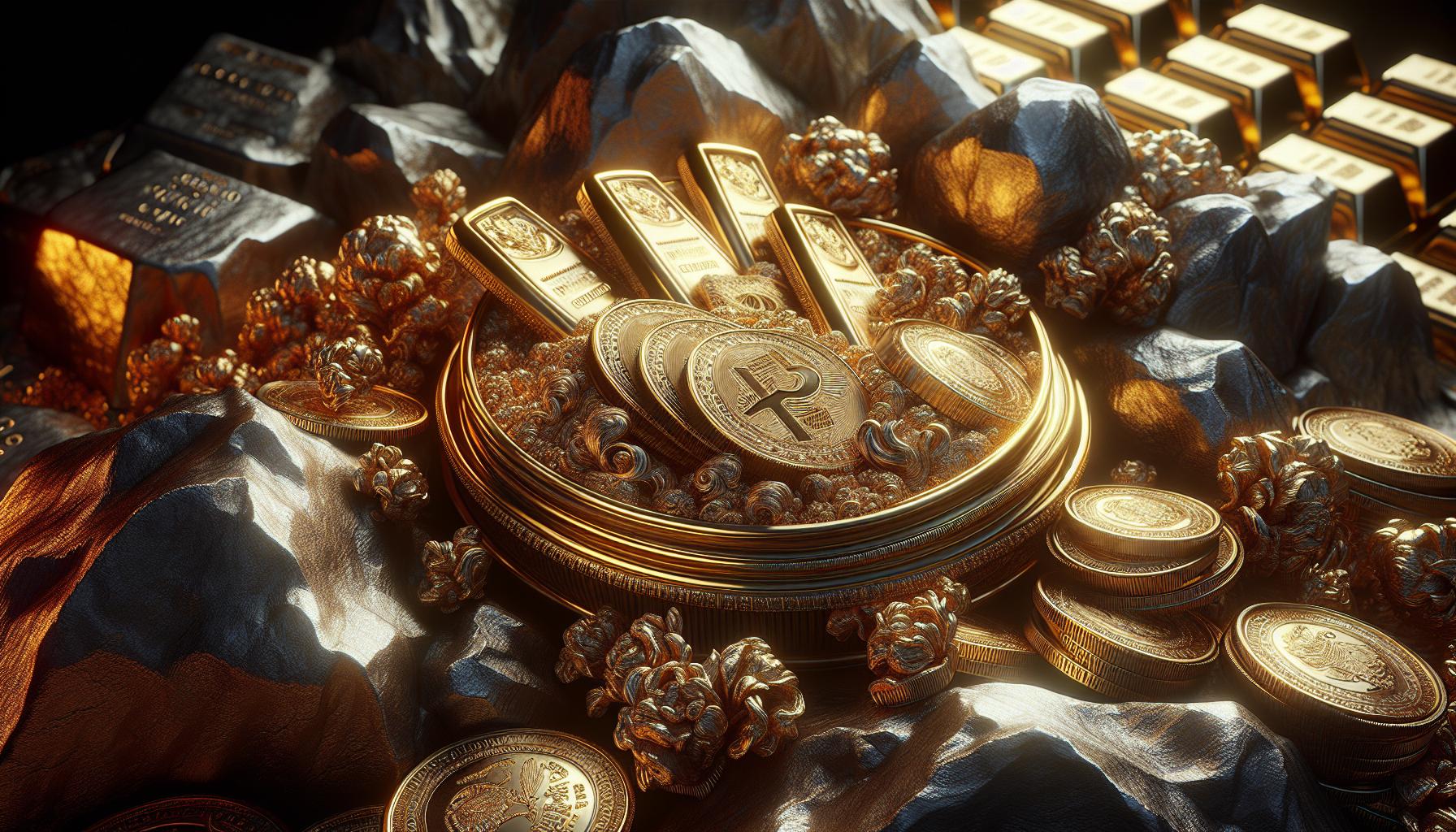
The performance of precious metals has been a focal point for investors for centuries,particularly in times of economic uncertainty.While gold frequently enough gets more attention due to its reputation as a safe haven and a hedge against inflation, platinum is frequently overshadowed but boasts a interesting history and unique characteristics that merit consideration. Understanding how these two metals have performed over time can provide invaluable insights for investors pondering the question: does platinum outperform gold?
### Historical Trends in Gold
Gold has been a symbol of wealth and a form of currency for millennia. Its value has consistently increased during periods of economic instability, making it an attractive investment option. As an example, during the 2008 financial crisis, gold prices surged as investors flocked to the asset in search of safety, reaching a peak of nearly $1,900 per ounce in 2011.
The table below illustrates gold’s price trends over the past decade:
| Year | Average Price (USD/oz) |
|---|---|
| 2013 | 1,411 |
| 2018 | 1,268 |
| 2020 | 1,771 |
| 2023 | 1,890 |
### Historical Trends in Platinum
Conversely, platinum is often seen as more volatile and subject to swings due to its industrial applications, particularly in automotive manufacturing for catalytic converters. In the early 2000s, platinum even surpassed gold in price, peaking at over $2,200 per ounce in 2008. However, its value can fluctuate based on market demand and supply, making it a riskier investment.
Historically, platinum has been overshadowed by gold during economic downturns. While gold retains its allure as a go-to asset during crises, the performance of platinum tends to mirror industrial activity. Such as, during the COVID-19 pandemic, platinum prices dropped as manufacturing halted, but they rebounded as industries reopened and demand for vehicles surged.
### Comparative Analysis
To give a clearer picture of how these two metals stack up against each other, consider the following comparisons between their historical performances:
- Dual Demand: Gold is primarily sought after for jewelry and investment, while platinum’s industrial usage can influence its price significantly.
- Market sentiment: Investors often turn to gold in uncertain times, whereas platinum may experience dips during recessions due to reduced industrial activity.
- Price Ratios: The price ratio between platinum and gold can indicate investment attractiveness; historically, these ratios fluctuate and should be monitored for strategic investing.
arming oneself with a comprehensive understanding of how platinum and gold have historically performed can aid investors in making informed decisions. Ultimately,while platinum may sometimes outperform gold during specific periods,its overall volatility means that it complements a diversified portfolio rather than serves as a sole asset for investment.
Market Dynamics: Factors Influencing the Price of Platinum and gold

The precious metals market is influenced by a complex interplay of various factors, shaping prices and investment choices available to investors. Understanding these dynamics is pivotal, particularly when evaluating whether platinum is a more lucrative option compared to gold. Both metals are coveted for their beauty and utility, but their market behavior can differ dramatically based on underlying economic indicators and market trends.
Supply and Demand Fundamentals
Supply and demand are the cornerstone factors influencing precious metal prices. For example, gold typically experiences consistent demand due to its roles in jewelry, electronics, and as a safe-haven asset during economic uncertainty. Platinum, conversely, has a more limited supply, primarily derived from South Africa and Russia, and is heavily influenced by the automotive industry, where it is used in catalytic converters.
- Gold: Demand remains stable across various sectors, with heightened interest seen during financial crises.
- Platinum: Demand fluctuates with the automotive industry’s trends, particularly in emissions control technologies.
The limited supply of platinum makes it susceptible to greater price volatility.For instance, any disruptions in mining operations can lead to significant price spikes, as seen during periods of geopolitical tensions in major producing countries.
Economic Indicators and Market Sentiment
The economic outlook greatly impacts both platinum and gold prices. Investor sentiment frequently enough shifts in response to macroeconomic indicators, such as interest rates, inflation, and currency fluctuations.When interest rates are low, gold tends to thrive as it yields no interest, making it an attractive reservoir of value. Conversely, gold may see reduced demand when rates rise, spurring a flight toward interest-bearing assets.
Table: Economic Indicators Impacting Precious Metal Prices
| Indicator | Gold Impact | Platinum Impact |
|---|---|---|
| Interest Rates | Negative correlation: Higher rates decrease demand for non-yielding gold. | Generally neutral, but can affect industrial demand. |
| Inflation | Positive correlation: Gold is frequently enough viewed as a hedge against inflation. | Also seen as a hedge, but closely tied to industrial demand. |
| Economic Stability | Positive: Higher demand during economic uncertainty. | Negative: Decreased demand for industrial use during downturns. |
market sentiment and speculation can drive short-term price movements, leading to significant fluctuations. As an example, during times of economic uncertainty, both gold and platinum prices may rise, but the degree can vary based on investor behavior and industrial needs.
Recognizing these market dynamics is vital for investors seeking to compare the potential of platinum against gold effectively.By understanding how supply,demand,and economic indicators influence prices,one can make more informed choices aligned with their investment strategy as detailed in the “Does Platinum Outperform Gold? Investment Comparison Guide.”
Investment Vehicles: How to Invest in Platinum and Gold
When considering precious metals as a part of your investment portfolio, you may be intrigued to learn about the distinct features and potential rewards associated with both platinum and gold. The question of whether platinum outperforms gold is not just a matter of market trends but also involves understanding the various avenues through which these metals can be purchased and held. Investing in precious metals presents unique opportunities, and knowing how to navigate the landscape can maximize your returns.
Different Ways to Invest in Platinum and Gold
Investors have various avenues to explore when looking to invest in these valuable metals:
- Physical Bullion: Purchasing physical bars or coins represents the most direct form of investment. Gold and platinum can be bought from certified dealers, coin shops, or online marketplaces. It’s essential to consider storage costs and security when investing in physical bullion.
- Exchange-Traded Funds (ETFs): ETFs are funds that track the price of gold or platinum, offering a way to invest in these metals without the need to handle physical assets.They provide liquidity, as they are traded on stock exchanges, and often have lower fees compared to other investment options.
- Mining Stocks: Investing in companies that mine gold and platinum can yield returns through capital thankfulness and dividends. However, this route carries specific risks associated with the mining industry, including operational inefficiencies and fluctuating metal prices.
- Futures contracts: For seasoned investors, futures contracts can offer high leverage but also come with significant risks. These contracts require precise market predictions to be profitable and can result in ample losses if the market does not move in your favor.
Comparative Performance Overview
To illustrate the relative performance of gold and platinum, consider the following table which summarizes key historical price trends and market dynamics:
| Year | Gold Price (USD/oz) | Platinum Price (USD/oz) | Price Ratio (Platinum/Gold) |
|---|---|---|---|
| 2018 | 1,269 | 794 | 0.62 |
| 2019 | 1,480 | 925 | 0.63 |
| 2020 | 1,773 | 1,050 | 0.59 |
| 2021 | 1,800 | 1,050 | 0.58 |
| 2022 | 1,800 | 1,030 | 0.57 |
This table gives investors a quick snapshot of the price movements, helping them to gauge the relationship between gold and platinum. It’s certainly worth noting that the price dynamics can vary significantly based on factors like industrial demand (for platinum) and global economic conditions (impacting gold).
Practical Considerations
As you weigh your investment decisions,remember that diversifying between platinum and gold can be a strategic approach. While historical performance provides insights, market behavior is often unpredictable. For those new to investing in precious metals, start small and educate yourself about the relevant market trends, as well as the specific characteristics of each metal.
Seek advice from financial professionals when needed and keep a close watch on economic indicators affecting precious metals. By understanding the question of whether platinum outperforms gold in your own circumstances, you can make informed decisions that align with your investment strategy.
Demand and Supply: What Drives the Value of Platinum Compared to Gold?
Understanding the forces that shape the value of platinum in comparison to gold is essential for any investor considering these precious metals. Despite both being rare and cherished for their beauty and utility, the dynamics of supply and demand for platinum and gold are notably different and can influence investment decisions significantly.
Supply Factors
The supply of platinum is primarily driven by mining output, which has historically been more limited than that of gold. South Africa is the world’s largest producer of platinum, accounting for around 70% of global supply. Any disruptions in mining operations, be they due to labor strikes or political instability, can lead to significant fluctuations in available platinum. As an example, during the 2014 strikes in South africa, platinum prices surged owing to dwindling supplies, showcasing how dependent platinum’s value is on its supply chain. In contrast, gold has a more diversified mining base, with multiple countries contributing to its supply, providing a buffer against localized disruptions.
- Platinum Supply: Predominantly sourced from South Africa; highly sensitive to mining changes.
- Gold Supply: Sourced globally; more stable due to regional diversity in production.
Demand Dynamics
On the demand side, the uses of platinum and gold differ markedly. Platinum plays a critical role in the automotive industry, particularly in catalytic converters, which reduce harmful emissions from vehicles. As the global market shifts towards electric vehicles,the demand for platinum in this sector could see changes,perhaps affecting its value. In contrast, gold is mostly sought after for investment purposes, jewelry, and central bank reserves, leading to relatively stable demand even in fluctuating markets. As an example, during economic downturns, gold often acts as a safe haven asset, underscoring its popularity and reinforcing its price.
Market Sentiment and Trends
Market sentiment also plays a critical role in influencing the value of these metals. Investors often gravitate towards gold during times of economic uncertainty, driving up its price due to heightened demand. Conversely, platinum, while used in various industrial applications, can lose value during economic slowdowns as industrial demand might taper off. Thus, understanding current market trends and future expectations in the automotive sector or global economic health can yield insights into potential price movements for both metals.
| Factor | Platinum | Gold |
|---|---|---|
| Primary Use | Catalytic converters, jewelry | Jewelry, investments, reserves |
| Major Producers | South Africa, Russia | China, Australia, Russia |
| Investment Nature | Frequently enough industrial, with volatile prices | Safe haven, relatively stable |
| Market Behavior | Sensitive to economic shifts | Strong during economic downturns |
By analyzing these factors—supply variations, differing demand drivers, and prevailing market sentiments—investors can make informed decisions about which metal to invest in based on their personal financial goals and market conditions.
Risk Assessment: evaluating the Stability of Platinum vs. Gold Investments
Investing in precious metals can evoke a range of emotions, from excitement over potential profits to anxiety over market volatility. Both platinum and gold have their proponents,yet understanding the risk and stability associated with each can significantly influence investment decisions. In the investment landscape, platinum often gets overshadowed by gold’s historical allure, but recent trends suggest a nuanced picture requiring careful analysis.
Market Dynamics and Volatility
Platinum typically exhibits higher price volatility compared to gold. The supply chain for platinum is notably more affected by industrial demand, particularly from the automotive sector, where it is used in catalytic converters.When global economic conditions fluctuate, the demand for vehicles can impact platinum prices significantly. Conversely, gold is traditionally viewed as a safe haven in times of economic uncertainty, frequently enough leading to price stability or appreciation during downturns.
To illustrate this disparity, consider the following comparative table on historical performance and price responsiveness:
| Year | Gold Price (USD/oz) | Platinum Price (USD/oz) | Annual Return (%) Gold | Annual Return (%) Platinum |
|---|---|---|---|---|
| 2019 | $1,523 | $895 | 18.31 | 26.04 |
| 2020 | $1,972 | $1,048 | 29.12 | 17.13 |
| 2021 | $1,800 | $1,060 | -8.64 | 1.14 |
| 2022 | $1,824 | $897 | 1.33 | -15.44 |
As shown, gold provides a steadier return over years with less drastic fluctuations, whereas platinum’s annual return has experienced more variability, reflecting the underlying market dynamics.
Diversification and Inflation Hedge
When considering the stability of these two metals as an investment, it is essential to weigh diversification benefits.While platinum can play a unique role in a mixed metals portfolio — given its connections to industrial use — gold’s status as a hedge against inflation is well established. In times when inflation rises, investors tend to flock towards gold, which retains intrinsic value, further enhancing its stability.
For investors focused on portfolio diversification, incorporating both metals might be a prudent approach. Engaging with their respective market trends can lead to a more balanced investment strategy that harnesses the strengths of each. Here are key points to consider:
- Long-term perspective: Analyze historical price movements over a decade rather than year-to-year fluctuations.
- Market news impact: Stay informed about industrial demand for platinum and geopolitical factors affecting gold.
- Investment horizon: Define short-term vs. long-term goals, as this affects the choice between gold’s stability and platinum’s growth potential.
Understanding these dynamics enables informed investment decisions and helps mitigate risks associated with both platinum and gold,paving the way for a more robust financial future.
Cultural Significance: The Role of Gold and Platinum in Societies Worldwide
Gold and platinum have held profound significance in various cultures throughout history, not only as forms of currency and investment but also as symbols of wealth, status, and artistry. The allure of these metals extends far beyond their monetary value, playing intertwined roles in traditions, rituals, and modern economies worldwide. Understanding the cultural importance of these precious metals enriches our perspective on their investment potential and applications in society.
Historical Context and Symbolism
In many cultures, gold has been synonymous with divinity and power. Ancient Egyptian pharaohs were often buried with golden artifacts to ensure their safety in the afterlife, while in India, gold is considered auspicious and often gifted during weddings and festivals. Platinum, while not as ancient in its mainstream usage, carries a sense of exclusivity; it is often associated with the elite and luxury. The term “platinum” itself denotes something of the highest quality or status, derived from its rarity and resilience.
- Gold:
- Used in ancient rituals and offerings.
- A symbol of power and wealth across civilizations such as the Egyptians and Romans.
- Platinum:
- Gained prominence in the 18th century, becoming a favorite among European royalty.
- Often used in high-end jewelry and luxury goods, symbolizing sophistication.
Modern Economic Impact
Today,the cultural implications of gold and platinum are evident in various sectors,from jewelry to electronics. In terms of investment, many individuals weigh the question: “Does Platinum Outperform Gold?” This inquiry reflects a deeper consideration of investment strategies intertwined with cultural perceptions of wealth. Gold is often seen as a safe haven during economic uncertainty, while platinum’s industrial uses, particularly in catalytic converters for automobiles, can drive its value depending on market demands.
| Metal | Primary Uses | Cultural Significance |
|---|---|---|
| Gold | Jewelry, investment, electronics | Tradition, status, and wealth in many cultures |
| Platinum | Jewelry, automotive, industrial applications | Luxury, exclusivity, and modern innovation |
Both metals continue to evolve in how they’re perceived and utilized globally. Investors, artists, and consumers alike should consider these cultural dimensions when contemplating the potential of each metal in their portfolios or personal expressions. Given their distinct roles and values, a keen awareness of the ongoing shifts in market dynamics and cultural perceptions can inform better decision-making in investments and lifestyle choices.
Expert Insights: Financial Advisors Weigh In on Platinum and Gold Investment Trends
Diversifying investment portfolios has become a paramount strategy for maximizing returns, and the choice between platinum and gold is a hot topic among financial advisors. As demand for both metals fluctuates based on market conditions, expert insights shed light on the unique characteristics each brings to the investment table. While some consider gold a safer haven during economic volatility, others advocate for platinum’s rising industrial applications, especially in the automotive sector due to its vital use in catalytic converters.
Market Trends and Price Dynamics
Investors need to grasp how market trends shape the value of these precious metals. Platinum often experiences price dips that can provide timely buying opportunities. Here are some key observations from financial experts on the performance dynamics between platinum and gold:
- Supply Chain Factors: Platinum’s supply is heavily influenced by mining output from South Africa and russia, while gold mining is more diverse globally.This can lead to sharper price fluctuations in platinum.
- Industrial Demand: With an expanding focus on eco-friendly vehicles and technologies, the automotive industry’s demand for platinum is expected to grow, potentially driving up prices.
- Investment Demand: Gold typically garners more love as a hedge against inflation and economic downturns, though platinum’s volatility can appeal to risk-tolerant investors looking for higher returns.
Expert Recommendations
In assessing whether platinum might outperform gold, seasoned financial advisors provide actionable insights:
| Investment Strategy | Gold | Platinum |
|---|---|---|
| Long-term Growth | Generally favored due to historical stability. | Potential for higher gains but with increased risk. |
| Economic Downturns | Strong demand as a safe haven. | Demand may drop if industrial activity slows. |
| Market Volatility | Typically less volatile. | Higher volatility can lead to significant returns. |
Investors considering these two options should thoroughly evaluate their risk tolerance and investment horizon. Platinum’s industrial applications may deliver robust returns as green technologies flourish, while gold remains a steadfast ally during uncertain economic times. Understanding the nuanced dynamics and trends captured in the investment comparison guide can aid in making informed decisions tailored to individual investment goals.
Diversification Strategies: Incorporating Platinum and Gold into Your Portfolio
Investors today are increasingly recognizing the importance of diversifying their portfolios to mitigate risk and enhance potential returns. While traditional assets like stocks and bonds constitute a foundation, precious metals, particularly gold and platinum, are gaining traction as complementing assets that can provide a counterbalance in uncertain economic climates. In fact, understanding the dynamics between these two metals, as explored in the investment comparison guide on whether platinum outperforms gold, can lead to informed investment decisions and a more resilient portfolio.
Understanding the Roles of Gold and Platinum
Both gold and platinum hold significant places in the investment landscape,yet they serve distinct purposes. Gold is traditionally favored as a hedge against inflation and currency fluctuations due to its long-standing historical value. In contrast, platinum is often utilized in industrial applications, particularly in the automotive and electronics sectors, which can lead to price movements that reflect manufacturing demand. This dichotomy presents an intriguing opportunity for investors looking to leverage their differing market behaviors.
When considering how to incorporate both metals into your investment strategy, it’s imperative to look at their historical performance, market trends, and individual risk profiles. Here are some strategies to effectively integrate them into your portfolio:
- Ratio-Based Allocation: Consider allocating a specific percentage of your portfolio to both metals based on their historical correlation and performance.For instance, if historical data shows that platinum tends to have higher returns during certain economic conditions, increase its allocation during those periods.
- Market Monitoring: keep an eye on market trends and macroeconomic indicators. Such as, if manufacturing data suggests an uptick in industrial activity, it may be time to increase your investment in platinum.
- Hedging Approach: Use gold as a hedge during times of market instability while employing platinum when economic conditions favor industrial growth, creating a balancing act between the two assets.
Utilizing Different Investment Vehicles
Investors have multiple avenues to invest in gold and platinum, each with its own advantages and considerations. Physical assets, such as bullion or coins, can offer intrinsic value and security. Alternatively, exchange-traded funds (ETFs) dedicated to these metals allow for easier entry and liquidity without the need for physical storage.
| Investment Vehicle | Pros | cons |
|---|---|---|
| Physical Bullion | Direct Ownership: Tangible asset, hedge against currency collapse. | storage Costs: Requires secure storage and insurance. |
| etfs | Liquidity: Easy to trade on exchanges without physical handling. | Management Fees: May incur higher fees compared to holding physical assets. |
Incorporating both platinum and gold into your investment portfolio can be a strategic move,especially in light of their unique market characteristics.By understanding their historical behaviors and leveraging the right investment vehicles, you can develop a diversification strategy that effectively mitigates risk while potentially enhancing returns.Whether you lean towards the stability of gold or the industrial potential of platinum, a balanced approach may offer an optimized path to achieving your financial objectives.
Frequently asked questions
Does Platinum Outperform Gold?
When comparing investments,platinum has historically shown different performance compared to gold. Factors like industrial demand, market trends, and economic conditions influence whether platinum outperforms gold. In recent years, gold has generally provided stronger returns.
Gold is frequently enough seen as a safe-haven asset during economic downturns,whereas platinum’s value can be more closely tied to industrial demand,particularly in the automotive sector for catalytic converters. Understanding these dynamics is crucial for investors considering a diversified portfolio. For a deeper analysis, check out our complete Investment Comparison Guide.
What factors determine the performance of platinum vs gold?
the performance of platinum versus gold is determined by various factors, including supply and demand dynamics, macroeconomic trends, and investor sentiment. Industrial usage significantly affects platinum, while gold is often influenced by geopolitical tensions and inflation rates.
As a notable example, an increase in automobile production can raise demand for platinum, potentially increasing its value. Conversely, during economic turbulence, gold usually shines due to its reputation as a safe investment. Recognizing these factors aids investors in making informed decisions.
Why does the price of platinum fluctuate more than gold?
The price of platinum tends to fluctuate more than gold due to its smaller market size and high dependence on industrial applications, particularly the automotive industry. A shift in demand or disruption in supply can lead to larger price swings.
Furthermore, unlike gold, which is primarily viewed as an investment asset, platinum has significant industrial uses that impact its valuation directly. This volatility can present risk but also opportunities for savvy investors. Keeping an eye on industrial trends can provide valuable insights for predicting price movements.
Can I invest in platinum and gold concurrently?
Yes, investing in both platinum and gold can be a wise strategy for portfolio diversification. Each metal possesses unique characteristics and market drivers that can complement each other.
Diversification helps mitigate risk, especially since the performance of these metals can diverge under different economic conditions. For instance, during periods of rising industrial demand, platinum may outperform gold, while in times of economic uncertainty, gold often retains its value. For strategies on asset allocation, consider our diversification Strategies.
What are the risks of investing in platinum compared to gold?
Investing in platinum carries risks distinct from those associated with gold. The primary risks include price volatility, dependence on industrial demand, and lower liquidity in the platinum market.
For example, if there’s a slowdown in global automotive production, the demand for platinum could decrease sharply, impacting its price negatively. Conversely, gold frequently enough retains higher liquidity and serves as a hedge against inflation, making it a more stable investment. Understanding these risks is essential for effective investment planning.
How can I buy platinum and gold?
Investors can purchase platinum and gold in several forms, including physical bullion, exchange-traded funds (ETFs), and mutual funds.each method offers different advantages in terms of accessibility and liquidity.
Buying physical metals requires storage considerations, while ETFs allow for easier trading and diversification without the need for physical storage. If you are interested in purchasing, exploring reputable dealers or investment platforms can also enhance your investment experience.
What historical trends exist between platinum and gold prices?
Historically, the price of platinum has sometimes surpassed that of gold, primarily due to supply-demand imbalances and industrial fluctuations. However, this has shifted over the last decade, with gold generally holding a more prominent position.
During certain periods, such as when automotive demand surged, platinum prices soared, but they have been quite volatile. investors should study historical data to spot trends before making decisions, using resources like our Historical Data page for comprehensive insights.
In Conclusion
while both platinum and gold hold their own within the investment landscape,understanding their distinct characteristics and market behaviors is essential for making informed financial decisions. Platinum often exhibits volatility influenced by industrial demand, while gold remains a steadfast refuge during economic uncertainty. As you consider your investment strategy, reflect on your financial goals, risk tolerance, and the unique attributes of each metal.
We invite you to delve deeper into the world of precious metals, explore our comprehensive guides, and engage with our community. Whether you’re a seasoned investor or just starting to navigate this fascinating market, your journey towards financial wisdom and understanding is just beginning. Stay informed and empowered as you explore the intricate relationship between these two remarkable assets.


