
Is your beloved gold-plated jewelry starting to lose its luster? Worn jewelry can be disheartening, but the good news is that you can frequently enough restore its beauty. This article explores effective solutions for refreshing your gold plating, ensuring your cherished pieces shine brightly once more. Discover how easy it can be to revive your favorite accessories!
Understanding Gold Plating: What You Need to Know
When it comes to maintaining the beauty and value of your jewelry, understanding the concept of gold plating is crucial. Gold plating refers to the process of applying a thin layer of gold over a base metal, allowing for affordable luxury without the hefty price tag of solid gold items. However, like any surface treatment, gold plating can wear off over time due to daily wear, exposure to chemicals, and even simply age. This raises a pertinent question: is it possible to refill worn gold plating? Let’s dive into the essentials of gold plating and how you can rejuvenate your treasured pieces.
What You Should Know About Gold Plating
Gold plating is commonly measured in microns, with thicker layers generally indicating better durability. Here are some key aspects to consider:
- Thickness: Standard gold plating can range from 0.5 to 2.5 microns, while heavier plating can reach up to 5 microns.
- Base Metal: Common base metals used are copper, silver, or brass; the choice substantially affects durability and the potential for tarnishing.
- Wear and Tear: Frequent exposure to sweat, cosmetics, and environmental pollutants can accelerate the wear of the gold layer.
- Maintenance: Regular cleaning and proper storage can extend the life of gold-plated items.
Can You Refill Worn Gold plating?
Refilling or restoring gold plating is not only possible but often necesary to maintain the appearance of your jewelry. Here are a few options:
| method | Description | Pros | Cons |
|---|---|---|---|
| Professional Replating | Jewelry is sent to a specialist for replating with a new layer of gold. | High-quality finish; can restore original shine. | Costs can be high; turnaround time may vary. |
| At-Home Kits | DIY gold plating kits available for personal use. | Cost-effective; allows for immediate repairs. | Results may vary; requires some skill. |
| Gold-Dipped Services | Some jewelry stores offer dipping services to renew plating. | Swift service; generally affordable. | May not last as long as original plating; limited to store availability. |
Choosing the right method to rejuvenate your gold-plated jewelry largely depends on the value of the piece and your budget. Additionally, understanding that gold plating isn’t indestructible will help set realistic expectations regarding its longevity. By taking proactive measures, such as regularly polishing and storing your jewelry properly, you can significantly extend the life of its gold finish, ensuring that it remains a beloved part of your collection for years to come.
Signs That Your Gold-Plated Jewelry Needs Refilling
Recognizing the signs that your gold-plated jewelry is in need of refilling can save you both time and money, ensuring that your favorite pieces remain vibrant and free from tarnish. Gold plating, while a beautiful and cost-effective alternative to solid gold, can wear away over time due to exposure to elements, oils from your skin, and daily wear and tear. Understanding when to seek refilling is key to maintaining the luster and beauty of your jewelry.
Common Indicators of Worn Gold Plating
Look out for these telltale signs that your gold-plated jewelry may require a refreshing layer of gold:
- Visible Wear and Tear: If you notice patches of base metal showing through the gold plating, it’s a clear sign that the upper layer has worn down.
- Tarnish Appearance: A dull, greyish or faded look is frequently enough the result of oxidation and can indicate that it’s time for a refinish.
- Skin Reactions: If your skin starts showing signs of irritation or discoloration after wearing a piece, it might mean the gold plating is thinning and exposing the underlying metal.
- Chipping or Flaking: Any physical damage,such as chips or flakes,might reveal the underlying metal and signal an urgent need for a refilling.
Maintenance Tips to Extend Gold Plating Life
To prolong the life of your gold-plated jewelry and delay the need for refilling, consider these maintenance strategies:
- Avoid moisture: Remove jewelry before swimming, showering, or exercising to minimize exposure to sweat and chlorinated water.
- Store Properly: Keep pieces in a clean, dry place, ideally in an anti-tarnish pouch or a jewelry box away from direct sunlight.
- Gentle Cleaning: Use a soft cloth to wipe your jewelry after wearing it to remove oils and dirt.
- Limit Exposure to chemicals: Be cautious around perfumes, lotions, and cleaning products, which can cause the plating to wear more quickly.
being vigilant about these signs can help prevent more extensive damage and make your jewelry collection last longer. If you find yourself asking, “Can you refill gold plating?” take note of these indicators and act sooner rather than later to keep your pieces looking their best. Regular assessments and a bit of careful maintenance will go a long way in preserving the beauty and integrity of your treasured gold-plated items.
The Gold Plating Process: Steps to restore Your Jewelry
When your favorite pieces of jewelry start to lose their luster, it can feel like a piece of your history is fading away. Gold plating, while beautiful, is prone to wear and tear due to daily exposure to moisture, chemicals, and even friction against other surfaces. Understanding the process of restoring your gold-plated jewelry can breathe new life into these cherished items and save you money compared to investing in brand-new pieces. Here’s a extensive overview of the steps involved in rejuvenating your gold-plated jewelry.
Understanding the Process of Gold Plating Restoration
Restoring gold plating requires careful attention to detail and the right materials.Here’s a step-by-step guide that outlines the typical process:
- Assess the Condition: Before starting, evaluate your jewelry’s current state.Check for any scratches, tarnish, or exposed base metal, as this will dictate the extent of the restoration needed.
- Thorough Cleaning: Clean the jewelry using a gentle solution of warm water and mild soap with a soft brush. This removes dirt and oils that could interfere with the new layer of gold plating.
- prepare for Plating: Once cleaned, dry the piece completely. If necessary, sand down areas where the base metal is exposed to ensure even adherence of the new gold layer.
- Gold Plating: For an effective restoration, consider using a gold plating kit, or take your jewelry to a professional. The application involves using an electroplating method to apply a thin layer of gold onto the surface.
- Final Touches: After plating, let the piece dry, and if desired, polish it with a soft cloth to enhance its shine.
Tips for DIY Replating
If you’re inclined to tackle this project at home, there are a few key considerations to keep in mind. Choosing the right products is crucial. Look for high-quality gold plating solutions that are specifically designed for jewelry. Always follow the manufacturer’s guidelines to ensure optimal results. Additionally, remember that the thickness of the plating will influence longevity; therefore, investing in a high-quality solution can pay off in durability.
When to Seek professional Help
While some jewelry enthusiasts may feel comfortable attempting a DIY repair, certain situations may call for professional intervention. If your piece holds important sentimental value, or if you’re dealing with intricate designs that require precision, enlisting a knowledgeable jeweler is wise. They not only have access to better tools and materials but also can assess underlying issues, such as structural damage that might require repair before replating.
refreshing gold-plated jewelry involves a thoughtful combination of cleaning, planning, and plating. Whether you decide to restore it yourself or seek professional help,ensuring the preservation of your jewelry adds not only to its beauty but also its value to you. Now that you understand the fundamentals of the gold plating process, you can confidently tackle the question, “Can you refill gold plating? Solutions for worn jewelry are indeed within your reach!”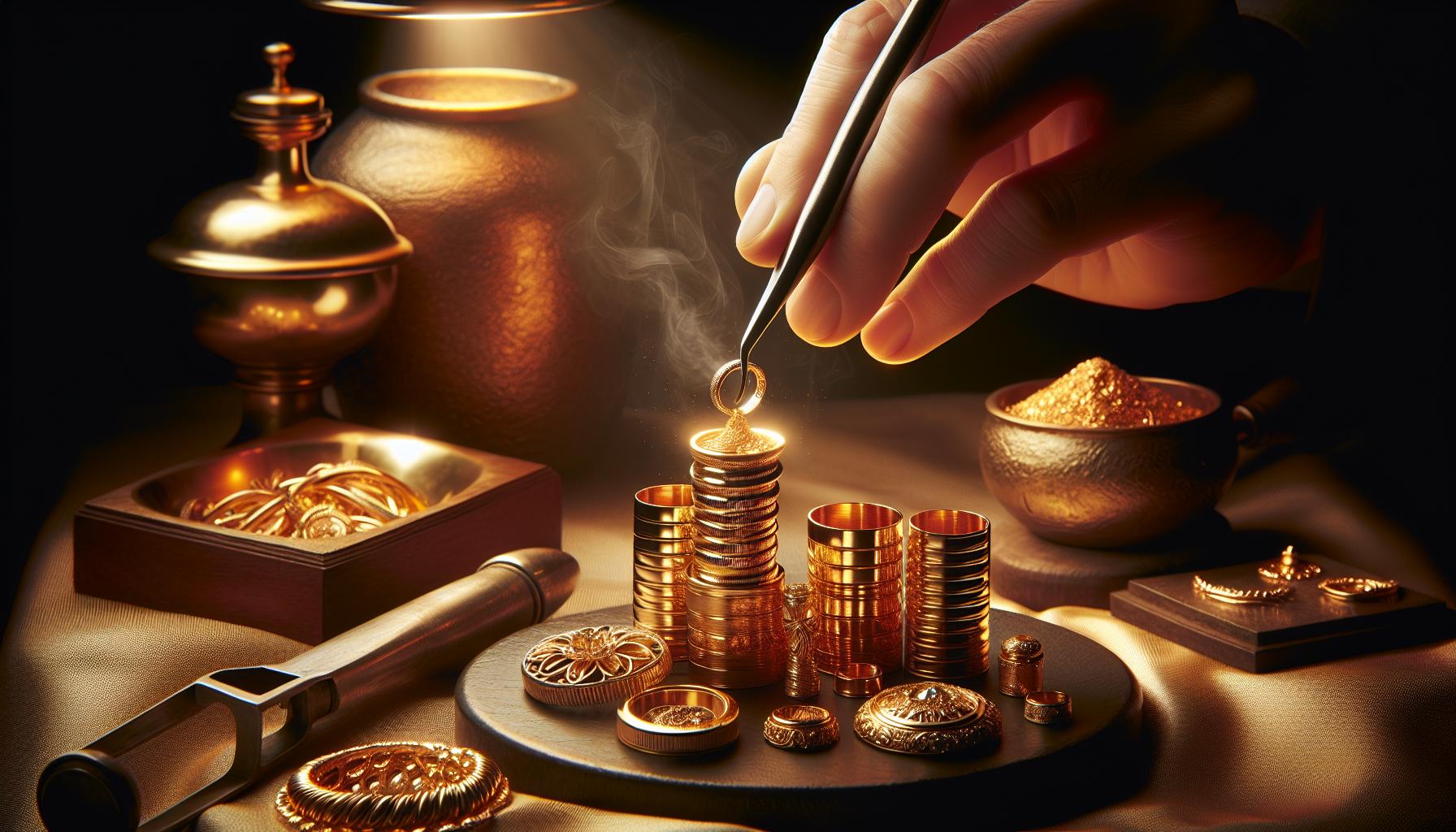
Professional vs. DIY Refilling: which is Right for You?
Choosing between professional services and DIY methods for refilling worn gold plating can significantly impact both the outcome and the longevity of your cherished jewelry pieces. Understanding the nuances of each approach is essential for making an informed decision that aligns with your needs and expertise.
Advantages of Professional Refilling
When it comes to restoring your gold-plated jewelry, enlisting the help of a professional does come with some notable advantages:
- Expertise: Professionals are trained in techniques that ensure a uniform application of gold, which is crucial for achieving a flawless finish.
- Durability: The tools and materials used by professionals are often of higher quality, resulting in a longer-lasting re-coating compared to DIY methods.
- Time-Saving: Hiring a specialist eliminates the time and potential frustration associated with trying to do it yourself, which can be notably beneficial for intricate pieces.
Additionally,professionals can assess the overall condition of your jewelry and advise on any repairs that might be needed before refilling. This ensures that your jewelry not only looks good but also is structurally sound.
Benefits of DIY Refilling
On the other hand, opting for a DIY approach can be appealing for several reasons:
- Cost-Effective: Doing it yourself is usually much cheaper than paying for professional refilling, which can be significant for those on a budget.
- Convenience: You have the flexibility to refill your jewelry at your own pace and in the comfort of your home, which can be less stressful.
- Creative Control: For those who enjoy hands-on projects, DIY refilling allows you to experiment with different techniques and finishes, giving your jewelry a unique touch.
However, it’s important to acknowledge the potential downsides. With DIY refilling, there’s a higher risk of uneven application, lifting, or a finish that doesn’t match the original piece’s sheen. It is crucial to research and gather materials designed for jewelry, such as gold plating pens or spray, to ensure the best outcome.
Making the Right Decision
ultimately, the choice between professional and DIY refilling boils down to personal preference, skill level, and desired results.Consider the table below to help you compare options based on critical factors:
| Factor | Professional Refilling | DIY Refilling |
|---|---|---|
| Cost | Higher | Lower |
| Time Required | Less time | More time |
| Quality of Finish | High | Variable |
| Skill Level Needed | Low | Moderate to High |
| Control over Process | Low | High |
By evaluating these factors, you can make a decision that not only reflects your personal style but also respects the value of your treasured jewelry. Whether you decide to ask, “Can you refill gold plating?” and opt for a professional or take on the challenge yourself, understanding each option will help ensure your pieces continue to shine beautifully.
Choosing the Best Gold Plating Solution for Your Pieces
When it comes to preserving the allure of your jewelry, the choice of a gold plating solution plays a pivotal role. dull, worn-out pieces can lead to disappointment, but understanding how to re-apply gold plating can breathe new life into your cherished items. Selecting the right method not only enhances appearance but also determines durability and longevity, ensuring your jewelry continues to shine.
Types of Gold Plating Solutions
Before diving into your gold plating options, it’s essential to explore the various methods available. each solution caters to different needs, whether you’re tackling surface scratches, wear, or color fading.
- Electroplating: This method uses electrical currents to deposit a thin layer of gold onto your jewelry. It provides a uniform finish and is ideal for larger pieces but can be more expensive.
- gold Leaf: A more affordable option, this involves applying extremely thin sheets of gold onto surfaces. While decorative, it may not hold up as well to wear and tear.
- Gold Spray Paint: While not customary, it offers a quick fix for restoring color. Best used for costume jewelry, it’s critically important to note that it lacks the quality and durability of other methods.
Factors to Consider
Choosing the right solution requires careful consideration of several factors. Evaluate the following before proceeding:
- Jewelry Material: Different metals react uniquely to gold plating. Make sure to select a solution compatible with the base material of your jewelry.
- Desired Thickness: Consider how durable you want the plating to be. Thicker layers typically last longer but may alter the look of more delicate designs.
- Intended use: If your jewelry will see regular wear, prioritize durability in your chosen method to ensure it withstands the test of time.
Application Processes
Nonetheless of which method you choose, ensure you follow a proper application process.For example,with electroplating,preparation is key; items must be cleaned thoroughly to remove oils and dirt. Below is a simplified comparison of the application methods:
| Method | Preparation Time | Durability | Cost |
|---|---|---|---|
| Electroplating | Moderate | High | $$$ |
| Gold Leaf | Low | Medium | $$ |
| Gold Spray Paint | Low | Low | $ |
By thoughtfully considering the right approach to re-gold plating your jewelry, you can effectively restore its luster and ensure it remains a beloved accessory for years to come.
Maintenance Tips for Prolonging Gold Plating Lifespan
Taking care of your gold-plated jewelry is crucial not only for maintaining its aesthetic appeal but also for prolonging its lifespan.While the allure of gold plating adds charm and elegance, it is indeed essential to remember that gold plating is not a permanent solution; it can wear off over time. By implementing specific maintenance practices, you can defy the odds and keep your jewelry looking radiant for years to come.
Gentle Cleaning Techniques
Among the best practices for maintaining gold-plated items is regular cleaning. Unlike traditional gold, gold plating requires a softer touch to avoid damaging the thin layer of gold. Here are some effective cleaning techniques you can apply:
- Use a soft cloth: A microfiber or soft cotton cloth is ideal for wiping fingerprints and oils off the surface.
- Gentle soap solution: Mix mild soap with warm water to create a gentle cleaning solution.Dip the cloth into the mixture, wring it out, and lightly wipe the jewelry. Avoid soaking or submerging your piece.
- Avoid harsh chemicals: Products containing ammonia or bleach can strip away the gold plating. Always steer clear of abrasive or corrosive cleaners.
Storage Solutions
Proper storage plays a vital role in preserving the beauty of your gold-plated jewelry. When storing, consider these recommendations:
- Jewelry pouches or boxes: Store each piece in its own soft-lined pouch or compartmented jewelry box to prevent scratches or tangling.
- Avoid moisture: Keep your jewelry in a dry surroundings. Excess moisture can accelerate tarnishing and degradation.
- safe from sunlight: Direct exposure to sunlight can fade the gold luster over time; therefore, store items in a shaded area or a drawer.
Limit Exposure
To maximize your jewelry’s lifespan, it’s wise to limit its exposure to elements that can hasten wear. Here are some scenarios to be mindful of:
- remove during activities: Take off your jewelry when swimming, showering, or exercising to prevent exposure to chlorinated water, sweat, and soap.
- Fragrance and cosmetics: Avoid applying perfume,makeup,or hairspray while wearing your gold-plated jewelry; these substances can tarnish gold plating.
By integrating these actionable maintenance tips into your routine, you can significantly enhance the longevity of your gold-plated jewelry. Remember, while it may not be possible to refill gold plating indefinitely, consistent care ensures that your pieces look stunning for a much longer time. Whether pondering, “can you refill gold plating?” or seeking solutions for worn jewelry, the measures you take now will ultimately pay off in the long run.
Cost Factors: What to expect When Refilling Gold Plating
When it comes to maintaining the luster of your favorite gold-plated jewelry, understanding the costs involved in refilling the gold plating can prepare you for what’s ahead. Unlike solid gold, which lasts a lifetime, gold plating tends to wear off due to everyday use, skin contact, and exposure to lotions or perfumes.thus, whether you’re asking yourself, “can you refill gold plating?” or seeking solutions for worn jewelry, knowing the financial aspects can make a significant difference in your choices.
Factors Influencing the cost of Refilling
Multiple elements play a crucial role in determining how much you’ll need to invest when refilling your gold plating. Here’s what to expect:
- Quality of Gold Used: The karat of gold used in the refill influences the price. Higher karats mean purer gold and typically come with a steeper cost.
- Size and Type of Jewelry: Larger pieces or intricate designs require more gold, thus increasing the overall cost. Simple studs or chains can be refilled more affordably.
- Service Provider: Established jewelers or specialized services may charge more for their expertise and quality assurance compared to local or less-known options.
- Location: Geographic location can influence pricing. Urban centers often have higher labor costs than rural areas, impacting service charges.
Estimated Cost Breakdown
While costs can vary widely depending on the aforementioned factors, here’s a simplified table for a clearer picture of what to expect when budgeting for gold plating refills:
| Type of jewelry | Estimated Cost Range |
|---|---|
| Rings | $50 – $150 |
| Necklaces | $60 – $200 |
| Earrings | $40 – $100 |
| Bracelets | $50 – $150 |
Understanding these cost factors will help you prepare for the financial commitment involved in refreshing your gold-plated jewelry. With careful planning and by choosing the right service provider, you can breathe new life into your cherished items and ensure they continue to shine beautifully for years to come.
The Environmental Impact of Gold Plating: Considerations for Consumers
As jewelry lovers,we often find ourselves entranced by the allure of gold plating — a budget-pleasant way to adorn our collections with that coveted golden glow. However, behind this shimmering surface lies an environmental narrative that deserves our thoughtful consideration. The process of gold plating involves not just the application of a thin layer of gold over base metals, but also the use of various chemicals and resources that can have sizable ecological footprints.
Resource Extraction and chemical Use
The journey begins with gold mining, which wreaks havoc on local ecosystems. Mining for gold can lead to deforestation, soil erosion, and contamination of water resources due to toxic substances like mercury and cyanide used in the extraction process. Given that gold plating is often seen as a more lasting choice due to its lower cost, many consumers overlook the substantial environmental costs associated with its base material sourcing.
Furthermore, during the plating process, chemicals are used that can be harmful if not managed properly. Some methods of gold plating rely on solutions containing hazardous materials, which pose risks to both workers and the surrounding environment. Here’s a brief overview of the chemicals commonly involved:
| Chemical | Impact |
|---|---|
| Cyanide | Highly toxic, can contaminate water sources and harm aquatic life |
| Mercury | Severe environmental pollutant, harmful to human health |
| Acids | Corrosive, can contribute to acid rain if mismanaged |
Responsible consumer Choices
As consumers, we wield significant power through our purchasing decisions. Here are some actionable steps to mitigate the environmental impact associated with gold plating:
- Research Brands: Opt for jewelers and brands that prioritize sustainable practices in sourcing materials and minimizing waste.
- Consider Alternatives: Explore jewelry options made from recycled metals or lab-grown materials, which can dramatically reduce your ecological footprint.
- care for Your Jewelry: Proper care can extend the life of your gold-plated pieces, reducing the need for frequent replacement and lessening overall waste.
Understanding the full cycle of gold use, including the fascinating question of “Can You Refill Gold plating? Solutions For Worn Jewelry,” allows us to make more informed choices that not only serve our style but also respect the planet. By elevating our consciousness around the environmental impacts of gold plating, we can celebrate beauty in ways that harmonize with sustainability.
Faq
Can You Refill Gold Plating?
Yes, you can refill gold plating on worn jewelry. Techniques such as electroplating can restore the original luster and thickness of the gold layer, enhancing its appearance and durability.
Gold plating tends to wear off over time due to exposure to elements and daily wear. Refilling, frequently enough done by professionals, involves adding a new layer of gold onto the existing surface. It’s a cost-effective way to rejuvenate cherished pieces without the expense of replacing them entirely.
How do I know if my gold-plated jewelry needs re-plating?
Signs indicating your gold-plated jewelry may need re-plating include visible wear or fading areas and a change in color to a more silver or brass tone. Regular inspection helps maintain the beauty of your items.
If the metal underneath becomes visible, it’s time to consider a re-plating. Even though regular care can extend the life of the plating, it’s essential to monitor your jewelry to avoid damaging the underlying metal.
What is the process for re-plating gold jewelry?
The re-plating process typically involves cleaning the jewelry, applying an electroplating solution, and allowing it to dry. This technique effectively restores the original gold layer using electricity to bond the gold to the base metal.
Essentially, a thin layer of gold is deposited onto the jewelry, which can effectively enhance its appearance. It’s advisable to consult a professional jeweler to ensure optimal results and avoid any damages.
Can I DIY re-plating at home?
While some DIY kits exist, it’s not generally recommended to attempt re-plating gold jewelry yourself. Professional tools and expertise are often required to achieve desirable and lasting results.
home methods may lead to uneven coatings and can even damage your jewelry. For best results and to protect your investment, enlist the help of a professional who can provide quality work and longevity.
Why does gold plating wear off?
Gold plating wears off due to friction, exposure to chemicals, and natural skin oils. over time, these elements erode the gold layer, revealing the base metal underneath.
Wearing gold-plated jewelry during activities such as swimming, exercising, or using fragrances can accelerate this process. Proper care, like regular cleaning and storing pieces properly, can help minimize wear and extend the life of the plating.
What are some preventive measures for gold-plated jewelry?
To protect your gold-plated jewelry, avoid exposing it to harsh chemicals and store it in soft pouches. Removing jewelry during physical activities can also prolong its lifespan.
Regular maintenance, such as gentle cleaning with a soft cloth, can help retain its shine. Additionally, consider using protective sprays designed for jewelry to minimize exposure to wear-inducing factors.
How frequently enough should I get my gold-plated jewelry re-plated?
re-plating varies depending on wear frequency but is generally recommended every 1-3 years. High-use jewelry may require more frequent re-plating, while items worn occasionally can last longer.
Scheduling regular assessments with a jeweler can help you determine the optimal re-plating schedule based on the condition of your pieces and how regularly they are worn.
The Conclusion
the issue of whether you can refill gold plating is not only a practical consideration for maintaining your cherished jewelry but also a gateway into understanding the broader significance of gold itself. From the various methods available for rejuvenating worn gold-plated items to the cultural heritage of gold as a precious metal, it’s clear that gold is much more than just an investment—it’s a vibrant part of our history and personal expression.
If you find yourself grappling with questions about the upkeep of your fine jewelry or considering the best approaches to preserve your valuable pieces, we encourage you to dive deeper into our resources. Explore further about professional replating services, DIY options, and the intrinsic value of gold across different eras. As you uncover more about this timeless metal, you’ll not only enhance your understanding but also ensure that your jewelry remains as stunning and meaningful as the day you acquired it. Your journey with gold is just beginning—let’s explore it together!


