

Are you considering investing in precious metals, but unsure how to navigate the world of gold coins? With rising interest in tangible assets, understanding the art of coin collecting can significantly enhance your returns. This article offers expert insights adn practical tips to help you make informed decisions and maximize your investment potential.
understanding the Value of Gold Coins: A Beginner’s Guide
Gold coins have captivated collectors and investors for centuries, embodying both historical significance and inherent value.Their allure extends beyond mere aesthetics; they also represent a unique fusion of art, culture, and investment potential. Understanding the intricacies of gold coins can enhance your gratitude and guide you in making informed purchasing decisions, contributing significantly to your overall investing strategy.
The Historical Significance of Gold Coins
Gold coins are not only currency; they are artifacts steeped in history. They often carry stories that date back thousands of years, reflecting the economies, cultures, and politics of their time. Collectors often seek coins from specific eras or regions, such as the ancient Roman Empire or the Ming Dynasty in China. Each coin can provide insights into the world it originated from, making them compelling pieces for anyone interested in history or numismatics. Here are some historical touchstones to consider:
- Ancient Coins: Often the first form of currency, these coins can be linked to important events or figures in history.
- Classical Coins: gold coins from the greek or Roman periods, known for their craftsmanship.
- modern Gold Coins: These coins are minted today and often hold value based on their gold content and their collector demand.
Factors Influencing Gold Coin Value
When diving into the world of gold coin collecting or investing, it’s crucial to consider several factors that effect their value. not all gold coins are created equal. Here are some key elements to keep in mind:
- Gold Content: The intrinsic value of a gold coin is heavily influenced by its gold content, measured in troy ounces.
- Scarcity: Rare coins often command higher prices due to supply and demand dynamics.
- Condition: The state of preservation, graded on a scale from poor to mint condition, impacts a coin’s desirability and price.
- Provenance: A coin’s history,including previous ownership and notable sales,can enhance its value.
Investing Smartly in Gold Coins
For those contemplating whether or not to buy gold coins, it is essential to approach the investment with a clear strategy.Start by researching reputable dealers and understanding market trends. You may consider attending coin shows or joining numismatic clubs to network with experienced collectors. Additionally, here are some practical steps to ensure a wise investment:
| Step | Description |
|---|---|
| 1. Set a Budget | determine how much you are willing to invest in gold coins. |
| 2. Educate Yourself | research types of gold coins, market trends, and historical significance. |
| 3. Buy from Reputable Sources | Ensure your purchases come from respected dealers with solid reputations. |
| 4.Keep Records | Maintain detailed records of your purchases,including provenance and grading. |
Understanding the complexities and appreciating the value of gold coins can lead to rewarding experiences, both as an investor and a collector. By leveraging expert tips on collecting and scrutinizing the factors that affect value, novices can pave their way to better returns while enjoying the rich heritage behind each coin.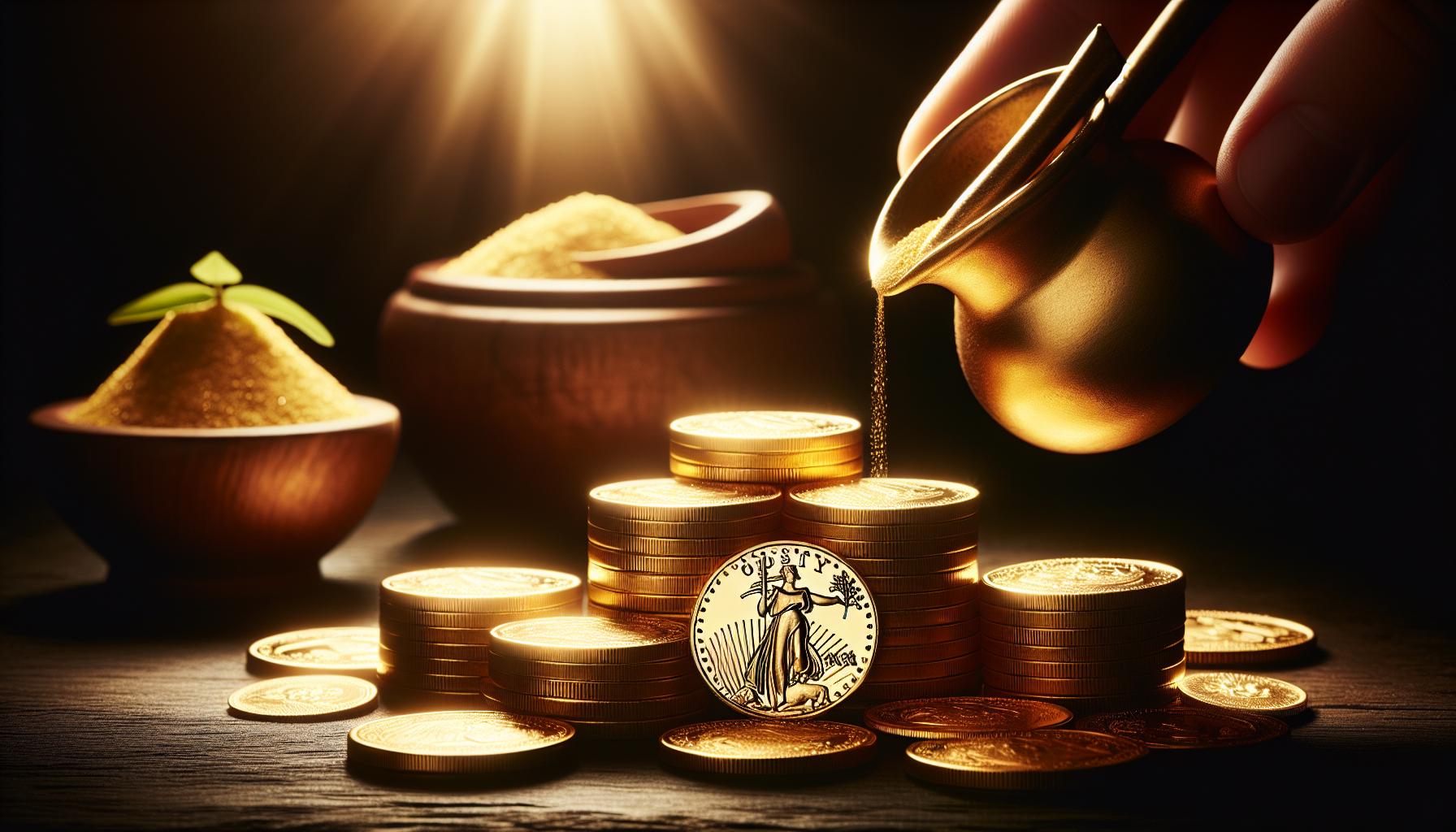
Key Factors to Consider When Selecting Gold Coins for Investment
When it comes to investing in gold coins, not all pieces of gold are created equal. The market is filled with varieties,and understanding the nuances can be the key to maximizing your return on investment. Whether you’re a seasoned collector or just starting your journey in gold coin investment, considering specific factors can help you make informed decisions that align with your financial goals.
Market Demand and Rarity
The value of gold coins can fluctuate depending on their demand in the market and their rarity. Coins that are limited in supply or have a historical significance often fetch higher prices. To effectively navigate this, it’s vital to research the current trends and demands. Here are some aspects to consider:
- Historical Significance: Coins that have an interesting backstory or were minted during pivotal moments often hold their value well. For instance,American Gold Eagles or historical coins from ancient civilizations can attract premiums simply due to their narrative.
- Condition: The coin’s condition, graded on a scale from poor to perfect, significantly impacts its value. Coins in better condition will typically command higher prices, so investing in well-preserved examples should always be a priority.
Gold Content and Purity
Understanding the purity of the gold you are investing in is crucial. Most gold coins are measured in karats, and the purity level can affect both the coin’s intrinsic value and its investment potential. Common gold purity standards are:
| Purity Level | Karat | Gold Content (%) |
|---|---|---|
| 24K | 24 | 99.99% |
| 22K | 22 | 91.67% |
| 18K | 18 | 75% |
Coins with higher gold content typically carry a higher premium, making them more desirable for investors looking for long-term value retention. Always verify the purity before making a purchase to ensure you’re receiving what you expect.
Liquidity and Market Reputation
Lastly, consider the liquidity of the gold coins you aim to buy. Some coins are more readily tradable than others. It’s essential to invest in coins that have a strong market reputation and are recognized internationally. This recognition ensures that you can sell them easily when needed. Look at:
- Well-Known Coins: Investing in popular coins such as the Krugerrand or the American Gold Eagle can provide better liquidity compared to lesser-known varieties.
- Dealer Reputation: When purchasing, always work with reputable dealers who provide certificates of authenticity. This not only ensures the legitimacy of your investment but also aids in future sales.
By weighing these factors—market demand, gold content, purity, and liquidity—you can make more informed choices in your gold coin investments.Take the time to research and understand the market dynamics, and you’ll be better positioned to achieve your investment goals.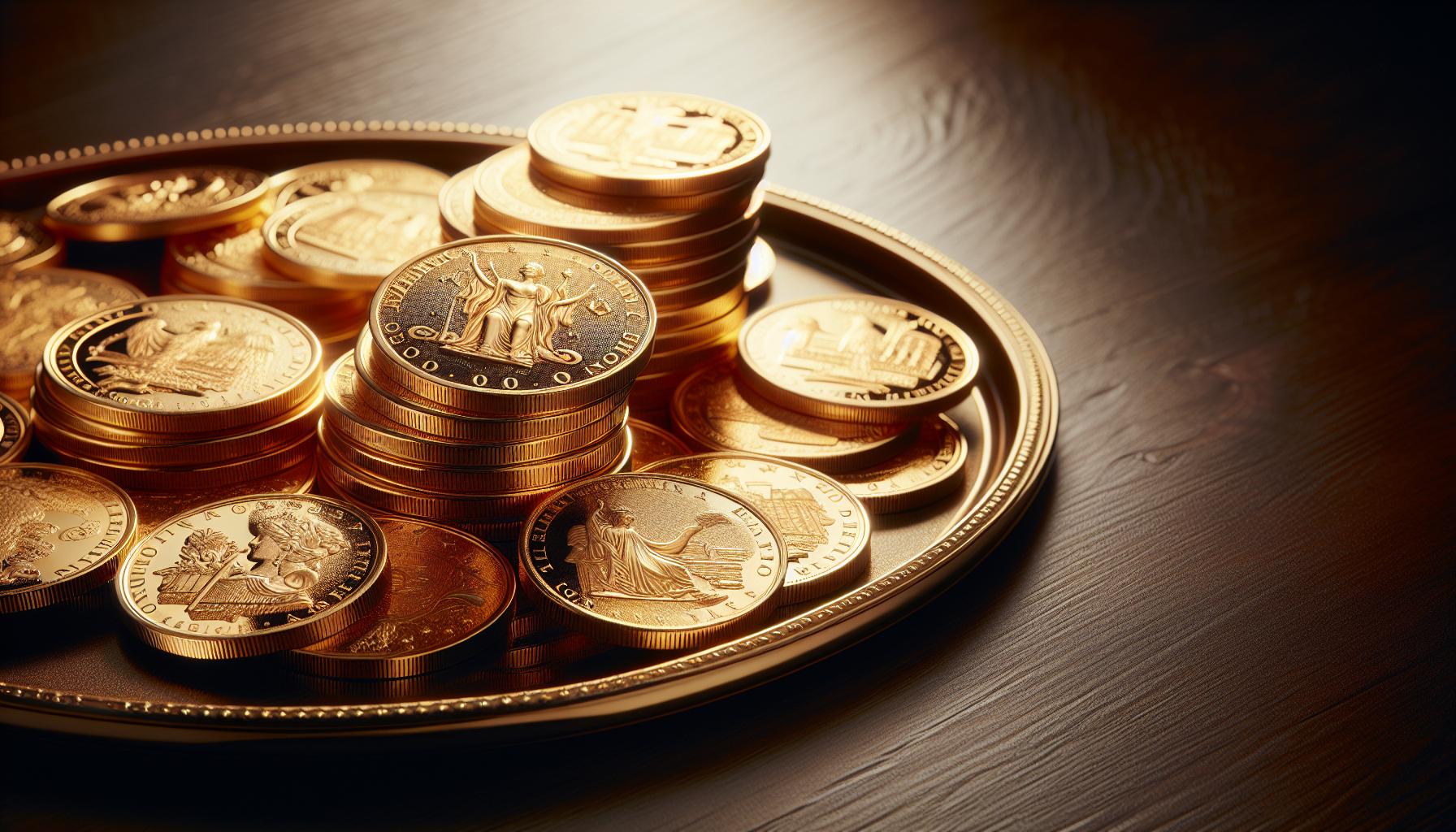
Historical Significance: How Gold Coins Have Shaped Economic Landscapes
throughout history, gold coins have been pivotal in shaping the economic landscapes of nations, serving as both a commodity and a symbol of wealth. From ancient Egypt, where the first gold coins were minted, to their use in trade during the Middle Ages, these coins have been more than mere currency; they have influenced commerce, investment, and even cultural identity. As we explore the historical significance of gold coins, it becomes evident how they have molded economies and transformed societies.
The Role of Gold Coins in Early Economies
Gold coins emerged as a revolutionary advancement in trade and commerce. Unlike bartering systems,which relied on direct exchanges of goods and services,gold coins provided a standardized measure of value. This ease of transaction fostered economic growth and laid the groundwork for modern financial systems. In ancient Lydia, around 600 BC, the first coins were minted, sparking a transformation in commerce by introducing a level of trust and stability that previously did not exist.
- Increased Trade: As gold coins became prevalent,trade routes expanded,leading to enhanced interaction between different cultures.
- Stability: Coins provided a reliable medium of exchange that instilled confidence among traders.
- Government Revenue: Rulers began to use gold coins to fund armies and infrastructure, shaping the course of nations.
Gold Coins as a Hedge Against Inflation
Over centuries, gold coins have served not only as currency but also as a hedge against economic turbulence.In times of inflation, when paper money tends to lose value, gold has remained a reliable store of wealth. During the hyperinflationary period in Germany (Weimar Republic) in the 1920s, gold coins provided a safeguard for citizens’ savings. This historical precedent underscores the enduring nature of gold as an investment,reaffirming its relevance in today’s economic climate.
| Historical Period | Gold Coin Usage | impact on economy |
|---|---|---|
| Ancient Lydia | first introduction of gold coins | Standardized value and ease of trade |
| roman empire | Widespread circulation of gold coins | Stimulated global trade networks |
| Medieval Period | Gold coins as a basis for feudal economies | Contributed to regional stability and governance |
| Modern Era | Investment in gold coins for inflation protection | Resilience against economic downturns |
In contemporary society, the enduring legacy of gold coins is reflected in the practices of collectors and investors. as manny ask themselves, “Do you buy gold coins? Expert collecting tips for better returns,” the historical context enhances the understanding of their value. With gold’s ability to withstand the test of time and its historical significance in shaping economic landscapes, investing in gold coins is not only a nod to the past but a strategic move for the future.
The Role of Minting and rarity in Gold Coin Value
When it comes to collecting gold coins, the concepts of minting and rarity play pivotal roles in determining their value. Understanding these elements not only enhances your collecting experience but also equips you with essential knowledge for making informed purchase decisions. Minting refers to the process of producing coins, and each coin’s rarity can significantly influence its market value.
The Importance of Minting
The minting process includes various factors, such as the coin’s origin, the techniques used, and the materials involved. Coins produced by reputable mints, such as the U.S. Mint or the Royal canadian mint, often carry a higher value due to their established trustworthiness and quality. Here are some key elements relating to minting:
- Year of Minting: Certain years are associated with specific historical events or production techniques, which can affect a coin’s desirability.
- Mint mark: Coins often bear marks that indicate where they were produced. Such as, a ‘P’ mint mark denotes Philadelphia, while an ‘S’ indicates San francisco. Coins from certain mints may be scarce, thereby increasing their value.
- Production Quality: Coins produced with greater precision and less wear tend to be valued higher. Proof coins, as a notable example, are struck with specially polished dies and are typically made in limited quantities.
Rarity: The Golden Ticket
Rarity is another critical factor influencing the value of gold coins. In general, the scarcer a coin is, the more valuable it becomes to collectors and investors alike. Rarities can emerge due to several reasons:
- Limited Mintage: When a coin is produced in limited numbers, demand can exceed supply, driving up its value. Collectors frequently enough seek out such coins to complete their collections.
- Historical significance: Coins tied to significant historical events or periods can be rare, and their storytelling adds allure and value.
- Condition and Grade: The condition of a coin, frequently enough determined by the Professional Coin Grading Service (PCGS) or the Numismatic Guaranty Corporation (NGC), is crucial. Higher grades correspond to better conditions and, consequently, higher value.
Understanding Market Dynamics
The interplay between minting and rarity can lead to unique investment opportunities. Many seasoned collectors suggest keeping an eye on market trends to identify coins that may experience a rise in value due to changes in minting practices or shifts in collector interest.
| Factors influencing Value | Examples of Impact |
|---|---|
| mint Mark | coins from the San Francisco mint often hold a premium. |
| Year of Minting | 1921 Morgan silver Dollars are sought after for their limited number. |
| Rarity | Coins with low mintage, like the 1933 Double Eagle, command millions. |
By understanding the intricate relationship between minting and rarity, collectors can fundamentally improve their strategies. This insight allows them to navigate the vibrant market more effectively, perhaps leading to better returns on their investments, as emphasized in expert collecting guides. Investing in gold coins can be rewarding, but grasping these foundational principles is crucial for achieving long-term success in your collecting journey.
Expert Strategies for Buying and Selling Gold Coins
Investing in gold coins can be both a rewarding and complex venture, requiring a blend of knowledge and strategic insight to maximize returns. For those looking to navigate the gold coin market, understanding the key strategies of buying and selling can make a significant difference. With the right approach, you can enhance your portfolio and enjoy the many advantages that gold coins offer as tangible assets.
Effective Strategies for Purchasing Gold Coins
When considering a purchase, it’s crucial to arm yourself with data.Here are some essential tips:
- Research Market Trends: Before making a purchase, analyze historical price trends and current market conditions. websites dedicated to precious metals pricing can provide valuable insights.
- understand Coin Variants: Familiarize yourself with different types of gold coins, including bullion coins, numismatic coins, and collectible pieces. Each category varies in value and investment potential.
- Buy from Reputable Dealers: Always conduct business with experienced and trustworthy dealers. Look for those who are members of recognized organizations, which can definitely help ensure you’re getting fair pricing and genuine products.
- Consider Timing: Timing your purchase can be favorable. Prices often fluctuate based on market demand and geopolitical factors, so keep an eye on global events that may affect gold prices.
Maximizing Returns when Selling Gold coins
Knowing when and how to sell your gold coins can significantly impact your profits. Consider these actionable strategies:
- Set Clear Goals: Determine what you want to achieve from selling—whether it’s cashing out for immediate financial needs or reinvesting in other assets. Define your target price based on research before listing any coins.
- Evaluate the Market: Just as with buying, understanding market dynamics is crucial when selling. Sell when the market price is favorable to ensure you’re capitalizing on your investment.
- Utilize Online Platforms: consider online auction sites or specialized marketplaces where you can reach a broader audience. This can often yield better prices than local coin shops.
- promote Quality: Ensure that your coins are in excellent condition and provide documentation or proof of authenticity. High-quality images and detailed descriptions can attract more buyers.
Understanding Costs and Fees
To further enhance your buying and selling strategy, it’s important to be aware of the additional costs associated with gold coins.
| Cost Type | Description |
|---|---|
| Dealer Premiums | The markup over the spot price when buying from dealers. |
| Shipping and Handling | Costs associated with transporting coins, especially when buying/selling online. |
| Insurance | Protect your investment during shipping or storage with insurance. |
| Taxes | Be aware of any applicable taxes on capital gains or sales tax in your region. |
By arming yourself with these , you can navigate the world of precious metals with greater confidence and clarity. Employing these tactics will help ensure better returns on your investments in the fluctuating gold market.
Assessing Authenticity: Avoiding Counterfeits in Gold Coin Collecting
Ensuring the authenticity of gold coins is critical for collectors aiming for a valuable return on investment. With the increasing popularity of gold coin collecting, the market has also seen a rise in counterfeit products. Savvy investors need to arm themselves with knowledge and tools to avoid falling victim to fraudulent pieces. Understanding key indicators of authenticity can make the difference between a wise investment and a costly mistake.
Identifying Key Features of Genuine coins
When assessing a gold coin, collectors should become familiar with specific markers that distinguish genuine specimens from counterfeits. Here are several critical aspects to examine:
- Weight and dimensions: Authentic gold coins have specific weights and sizes that correspond to their type. Use a precision scale and calipers to ensure your coin matches these specifications.
- Metal composition: Genuine gold coins typically have specific metal compositions, such as 22-karat or 24-karat gold. Using a gold testing kit can definitely help verify the metal’s purity.
- Design details: Study the coin’s design intricacies, such as lettering and imagery. Counterfeit coins often lack the sharpness and precision found in authentic pieces.
- Mint marks: Check for mint marks that signify the coin’s origin and authenticity, which can often be a telltale sign of counterfeiting.
Leveraging Professional Expertise
One of the most effective strategies for avoiding counterfeits is to seek out professional assistance. Here are some options worth considering:
- Professional grading services: Companies like the Numismatic Guaranty Corporation (NGC) and Professional Coin Grading Service (PCGS) provide authentication services and grade coins to ensure their legitimacy.
- Dealers and numismatists: Reputable dealers often have extensive experience in detecting counterfeits.Establishing a relationship with a trusted dealer can offer invaluable guidance and peace of mind.
- Forums and communities: Engaging in numismatic communities can provide insights from experienced collectors who share tips and warnings about known counterfeit techniques.
Understanding Counterfeit Techniques
Staying informed about the methods used to create counterfeit gold coins can greatly enhance your ability to assess authenticity. Understanding these techniques can definitely help you identify potential fraud before making a purchase. Here are some common practices:
- Fake stamping: Many counterfeiters use stamping methods that fail to replicate the intricate designs found on genuine coins.
- Gold plating: Some fake coins are merely gold-plated objects. A simple scratch test can reveal whether the underlying metal is gold.
- Mismatched specifications: Fake coins frequently enough have discrepancies in weight, size, or metal content that can be detected with careful analysis.
recognizing these red flags and adopting a methodical approach to verification prepares collectors for triumphant transactions.By enhancing your knowledge and utilizing available resources effectively, you’ll be better equipped to navigate the gold coin market, ensuring that your investments yield robust returns over time.
Storage and Maintenance: Protecting Your Gold Coin Investment
When investing in gold coins, protecting your assets is just as important as acquiring them. One of the most significant aspects of securing your investment lies in how you store and maintain your coins. Improper handling and storage can not only diminish the aesthetic appeal of your coins but also affect their market value. Implementing a few best practices can ensure that your gold coins retain their luster and investment value.
Optimal Storage Solutions
Choosing the right storage solution is crucial. Here are some popular options:
- Safe Deposit Boxes: Banks typically offer secure storage for your gold coins. This option provides high security and peace of mind, although it may involve ongoing fees.
- Home Safes: Investing in a high-quality, fireproof safe can allow for convenient access while offering protection against theft.
- Coin Capsules or Sleeves: Utilize protective capsules or sleeves to prevent scratching and tarnishing when displaying or storing your coins at home.
It’s wise to weigh the pros and cons of each option based on your lifestyle and the number of coins in your collection.
Regular Maintenance Practices
While gold is resistant to tarnishing,improper handling can still lead to wear and scratches. Here are some practical tips for maintaining your coins:
- Handle with Care: Always hold coins by the edges rather than the faces to avoid leaving fingerprints or oils that can degrade the surface.
- Cleaning Protocols: Avoid cleaning coins with abrasive materials. If necessary,use a soft microfiber cloth to wipe away dust gently.
- Temperature and Humidity Control: Store your coins in a climate-controlled surroundings to prevent any adverse reactions that can lead to damaging conditions.
Remember, the idea is to maintain the coin’s original state as much as possible, given that a coin’s grade significantly impacts its appeal and value in the marketplace.
The Importance of Documentation
To truly safeguard your investment, keep a meticulous record of your purchases, including certificates of authenticity and receipts. This documentation serves multiple purposes:
| Document type | Importance |
|---|---|
| Certificates of Authenticity | Proves legitimacy and can affect resale value. |
| Purchase Receipts | Establish proof of purchase, aiding in tax reporting and potential insurance claims. |
By maintaining proper storage and diligent maintenance,you can protect your gold coin investment effectively. Incorporating these expert collecting tips ensures not only the longevity of your coins but also enhances your potential returns when you’re ready to trade or sell.
The Emotional Appeal: Collecting Gold coins Beyond Their Monetary Value
when delving into the world of gold coin collecting, it’s easy to focus purely on the financial aspects: the potential for wealth preservation and investment returns. Though, the allure of collecting gold coins extends far beyond mere monetary value. These precious artifacts encapsulate history, culture, and personal stories, making them treasures with profound emotional resonance. As you explore the possibilities within this captivating hobby, you might find that the true joy of collecting lies in the connections forged with the past and the experiences shared with fellow enthusiasts.
Connecting with history
Engaging with gold coins allows collectors to immerse themselves in significant historical narratives. Each coin may represent a unique era, political figure, or even a pivotal event. For instance, collecting ancient coins from the Roman Empire not only opens a window to the past but also enables collectors to appreciate the artistry and craftsmanship of bygone artisans. When you acquire a coin, you step into a relationship with history itself, feeling a connection to the individuals who once held it.
A Sense of community
Being part of the gold coin collecting community enriches the experience. whether you engage with local clubs, attend coin shows, or join online forums, sharing your passion with others enhances your journey. The bonds created through discussions on coin rarity,sharing stories of acquisition,or seeking advice on preservation can be deeply satisfying. This community has a wealth of knowledge and camaraderie that can transform your collecting experience into a rewarding social endeavor.
- Building Friendships: Connect with fellow collectors who share your interests.
- Learning Opportunities: Attend lectures and workshops to expand your knowledge.
- Networking: Discover potential trade opportunities or investment advice.
Personal Legacy
Gold coin collecting can also serve as a meaningful way to create and pass on personal legacies. Many collectors choose to share their passion with family members, fostering learning opportunities about history, finance, and even art. By introducing the next generation to the joys of collecting, you provide them with not only valuable knowledge but also a meaningful way to connect with their heritage.
Additionally, if you take great care in your collection, it can become a cherished family inheritance—imbued with memories and stories that make it irreplaceable. To facilitate this connection, consider documenting the stories behind your acquisitions in a journal or family album, including details about the coins’ origins and their significance.
| Benefits of Collecting Gold Coins | description |
|---|---|
| Historical Significance | Coins act as a portal to understanding different cultures and epochs. |
| Community Engagement | forge relationships with fellow enthusiasts and experts. |
| Creating Traditions | Involve family members to pass on knowledge and passion. |
| Artistic Appreciation | Admire the intricate designs and craftsmanship in each coin. |
while financial returns on gold coin investments can be enticing, it’s the emotional connections—both personal and communal—that often make this pursuit profoundly rewarding. as you navigate this fascinating hobby, embrace the history that each piece represents, the friendships you can forge, and the legacy you can build through your collection.
Tax Implications and Legal Considerations in Gold Coin Ownership
Owning gold coins can be an enticing venture for collectors and investors alike, but it’s crucial to understand the tax implications and legal considerations that accompany this investment. Navigating these complexities can significantly impact your returns and overall experience when engaging in this market. For instance, the Internal Revenue Service (IRS) classifies gold coins and bullion as collectibles.This classification has implications for how you report profits and calculate taxes, making it essential to familiarize yourself with the pertinent regulations.
Tax Responsibilities for Gold Coin Owners
When selling gold coins, capital gains tax applies to the profit from the sale, which is the difference between the selling price and the purchase price. for collectibles, including gold coins, the capital gains tax rate can reach up to 28%, as opposed to the standard long-term capital gains tax rates that apply to stocks and other investments. Being aware of this rate is crucial for maintaining a clear picture of potential returns.
here’s a breakdown of capital gains tax in relation to gold coin ownership:
| Type of Gain | Tax Rate |
|---|---|
| Short-Term Capital Gain | Ordinary Income Tax Rates (10% – 37%) |
| Long-Term Capital Gain (held for > 1 year) | Collectibles Tax Rate (Up to 28%) |
Record-Keeping and Compliance
To protect yourself, meticulous record-keeping is essential. Document all transactions, including purchase receipts, invoices, and any correspondence related to the sales of your gold coins. This information will be necessary for accurately reporting capital gains or losses when it comes time to file your taxes. Moreover,retaining records can definitely help clarify any questions or disputes that may arise from the IRS regarding your investment.
legal Considerations in Gold Coin Collecting
In addition to tax implications, legal considerations are integral to a successful gold coin collecting experience.For instance, regulations surrounding the sale and transport of precious metals may vary by state and country, and lack of compliance can result in hefty fines or penalties. researching local laws is crucial, as not all states have the same rules regarding gold investments.
Furthermore,ensuring the authenticity and proper grading of gold coins can prevent potential fraud. Acquiring coins from reputable dealers and obtaining third-party certifications can bolster the legitimacy of your collection. Ignoring these legal aspects could not only diminish the value of your investment but could also lead to legal disputes that might endanger your collection. As you delve into your passion for gold coin collecting, staying informed about tax and legal responsibilities is just as vital as understanding the market trends, ensuring that your pursuit remains enjoyable and profitable.
Q&A
Do you buy gold coins? Expert collecting tips for better returns?
Yes, buying gold coins is a widely recognized investment strategy. For better returns, focus on coins with intrinsic value, historical significance, and market demand. Learning about the different types of gold coins can help you make informed decisions.
Investors frequently enough gravitate towards coins like American Gold Eagles and Canadian Gold Maple Leafs due to their recognized purity and liquidity. Understanding the market trends can also maximize your returns when buying or selling gold coins.
What is the best type of gold coin to invest in?
The best type of gold coin to invest in generally includes bullion coins. These coins represent direct investment in gold and are favored for their purity and authenticity.
Popular options include the Krugerrand, Gold Buffalo, and other national mint coins. Understanding factors like minting quality and historical significance can significantly impact their future resale value.
Why does the condition of gold coins matter?
The condition of gold coins is crucial as it affects their market value. Coins in pristine condition tend to fetch higher prices among collectors and investors.
Factors such as grading scales (like the Sheldon Scale) highlight differences in value based on wear and tear. Coins that maintain their original surface and details can appreciate significantly over time.
Can I sell my gold coins anytime?
Yes, you can sell your gold coins at any time. However, be aware that the price may fluctuate based on current market conditions.
Having a trusted dealer who offers competitive prices is vital. For tips on selling your coins effectively and maximizing returns, refer to our article on selling gold coins for profit.
How do I determine the value of my gold coins?
The value of gold coins is determined by several factors, including intrinsic gold value, rarity, and condition. You can assess their worth using online resources and price guides.
It’s advisable to consult with professional appraisers, especially for rare coins, to achieve an accurate valuation. Websites dedicated to precious metals may also offer up-to-date prices,ensuring you stay informed.
What are the tax implications of buying gold coins?
Buying gold coins can have tax implications, including capital gains taxes upon selling. It’s essential to understand how different countries tax precious metals.
Consulting with a tax professional familiar with precious metal investments ensures compliance and can definitely help you strategize for potential tax liabilities, especially during high-value sales.
How can I protect my gold coin investment?
To protect your gold coin investment, store them securely and ensure proper insurance coverage. A safe deposit box or home safe can protect against theft and damage.
Consider using protective coin holders to prevent physical deterioration. Regularly assessing your portfolio and market conditions ensures you make timely decisions about your gold coins.
Concluding Remarks
As we conclude our exploration into the world of gold coin collecting, it’s clear that informed decisions can lead to ample returns. Understanding the types of coins,their historical significance,and market dynamics is essential for maximizing your investment potential. Whether you are an avid collector or a newcomer, the key takeaways here are to prioritize authenticity, stay updated on market trends, and consider the long-term value of your purchases.
We invite you to delve deeper into the fascinating realm of gold by engaging with our upcoming articles and resources. Each piece will empower you with knowledge, enhance your appreciation of gold’s significance, and help you navigate the intricacies of this dynamic market. Have questions or specific topics you’d like us to cover? Feel free to reach out; your insights are invaluable as we continue this journey together. happy collecting!


