

Are you unsure whether your gold jewelry or coins are the real deal? Distinguishing genuine gold from fakes is crucial for collectors and enthusiasts alike. This ultimate guide will provide you with an authenticity checklist, empowering you to confidently assess your gold items and make informed decisions about their value.
Understanding Karats: The Gold Purity Scale Explained
Gold has captivated humanity for centuries, not just for its breathtaking beauty but also for its intrinsic value. One critical aspect to consider when assessing gold items is their purity, which is measured in karats.Understanding this purity scale is essential not only for authenticating gold but also for making informed purchasing decisions.
What Are Karats?
Karats (often abbreviated as “K”) represent the ratio of pure gold in an alloy. The term “karat” derives from the carob seeds historically used to weigh precious stones and metals. Pure gold is defined as 24 karats, meaning that it consists of 99.9% gold content. However, most gold jewelry is an alloy, where other metals like copper, silver, or palladium are mixed with gold to enhance durability and reduce the cost.
Understanding Gold Purity Levels
Here’s a simple breakdown of common karat values and their corresponding gold content:
| Karat | Gold Content | Percentage (%) |
|---|---|---|
| 24K | Pure Gold | 99.9% |
| 22K | 22 Parts Gold, 2 Parts Alloys | 91.7% |
| 18K | 18 Parts gold, 6 Parts Alloys | 75.0% |
| 14K | 14 Parts Gold, 10 Parts Alloys | 58.3% |
| 10K | 10 Parts Gold, 14 Parts Alloys | 41.7% |
When assessing the purity of gold, it’s crucial to note how karat values influence not only the material’s appearance but also its price and resistance to tarnishing. For instance, while 24K gold offers a brilliant yellow hue and offers maximum softness, it’s not suitable for everyday wear due to its susceptibility to scratches and dents. On the other hand, 14K and 18K gold, having lower gold content, provide greater durability, making them ideal for more intricate and frequently worn pieces.
Practical Insights for Verification
Knowing how to evaluate karats can significantly aid in determining the authenticity of gold items. Here are a few practical methods for verifying gold purity:
- Look for a hallmark or stamp, typically found on the inner band of jewelry, indicating its karat.
- Conduct a simple acid test,which can reveal the gold’s purity through a chemical reaction.
- Visit a reputable jeweler or appraiser who can provide professional verification.
By becoming familiar with karats and their implications for gold purity, you arm yourself with the knowledge necessary to navigate the world of gold jewelry with confidence.Whether you’re evaluating a family heirloom or considering a new purchase, understanding this purity scale is an essential step in knowing if it’s solid gold.
Visual Clues: Recognizing Genuine Gold in Jewelry
When it comes to selecting jewelry, a discerning eye can mean the difference between a wise investment and a costly mistake.Genuine gold jewelry is not only an aesthetic choice but also a statement of value and quality. Recognizing visual clues can definitely help you navigate the intricate world of gold jewelry and ensure that your purchase is worth every penny.
One of the first visual indicators to consider is the color of the gold. True gold has a distinctive rich yellow hue that doesn’t fade over time. while white gold and rose gold variations exist, these colors should still exhibit a warm, metallic luster.Be wary of jewelry that appears overly dull or has discoloration, as this may indicate a lower-quality alloy or even a gold-plated piece. Furthermore, check for inconsistencies in color; genuine gold jewelry should have a uniform look across all surfaces.
Weight Matters
Another crucial visual clue is the weight of the jewelry.Gold has a high density and therefore should feel noticeably heavy in your hand compared to other materials. If a piece of jewelry seems unusually light, it might potentially be a sign that it’s not solid gold. When comparing similar pieces, you may find that genuine gold holds a distinct heft that plastic or mixed metals cannot replicate.
Inspecting for Hallmarks
Many authentic gold pieces will bear hallmarks—tiny stamps indicating the karat, manufacturer, or country of origin. These marks serve as your reassurance that the jewelry adheres to specific quality standards.Common hallmarks include:
| Mark | Description |
|---|---|
| 10K | 10 parts gold, 14 parts other metals |
| 14K | 14 parts gold, 10 parts other metals |
| 18K | 18 parts gold, 6 parts other metals |
| 24K | Pure gold (24 parts gold) |
Make sure to inspect these stamps carefully; they can typically be found on the clasp, inside a ring band, or in an inconspicuous area of a jewelry piece. If there are no hallmarks present, this could signal a lack of authenticity.
Embracing these visual clues not only enhances your ability to distinguish genuine gold from imitations but also empowers you as a savvy consumer in the jewelry market.Keep these tips in mind during your search for authentic gold, and use them as part of your toolkit on how to know if it’s solid gold. Happy hunting!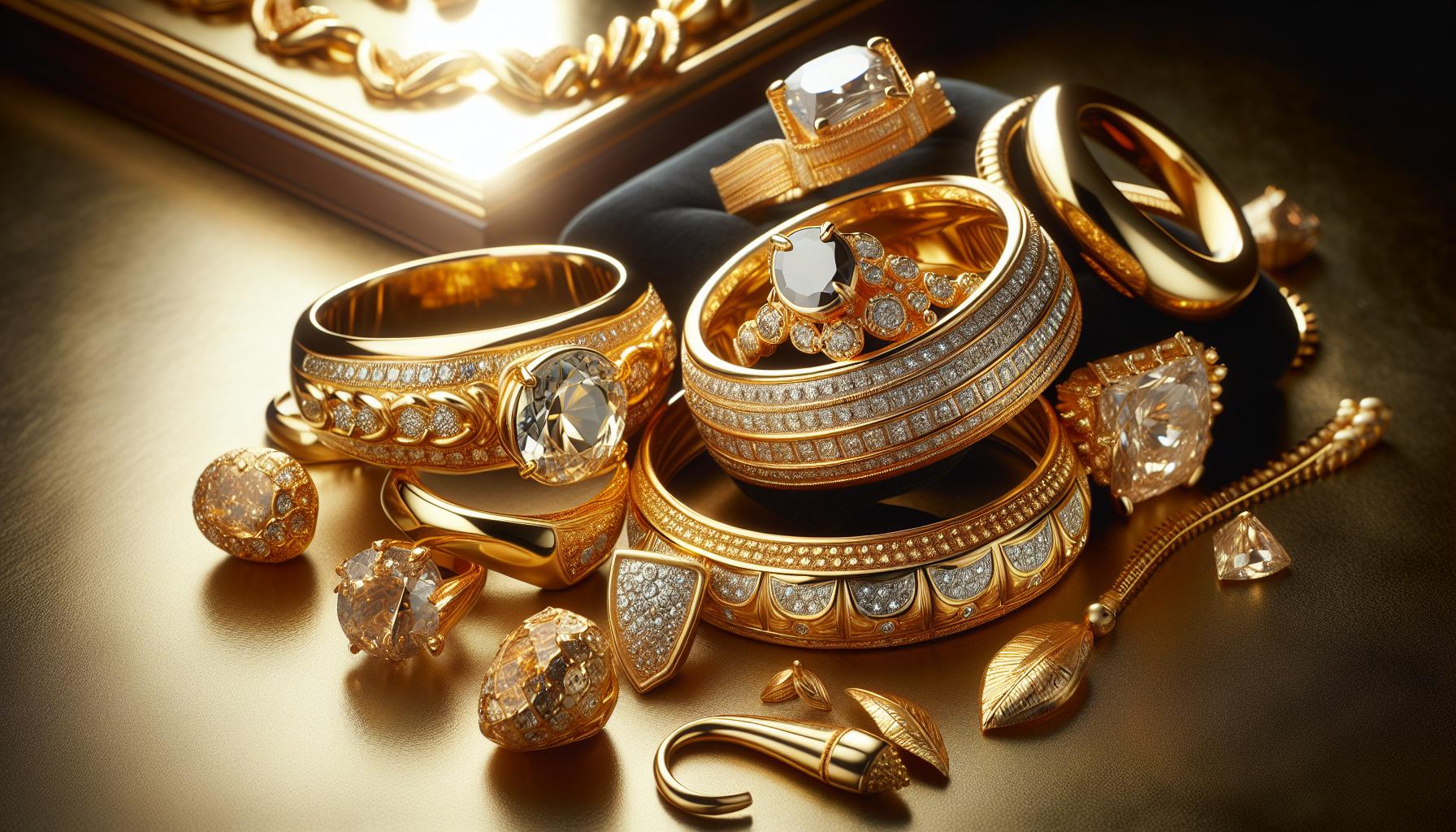
Essential tools for Testing Gold Authenticity at Home
In a world where gold is not only a symbol of wealth but also a potential investment,knowing how to verify its authenticity is crucial.Being armed with the right tools can make the process of determining whether your gold is solid or merely plated far more straightforward. By utilizing a few essential items,you can easily conduct tests at home,giving you confidence in your treasures.
Critical Instruments for home Testing
When verifying the authenticity of gold, a few essential tools can prove invaluable:
- Gold Testing Kit: These kits come complete with acid testing solutions that react differently with various karats of gold. A comprehensive kit usually includes a testing stone, diffrent acids for different karat levels, and instructions to guide you through the process.
- Magnet: Gold is not magnetic. If your gold piece is attracted to a magnet, it’s likely not solid gold. This simple test can give you immediate insight into the metal’s authenticity.
- Scale: Use a digital scale to weigh your gold item. By knowing its density, you can compare the actual weight versus expected weight for gold, which is about 19.32 grams per cubic centimeter.
- Jeweler’s Loupe: This magnifying tool allows you to closely inspect the gold for any signs of wear or scratching that can indicate a lower-quality metal underneath. Look for any visible markings like “10K,” “14K,” or “24K,” which indicate the gold content.
Visual Guide to Gold Markings
When identifying whether your gold is authentic, checking for distinctive markings is essential. Here is a table outlining common gold stamps and what they signify:
| Stamp | Karat | Purity |
|---|---|---|
| 24K | Pure Gold | 99.9% |
| 22K | 22 Parts Gold | 91.7% |
| 18K | 18 Parts Gold | 75.0% |
| 14K | 14 Parts gold | 58.3% |
| 10K | 10 Parts Gold | 41.7% |
These tools combined will help you in your quest to ascertain the value of your gold and provide peace of mind. The next time you ponder, “How to know if it’s solid gold?” remember that with these essential instruments at your disposal, you can confidently explore your collection.
Professional Appraisals: When and How to Seek Expert Advice
Navigating the realm of gold jewelry or collectibles can frequently enough feel like a daunting task,especially when faced with the challenge of determining authenticity. The allure of solid gold is undeniably captivating; however, the risk of falling victim to counterfeit pieces or improperly assessed items is a reality many collectors face. Seeking professional appraisals is an essential step for anyone serious about ensuring their investments are authentic and valuable.
When to Seek Professional assistance
Identifying the right moment to consult an expert can significantly impact both your peace of mind and the potential return on investment. consider reaching out to a professional appraiser in the following circumstances:
- Uncertainty of Authenticity: If you are unsure whether a piece is genuine solid gold or just gold-plated, an expert can verify its composition.
- Value Assessment: Prior to selling, insuring, or gifting a piece, getting a professional appraisal can provide an accurate valuation based on current market trends.
- collecting for Investment: Investors looking to expand their portfolios with high-value gold items should consult professionals to avoid costly mistakes.
- Heirloom Assessment: Family treasures may require additional context, especially if they have been passed down through generations.
How to Choose the Right Appraiser
Choosing the correct appraiser is crucial for receiving a trustworthy and reliable evaluation. Here are key factors to consider:
- Credentials: Look for certified appraisers who are members of recognized professional organizations (e.g., the American Society of appraisers).
- Experience: Ensure the appraiser has extensive experience specifically with gold and similar items to guarantee a well-informed evaluation.
- Specialization: Some appraisers focus on antique jewelry, while others may be experts in modern pieces. Choosing one that aligns with your specific item ensures a more accurate appraisal.
- Reviews and References: Research past client experiences and check online reviews to ensure the appraiser has a good reputation.
Before finalizing your appraisal, have all relevant documentation ready, including any receipts, previous appraisals, or provenance details that could assist in the valuation process. This preparation not only sharpens the appraisal’s accuracy but also demonstrates your commitment to openness and clarity in the assessment process.
The Importance of Hallmarks: What to Look For
The quest for genuine solid gold pieces often leads buyers down a winding path of uncertainty. Fortunately, the presence of hallmarks serves as an invaluable guide, enabling consumers to discern authenticity amid a sea of imitations. Hallmarks not only confirm that an item is made from solid gold but also provide essential data regarding its purity, origin, and maker. Understanding these markers can empower you to make informed purchases and ensure that your investment is sound.
What are Hallmarks?
Hallmarks are official marks stamped on precious metals,primarily to certify their purity and authenticity. These insignias are often found on jewelry and can be a combination of letters, symbols, and numbers. The most essential aspect of a hallmark is the carat rating that indicates the gold’s purity. As a notable example:
- 24K: 100% pure gold
- 22K: 91.6% gold
- 18K: 75% gold
- 14K: 58.3% gold
- 10K: 41.7% gold
Each stamp signifies a particular percentage of gold in the alloy, reflecting the quality and value of the piece. It’s significant to look closely at these markings, as they help you understand exactly what you’re purchasing.
Recognizing Authentic Hallmarks
Knowing what to look for in hallmarks can significantly ease your frustration when trying to establish whether your piece is solid gold. Typically,hallmarks are located in inconspicuous places—on the interior of rings,beneath necklace clasps,or on the backs of earrings. If you’re unsure how to locate these marks,consider these steps:
- Use Magnification: If the hallmark is difficult to see,a jeweler’s loupe or magnifying glass can help bring clarity.
- Research the Symbols: Each country has its hallmarking system. Familiarizing yourself with what these symbols mean can aid in authentication.
- Consult an Expert: If you’re still uncertain, visiting a jeweler who specializes in hallmarks can provide you with expert verification.
Common hallmarking Systems
Different countries have various hallmarking systems, which makes it essential for buyers to know the context around the pieces they are considering. The following table outlines some common hallmarking systems across the globe:
| Country | Common Hallmarking symbols | Notes |
|---|---|---|
| United Kingdom | Lion Passant for silver,Britannia for higher purity | Requires a hallmark from a recognized assay office. |
| United States | ‘K’ followed by carat number (e.g., 14K) | No legal requirement for hallmarking, but standard practice. |
| European Union | Various symbols representing purity and country of origin | Hallmarks must include a obligation mark. |
| India | BIS logo with carat mark | Mandatory for gold jewelry to ensure quality. |
By paying attention to these hallmarks, their locations, and the specific systems in use, you can identify credible solid gold items with confidence. empower yourself with this knowledge as part of your journey outlined in the “How To know If It’s Solid Gold? Ultimate Authenticity Checklist,” and elevate your jewelry buying experience.
gold vs. Imitations: Spotting Counterfeits Effectively
When it comes to purchasing gold jewelry or investments, knowing how to distinguish between genuine gold and imitations can save you from costly mistakes. The world of fake gold is rife with clever counterfeits that can deceive even experienced buyers. Recognizing these imitations not only requires keen observation but also an understanding of the materials and markings associated with legitimate gold. Armed with the right knowledge, anyone can effectively tell the difference between solid gold and its less valuable counterparts.
Key Characteristics of Authentic Gold
To confidently identify genuine gold pieces, it’s essential to familiarize yourself with certain characteristics. Authentic gold jewelry will typically have a hallmark or stamp indicating its purity. The most common marks include:
- 10K: 41.7% gold
- 14K: 58.3% gold
- 18K: 75.0% gold
- 22K: 91.7% gold
- 24K: 99.9% gold (pure gold)
It’s worth noting that if a piece lacks any marks, it is advisable to approach with caution.Copious counterfeit gold items often ignore this standard, leaving out quality stamps in their quest for authenticity.
Testing Methods to Uncover Imitations
An essential part of the ultimate authenticity checklist involves conducting practical tests to evaluate a piece’s gold status. Here are a few effective methods you can utilize:
| Test Method | Description | Pros | Cons |
|---|---|---|---|
| Magnet Test | genuine gold is not magnetic. If it sticks to a magnet, it’s likely fake. | Simple and rapid. | Some imitations may be non-magnetic as well. |
| Acid Test | Apply a small drop of nitric acid to a scratch on the gold piece. Authentic gold won’t react. | Very effective for identifying purity. | Can damage the item if not handled properly. |
| Weight Test | Measure the gold item’s weight. Compare it with known gold weights based on size. | Quick overall assessment. | Requires reference gold weights. |
Each testing method presents its advantages and potential drawbacks. It’s wise to combine several techniques for a more thorough evaluation, ensuring your investment in gold is authentic.
Stay Informed: The Latest Trends in Gold Counterfeiting
Awareness of current trends in gold counterfeiting can provide a significant edge in spotting fakes. New technologies allow counterfeiters to create highly convincing replicas that can mimic not just gold’s appearance but also its weight and feel. Regularly educate yourself on these trends and stay updated with industry journals or online resources focused on precious metals. Being informed will enhance your ability to navigate the marketplace confidently and recognize any discrepancies that might indicate counterfeiting.
while the market may have its fair share of imitations, being equipped with a knowledge of authenticity markers, effective testing methods, and the most recent counterfeit trends empowers you to make informed buying decisions. Just remember: vigilance is key to ensuring that your jewelry and investments are truly golden.
The Role of Color and Weight in Determining pure Gold
When it comes to identifying solid gold, one of the most telling indicators is its distinctive color and weight. Real gold has a unique luster that sets it apart from imitation metals, but the nuances of hue can also provide significant clues regarding purity. Understanding these characteristics not only enhances your thankfulness for gold but also equips you with essential tools for determining authenticity.
Color of Pure Gold
The rich and vibrant yellow hue of gold is iconic and often serves as the first indicator of its authenticity. Pure gold is almost always a deep, buttery yellow, thanks to its high gold content.However, the color can vary depending on the metal alloys mixed with it. For instance:
- 18k Gold: Contains 75% gold and has a warm yellow tone, slightly less dazzling than pure gold.
- 14k Gold: Comprising 58.3% gold, this alloy comes off as a paler yellow and may appear more muted.
- 10k Gold: With just 41.7% gold, it often has a more pronounced white or red hue, depending on the alloys used.
Recognizing these color variations allows you to make more informed assessments of gold’s purity. If you’re scrutinizing a piece and it exhibits an atypical color—such as a greenish or overly shiny yellow—it could be a sign that the gold is mixed with metals or is simply not gold at all.
Weight of Gold
another critical element to consider in your quest to ascertain whether an item is solid gold is its weight. Gold is a heavy metal, meaning that an object made from pure gold will feel significantly denser than its counterparts made from other materials or cheaper alloys. Such as, gold’s density averages around 19.3 g/cm³, distinctly higher than common base metals like aluminum or brass.
To practically assess weight, use a simple balance scale for smaller items or a jeweler’s scale for precision.If you suspect a piece might be gold but feel it’s unusually light, that could be a red flag indicating lower purity or a different material altogether.
| Metal Type | Density (g/cm³) | Weight (example for 1 inch³) |
|---|---|---|
| Gold | 19.3 | 19.3 grams |
| Silver | 10.5 | 10.5 grams |
| Brass | 8.5 | 8.5 grams |
| Aluminum | 2.7 | 2.7 grams |
By combining an understanding of gold’s weight with its rich color, enthusiasts and potential buyers alike can make significant strides in determining authenticity. Whether you’re following the ultimate authenticity checklist or simply want to ensure you’re investing wisely, paying attention to these two aspects can provide valuable insights into the true nature of the gold in question.
Caring for Your Gold: Maintenance Tips for Longevity
Gold jewelry is not only a timeless investment but also an exquisite fashion statement.To ensure that your cherished pieces maintain their luster and beauty, effective maintenance is essential.Understanding how to care for your gold items can significantly enhance their longevity and preserve their authentic appeal. Here are some straightforward yet impactful tips to keep your solid gold jewelry looking impeccable.
Regular Cleaning Practices
One of the most effective ways to maintain your gold jewelry is through regular cleaning.Consider incorporating the following practices into your routine:
- Gentle Soap and Water: Mix mild dish soap with warm water, and using a soft cloth or toothbrush, gently scrub your gold pieces. This will help remove any dirt and oils without scratching the surface.
- Professional Cleaning: Every few years, it’s beneficial to take your jewelry to a professional jeweler for a more thorough cleaning, especially for intricate pieces.This ensures that they remain in pristine condition and are inspected for any potential damage.
- Avoid Harsh Chemicals: stay clear of bleach, ammonia, or any abrasive cleaners, as these can damage the gold and its finish.
Proper Storage Solutions
How you store your gold jewelry can have a significant impact on its longevity. Here are some effective strategies:
- Jewelry Boxes or Pouches: Use a lined jewelry box or cloth pouches to store your gold. This helps prevent scratches and tangling with other pieces.
- Separate Storage: store each piece separately to avoid contact with other jewelry, which can lead to scratching or tarnishing.
- Humidity Control: Keep your jewelry in a dry place. High humidity can promote tarnishing,especially if your gold has alloy metals mixed in.
Wear with Care
being mindful of when and how you wear your gold jewelry can also prolong its lifespan. Consider these tips:
- Remove During Activities: Take off your gold jewelry when exercising, swimming, or using harsh chemicals (like during cleaning or gardening) to minimize wear and tear.
- Avoid Direct Contact: Limit exposure to perfumes, lotions, and hair products, as these can leave residues that dull the finish of your gold over time.
Knowing When to Seek professional Help
While care and maintenance can extend the life of your jewelry, sometimes professional help is warranted. Regular inspections by a jeweler can alert you to loose stones or weakened clasps before they become problematic. Keeping a close check ensures that you catch small issues early, thereby avoiding costly repairs later.
Implementing these straightforward maintenance tips can be the key to enjoying your solid gold jewelry for years to come. By doing a little bit of diligence in your cleaning, storage, and wearing habits, your gold pieces will not only maintain their shine but also remain authentic markers of beauty and elegance.
FAQ
How To know If It’s Solid Gold?
How can I tell if my jewelry is solid gold?
To determine if jewelry is solid gold, look for a hallmark indicating karat quality, typically 10K, 14K, 18K, or 24K.Additionally, check for weight and color consistency.
Gold jewelry is often stamped with a karat marking, which signifies its gold content. As an example,24K gold is pure,while 14K contains 58.3% gold. Weight can also signify authenticity; solid gold feels heavier than gold-plated items. For more tips on identifying gold,refer to our comprehensive guide on gold authentication techniques.
What is the difference between solid gold and gold-plated items?
solid gold consists of pure gold metal, while gold-plated items have a thin layer of gold applied to a base metal. This coating can wear off over time, reducing value.
Solid gold is valued for its durability and resistance to tarnish. In contrast, gold-plated jewelry may look appealing initially, but the underlying metal can tarnish and affect appearance. Understanding these differences is crucial for making informed buying decisions.
Why dose gold have different karat ratings?
Different karat ratings indicate the purity of gold in an alloy. Higher karats mean a higher percentage of gold, affecting both value and softness.
Karat ratings range from 10K (41.7% gold) to 24K (100% gold), influencing durability and price. Such as, while 24K gold is malleable and pure, it’s less suitable for everyday jewelry due to its softness.
Can I test gold at home for authenticity?
Yes, you can test gold at home using simple methods like the acid test or a magnet test. These tests help confirm if your item is solid gold.
The acid test involves applying a specific acid to a small scratch on the item. If it resists the acid, it is indeed likely solid gold. _Magnetic tests_ are also useful; genuine gold is non-magnetic, so if a magnet is attracted, the item likely contains little to no gold.
What are the signs of fake gold?
Signs of fake gold include lack of a hallmark, discoloration or fading, and excessive lightweight. These factors can indicate that the item is not solid gold.
For example, if jewelry exhibits tarnishing or fading, chances are it is gold-plated rather than solid gold. Additionally, an absence of a karat mark can be a red flag, indicating potential inaccuracies in claims of authenticity.
How do I care for solid gold jewelry?
Caring for solid gold jewelry involves regular cleaning and proper storage. Use a soft cloth to polish and a mild soap solution to clean.
Always store gold jewelry in a dry place, preferably in a soft pouch or separate compartments to avoid scratches. This maintenance helps retain its luster and value over time.
Wrapping Up
In wrapping up our ultimate checklist for determining the authenticity of solid gold, we’ve navigated essential techniques—from assessing karat marks and conducting magnet tests to utilizing nitric acid and specific density measurements. Remember, understanding what to look for in your gold not only empowers you as a learned consumer but also helps you make informed decisions, whether for investment purposes or cherished personal pieces.
As you continue your exploration of gold’s captivating journey—from its historical importance to its role in modern economics—don’t hesitate to engage with us further.Your questions and curiosities are invaluable, and our aim is to provide you with the most accurate and reliable information. Dive deeper into our resources, share your experiences, or reach out for personalized advice. The world of gold holds endless intrigue,and we’re here to guide you every step of the way.Happy exploring!


