
Concerned about the authenticity of your gold jewelry? Knowing how to verify whether your gold is genuine can save you significant money and heartbreak. This guide outlines simple DIY methods to test gold at home, empowering you to identify real gold quickly and effectively—ensuring your treasures are as valuable as they seem.
Understanding the Basics of Gold and Its Authenticity
Gold has captivated humanity for centuries, not just for its intrinsic beauty but also for its past significance as a symbol of wealth and power. Understanding gold begins with recognizing its composition—often measured in karats (K) which tells us how pure the gold is. Higher karat numbers indicate purer gold. For instance, 24K gold is 99.9% pure, making it the most expensive and malleable, while 14K gold, which contains 58.3% gold mixed with other metals, is often preferred for its durability and cost-effectiveness.
The Importance of Authenticity
When it comes to gold, authenticity is paramount. The market is saturated with counterfeit products that can easily deceive the untrained eye. By understanding the characteristics and methods to test gold, you can confidently ascertain the authenticity of your possessions. Whether it’s a family heirloom or an impulsive purchase, knowing how to verify its value can save you from making costly mistakes.
Consider these key factors in assessing gold authenticity:
- Color: Genuine gold features a distinct yellow hue,while faux gold may appear brassy or dull.
- Weight: Gold is notably dense. A genuine gold item may feel heavier than a similar-sized piece made of other metals.
- Stamp or Markings: Check for stamps indicating the karat value, although some fakes may carry misleading stamps.
DIY Testing Methods
Engaging in hands-on techniques can help you determine if your gold is genuine. Below are some simple DIY methods you can use at home:
| Method | Description |
|---|---|
| Float Test | Place the gold in a glass of water. Genuine gold will sink, while fake pieces may float. |
| Magnet test | Gold is not magnetic. Use a magnet to check if the piece is attracted to it. |
| Acid Test | Apply a drop of nitric acid to the gold.If it dissolves, it’s not real gold. |
By employing these straightforward methods, you can enhance your understanding of how to verify genuine gold from the comfort of your home. This knowledge not only empowers you in identifying authentic pieces but also enriches your gratitude of gold’s unique properties.
essential Tools for Home Gold Testing
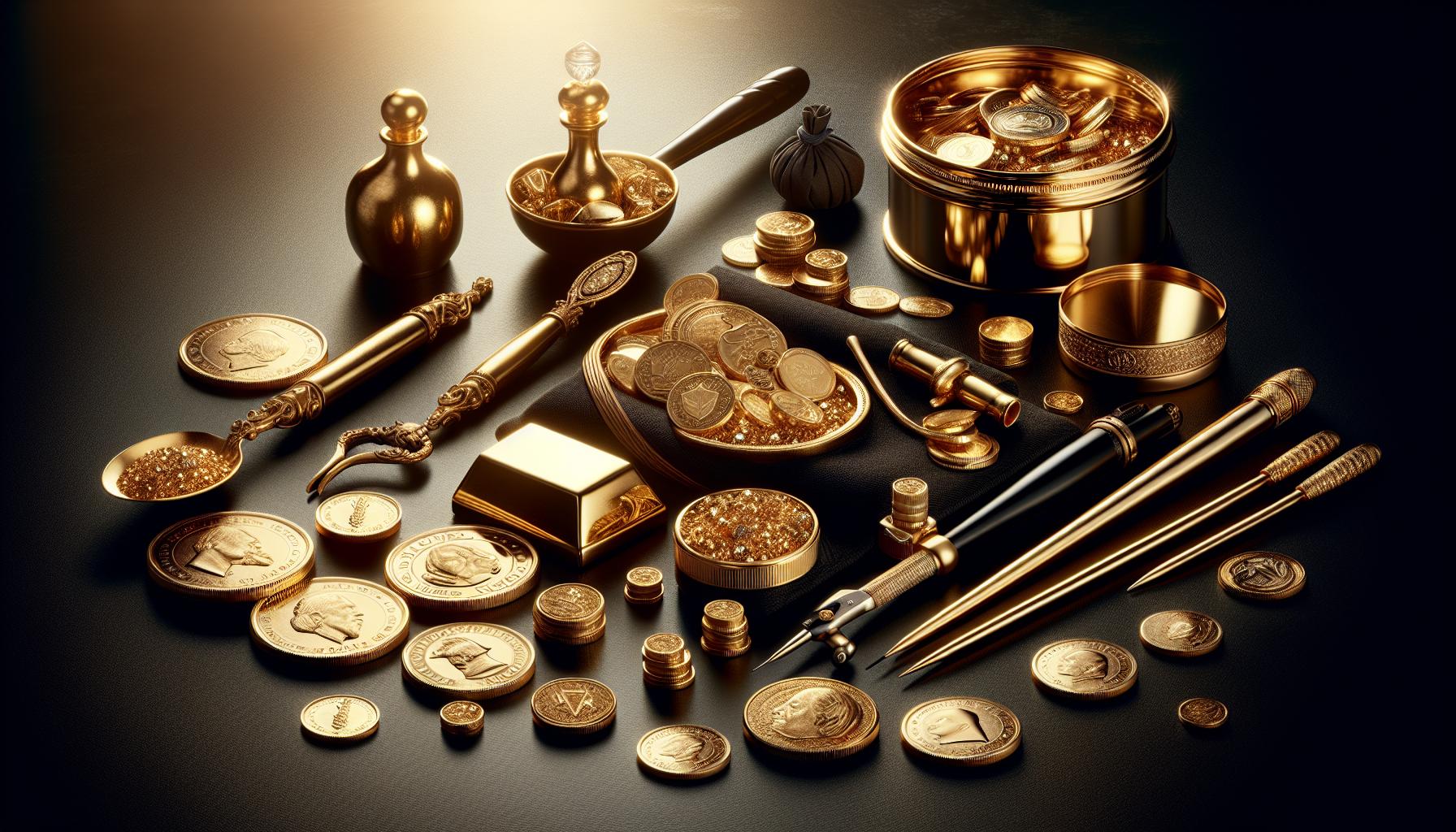
When it comes to verifying the authenticity of gold at home, having the right tools can make all the difference. Investing in essential testing equipment can help you confidently assess whether your jewelry, coins, or bars are genuine gold. Below are some indispensable tools that not only simplify the process but also enhance accuracy in your tests.
Basic Tools for Gold Verification
To kick off your gold testing endeavors, consider gathering the following basic tools:
- Magnifying Glass: This tool allows you to inspect the gold for markings and imperfections. Authentic gold often has a hallmark indicating its purity.
- Gold Testing Kit: A thorough kit usually contains acids and testing solutions specifically formulated for gold. Always follow the manufacturer’s instructions for accurate results.
- Digital Scale: To measure weight, which is crucial in determining if the item matches its expected density; genuine gold has a specific weight that can definitely help confirm its authenticity.
- Vernier Caliper: This precision tool measures the dimensions of the gold item, providing additional data for weight-to-volume calculations.
Advanced Tools for Precision Testing
If you want to take your gold testing to the next level, these more advanced tools can provide you with deeper insights:
- Electronic Gold Tester: This device uses electrical conductivity to assess the purity level of gold accurately. It’s a reliable tool for serious collectors.
- Ultrasonic Tester: This non-destructive method employs sound waves to assess the material’s density. It’s especially useful for verifying the integrity of thick pieces.
- Specific Gravity Test Set-up: With a simple water displacement method, you can determine the density of gold, which is vital for authenticity checks.
DIY Methods with Everyday Items
If you’re looking for accessible ways to test gold without high-end equipment, several everyday items can be quite effective:
- White Vinegar: A drop of vinegar on the gold piece can indicate its purity. If it tarnishes or changes color, it’s likely not real gold.
- Magnet: Real gold is not magnetic. If your gold item is attracted to the magnet, it’s likely not genuine.
- soap and Water: A simple cleaning solution can help remove dirt and grime, allowing you to better assess the hallmark and overall quality of the piece.
Having these essential tools at your disposal will empower you to perform effective testing at home. Whether you’re confirming the authenticity of a treasured piece or simply curious about an antique,understanding how to use these tools can save you time and money while ensuring your investment is truly gold.
Simple Tests You Can Try: The Magnet Test and Acid Test
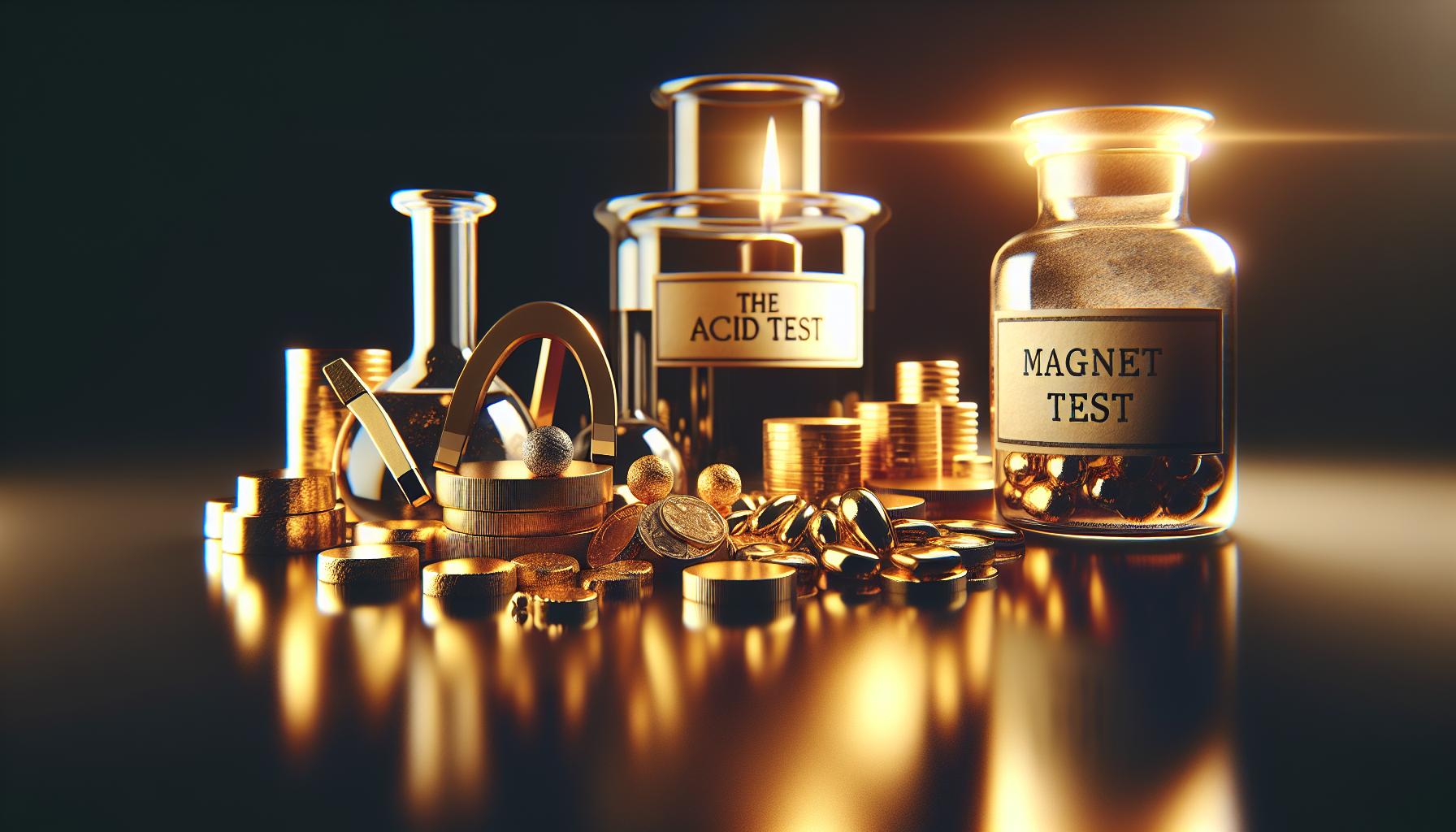
In the quest for authentic gold, many individuals wonder how to differentiate between genuine pieces and imitations. Fortunately,two straightforward tests can be performed at home to help reveal the true nature of your gold items: the Magnet Test and the Acid Test. These methods are not only simple but can save you from potential financial loss by ensuring that what you have is indeed genuine gold.
The Magnet Test
One of the easiest ways to test if your gold is real is by utilizing a magnet. Gold is a non-ferrous metal, which means it is not attracted to magnets. Here’s how you can conduct the Magnet Test effectively:
what You Need:
- A strong magnet (a neodymium magnet works well)
- Your gold item
Steps to Follow:
- Hold the magnet close to the gold item.
- Observe whether there is any attraction between the magnet and the gold.
Results:
If the gold is attracted to the magnet, it likely contains other metals such as iron or nickel, indicating it is not pure gold. Genuine gold will not react at all. This test is a speedy and effective first step in confirming the authenticity of your gold.
The Acid Test
For a more definitive method of verifying your gold, consider the acid Test. This procedure uses a small sample of nitric acid to ascertain the purity of the gold. Though, it requires a bit more caution and preparation.
materials Needed:
- Gold testing kit (includes acid solutions for different karats)
- Testing stone (frequently enough included in kits)
- Safety goggles and gloves for protection
Procedure:
- Choose a spot on the item that is inconspicuous and gently scratch the surface on the testing stone.
- Apply one drop of the appropriate nitric acid based on the karat you suspect (10K, 14K, etc.) to the scratch.
- Observe the reaction: Pure gold will not change colors when acid is applied.
Interpreting Results:
| Reaction | Meaning |
|---|---|
| No reaction | Item is likely genuine gold |
| Fades to a different color | Item has lower karat purity or is not gold |
While the Acid Test can provide a clear answer, it’s crucial to note that it does involve a degree of risk and can damage the item if not done carefully. Always wear protective gear and consider practicing on a less valuable piece first.
by using these simple tests, you will be better equipped to determine how to test gold at home with confidence, ensuring that your valuable items are indeed authentic.
The Importance of Gold Karat Markings
Understanding the significance of gold karat markings is crucial for anyone looking to buy, sell, or invest in gold. These markings serve as a global language indicating the purity of gold in a piece of jewelry. As a valuable metal,gold’s purity is measured in karats,with 24 karats being considered pure gold. Knowing how to interpret these markings can empower consumers to make informed decisions, ensuring that they understand the quality of their purchase.
The Meaning of Karat Markings
Karat (or carat) values denote the proportion of gold in jewelry compared to other metals that may be present. Here’s a quick overview of some common karat markings:
| Karat | Gold Content | Percentage of Gold |
|---|---|---|
| 24K | 100% pure gold | 99.9% |
| 22K | 91.6% gold | 91.6% |
| 18K | 75% gold | 75.0% |
| 14K | 58.3% gold | 58.3% |
| 10K | 41.7% gold | 41.7% |
Knowing these distinctions not only helps you identify a genuine gold piece but also aids in valuing it accurately. For instance, an 18K gold ring contains 75% gold, making it more valuable than a 14K ring, which has only 58.3% gold content. To avoid costly mistakes,always check for the karat stamp,which is typically found inside rings or on clasps of necklaces and bracelets.
Spotting Fake Markings
Unluckily, counterfeit gold jewelry can feature misleading karat markings, designed to deceive unsuspecting buyers. To verify the authenticity of the karat stamp,consider using simple DIY methods outlined in guides such as “How To Test Gold At Home? Simple DIY Authentication Methods.” Common techniques include the acid test, where a small scratch is made on the gold and exposed to acid; a color change indicates lower purity. Moreover, a magnet test can reveal whether a piece is genuine; real gold is not magnetic, while many fakes are made with other metals that are.
By arming yourself with knowledge about gold karat markings and testing methods, you can confidently navigate the jewelry market, ensuring that every piece you acquire is as valuable as it appears. Understanding the purity of gold isn’t just a matter of assessing value; it’s about making smart investment choices that can enhance your portfolio and personal collection.
How to Use a Scale for Accurate Weight Measurements
Accurate weight measurements are crucial not just in the culinary world, but also in various applications such as DIY gold testing. Understanding how to properly utilize a scale can greatly improve precision in your measurements, ensuring that your test results are reliable. Whether assessing the authenticity of gold or measuring ingredients for a specific recipe, getting the scale setup right is essential.
Choosing the Right Scale
Selecting an appropriate scale is the first step towards accuracy. Consider the following options when deciding which scale to use:
- Digital Scales: These provide precise measurements and are easy to read. Look for a model that measures in grams and ounces for versatility.
- Analytical Scales: Best for laboratory-grade accuracy,these scales are capable of weighing small quantities with great precision,though frequently enough at a higher price.
- Mechanical Scales: While less common today, they can still be reliable for everyday use, especially when properly calibrated.
Preparing for Measurement
Before you start weighing, it’s important to prepare both the scale and the items to be measured:
- Calibrate the Scale: Follow the manufacturer’s instructions to ensure your scale provides accurate readings. This step is crucial, especially if you have moved the scale or if it has been in use for a while.
- Tare the Scale: Place an empty container on the scale and press the tare button to zero it out. This way, the weight of the container won’t affect the measurement of the gold or other materials you’re testing.
- stable surface: Make sure the scale is placed on a flat, stable surface to avoid inaccurate readings due to wobbling or movement.
Using the scale for Testing Gold
When testing gold at home, the weight measurement is a pivotal component. Here’s how to make accurate measurements:
- Weigh the Gold Piece: Place the gold item carefully on the tared scale and record the weight in grams.
- Calculate Specific Gravity: If you’re conducting a density test,note the weight of the gold piece in water for more insights. This measurement can definitely help you determine the purity of the gold.
- Documentation: Keep a record of the measurements. This will help you reference results over time or compare them with professional appraisal standards.
By following these steps for accurate weight measurements, you can ensure that your DIY gold testing is both precise and effective. With reliable measurements, you can trust your findings in gauging the authenticity of gold—and truly make the most of at-home testing methods.
The Float Test: Assessing Purity Without Chemicals
Testing the authenticity of gold can frequently enough feel daunting, especially when faced with the myriad of options available. However, one fascinating and entirely chemical-free method stands out for its simplicity and reliability: the float test. This fascinating technique not only allows you to assess the purity of your gold items but also gives you a chance to understand the fundamental properties of different metals. By utilizing the principles of density, this test provides a straightforward approach that can easily be performed in the comfort of your home.
Understanding the Float Test
The float test relies on the fact that pure gold (24k) has a specific density of approximately 19.3 grams per cubic centimeter. In contrast,gold-plated or lower-karat items generally contain less gold or are made from metals with a lower density. To conduct this test, you will need a container filled with water and a piece of gold jewelry or coin you want to assess.
Follow these steps to perform the float test:
- Fill a container with water, ensuring that it is deep enough to fully submerge the gold item.
- Gently place the gold piece into the water.
- Observe whether the gold floats or sinks.
If the item sinks to the bottom, it is likely made of gold or a high-density alloy. Conversely, if it floats, you should be cautious, as this indicates that the item may not be genuine gold.
Interpreting the Results
While the float test is not exclusively definitive, it can provide an excellent preliminary assessment of your gold’s authenticity. Below is a simple table to help you interpret your findings:
| Result | Implication |
|---|---|
| Floats | Possible imitation or non-gold material; further testing recommended. |
| Sinks | Likely genuine gold; however, consider additional tests for higher accuracy. |
This float test serves as a non-invasive first step in verifying your gold items. Simple to execute and requiring no special tools or chemicals,this method embodies the essence of DIY authentication methods for gold at home. Keeping this technique in your toolkit can save you time and potential disappointment when seeking out real gold among your jewelry or collectibles.
Cleaning Your Gold Before Testing: Tips and Tricks
When it comes to determining the authenticity of your gold jewelry or items, one crucial yet frequently enough overlooked step is cleaning. Residue, tarnish, or dirt can obstruct the results of testing methods, leading to misleading outcomes. To ensure an accurate assessment of your gold, begin by giving it a proper cleanse. Here are some effective strategies that can help you get your gold ready for testing while preserving its natural luster.
Gentle Cleaning Techniques
Cleaning gold doesn’t have to be a intricate process. Use the following tips to keep your items in prime condition:
- Warm Soapy Water: Mix a few drops of mild dish soap in lukewarm water. Soak your gold pieces for about 15-20 minutes, then gently brush with a soft toothbrush to remove any grime. Rinse thoroughly under warm running water.
- Ammonia Solution: For tougher stains, you can create a solution using one part ammonia and six parts water. Soak the jewelry for just under a minute, as prolonged exposure can damage some items. Rinse off and dry with a soft cloth.
- Jewelry Cleaning Cloth: use a special jewelry cleaning cloth to buff your gold pieces. These cloths are designed to lift dirt and oils, bringing back shine without scratching the surface.
Handling Special Cases
Certain gold pieces may require more cautious care,especially those embedded with gemstones or pearls. Here are considerations to keep in mind:
- Avoid Harsh Chemicals: Never use abrasive cleaners or bleach on jewelry, as they can damage both gold and gemstones.
- Protect Delicate Designs: For intricate designs, a gentle twist of a microfiber cloth can effectively clean without disrupting the details.
- Dry Instantly: Ensure that pieces are completely dried after cleaning to prevent any water spots or tarnishing.
Why Cleaning Matters
A clean surface is not just about aesthetics; it plays a vital role in ensuring your testing methods yield reliable results. Contaminants can lead to:
| Issue | Outcome |
|---|---|
| Residue on Gold | Skewed results from acid tests and other authenticating methods |
| Tarnish Buildup | False negative in conductivity tests |
| Improper Coloring | Difficulty identifying the karat,leading to inaccurate assessments |
Approaching the cleaning of your gold items with care sets the foundation for successful DIY testing methods at home,ensuring that you can navigate the nuances of authenticity with confidence.
When to Seek Professional Help for Gold Authentication
Determining the authenticity of gold can be a thrilling endeavor, especially for enthusiasts looking to uncover pieces of history or value. Though, while certain DIY methods exist to test gold at home, there are moments when the expertise of a professional is crucial. Understanding these circumstances can save you time, money, and potential heartache when dealing with valuable items.
There are specific red flags that should prompt you to consult a professional for gold authentication:
- High-Value Items: If your gold piece is substantial in value, such as antique jewelry or investment-grade bullion, it’s wise to seek expert verification to protect your investment.
- Unusual Markings: If the gold item features unfamiliar hallmarks or lacks clear markings, a professional can provide insights into its authenticity and origin.
- Suspicion of Fraud: If you suspect that a seller may not be truthful about the gold’s value or authenticity,a professional appraisal can resolve doubts.
- Complex Assessments: Items like gold coins or collectibles may require advanced testing techniques beyond simple home methods, such as X-ray fluorescence (XRF) analysis.
Understanding the Risks of DIY Methods
While various DIY methods exist to test gold at home, like acid tests or magnet checks, they come with inherent risks. As a notable example, acid tests can damage your jewelry, while magnetic tests may yield false positives for weathered pieces. A professional can conduct thorough evaluations without compromising the integrity of your items. Additionally, they can decipher complex nuances in gold composition that simple tests cannot address.
Finding a reputable Expert
For those who decide that professional assistance is necessary, finding a trustworthy expert is crucial.Look for certified appraisers or jewelers with a solid reputation. You can also verify their credentials through organizations like the American Society of Appraisers or similar local entities. when choosing an expert, consider asking about their experience with gold items specifically, ensuring they’re well-versed in authentication methods relevant to your piece.
while testing gold at home can be a rewarding experience, understanding when to involve a professional is equally important. This approach not only protects your investment but also enhances your knowledge of gold and its value in the marketplace. Keep these tips in mind as you navigate the fascinating world of gold authentication.
frequently Asked Questions
How To Test Gold at Home? Simple DIY Authentication Methods?
To test gold at home, you can use methods like the vinegar test, magnet test, or a nitric acid test. These simple DIY authentication methods can help determine the purity of your gold without needing professional equipment.
Each of these methods comes with varying degrees of reliability. The magnet test is straightforward: real gold isn’t magnetic,while fake gold might be. The vinegar test, on the other hand, involves applying vinegar to the gold; if it tarnishes, it’s likely not real gold.for more complex testing, consider the nitric acid test, which reacts specifically with gold.
What Is The Best Way to Check If Gold Is Real?
The best way to check if gold is real combines visual inspection and simple tests. Start by examining the metal for markings that indicate karat purity, then proceed with a few DIY tests like the magnet test or vinegar test.
These preliminary assessments can frequently enough highlight whether your gold is genuine. For more conclusive results, you could apply the acid test, or reach out to a professional jeweler. remember, understanding what you are testing is essential—different techniques offer varying levels of certainty.
Why Does Gold Change Color When Tested?
Gold may change color during tests due to the presence of different alloys, or metals mixed with pure gold. Many gold items are not pure; they contain alloys that can cause color alterations when subjected to certain chemicals.
Such as, when using the vinegar test, metals like copper or silver present in the alloy can react with the acid and alter the appearance of the gold.This reaction can lead to discoloration, indicating that your piece may not be pure gold.
Can I Use The Magnet Test For Gold Validation?
Yes, the magnet test is a quickway to validate gold, as real gold does not respond to magnets. This method works as most counterfeit gold pieces, especially those made from less dense metals, will be magnetic.
Simply hold a strong magnet up to the gold item. If it sticks, it’s likely not genuine gold. Though,be cautious; some genuine gold items might contain small amounts of magnetic alloys,so this test should be used alongside others for best results.
Is The Nitric Acid Test Safe To Perform At Home?
No, the nitric acid test is not safe to perform at home due to the chemical hazards involved. While this test provides a thorough examination of gold purity, it poses risks due to the caustic nature of nitric acid.
If you are inexperienced with handling chemicals, it is indeed advisable to rely on safer methods like the vinegar test or seek assistance from a professional. Always use protective gear, including gloves and eye protection, when dealing with substances like nitric acid.
How To Determine The Karat Of Gold At Home?
To determine the karat of gold at home, you can use a simple acid test kit designed for evaluating gold purity. These kits often include different acids to react with your gold item, indicating its karat level based on the reaction.
Alternatively, you can visually inspect the piece for markings that denote its karat. For instance, 14k or 24k stamps signify gold purity levels, although they can sometimes be faked. Using a combination of tests can definitely help you achieve more reliable results.
What Household Items Can I Use To Test Gold?
You can use items like white vinegar, baking soda, or even a strong magnet to test gold at home. These household items provide simple yet effective means for preliminary testing.
For instance, the vinegar test involves applying a drop of vinegar to your gold; genuine gold will not react, while fake gold may change color. Similarly, baking soda mixed with water can clean the gold and help you examine it more closely for any fakes or alterations.
To Wrap It Up
testing gold at home is not only achievable but can also be an empowering step for both seasoned investors and casual jewelry enthusiasts alike. By utilizing straightforward methods such as the magnet test, acid test, and density test, you can authenticate your gold with confidence, ensuring that your investments are sound and your treasures are genuine. As you embark on this journey of exploration, consider the rich history and cultural significance of gold that transcends mere monetary value—each piece tells a story, connecting us to our past.
We encourage you to delve deeper into the fascinating world of gold, exploring further resources and tools available to enhance your understanding. Whether you’re assessing heirloom jewelry or contemplating a new investment, knowledge is your greatest ally. Should you have any questions or seek additional guidance, feel free to engage with us—your curiosity drives our commitment to providing reliable and comprehensive information. Happy gold testing!