

Wondering if your gold jewelry is in need of a makeover? Deciding whether to refinish these treasured pieces can be tricky, but understanding their value and condition is essential. Refinishing can restore your jewelry’s luster and appeal, making it a crucial step for both aesthetic enjoyment and investment potential.
Understanding the Value of Gold Jewelry: Key Factors to Consider
Understanding the significance of gold jewelry can transcend mere aesthetics and delve into its intrinsic value as an investment. Gold has held allure for centuries, symbolizing wealth, power, and beauty. Though, determining whether a piece of gold jewelry is worth refinishing involves more than just its visual appeal; it requires consideration of various factors that contribute to both its economic and sentimental value.
Factors Influencing Gold Jewelry Value
- Gold Purity: The purity of gold is a crucial aspect to evaluate. Common purities are measured in karats (K), with 24K being pure gold. The higher the karat, the more valuable the piece. Knowing how to assess the karat can considerably impact your decision.Such as,18K gold contains 75% gold content,while 14K comprises 58.3% gold.
- Craftsmanship: The artistry involved in creating the jewelry can effect its worth, especially if it showcases unique designs or intricate details. Handcrafted pieces or those made by renowned artisans frequently enough command higher prices. Consider if the jewelry has historical significance or is part of a limited collection.
- Condition: A well-maintained piece can retain its value better than one that is damaged or shows significant wear. Before deciding on refinishing, assess the overall condition of the jewelry, noting any scratches, dents, or missing stones.
- Market Trends: Just like stocks, the value of gold fluctuates with market trends. Stay informed about current gold prices and economic factors that may influence these fluctuations. This knowledge will guide you in determining the optimal time for refinishing or selling your jewelry.
Real-World Example: Gold jewelry Restoration
Consider a family heirloom necklace that has lost some of its luster over the years. It is made of 14K gold, with several precious stones. Here’s a simplified decision matrix to evaluate whether to refinish or restore:
| Factor | Details | Action |
|---|---|---|
| Purity | 14K gold (58.3% purity) | Worth refining |
| Craftsmanship | Handmade, with unique design | Refinishing can enhance aesthetic appeal |
| Condition | Minor scratches, no missing stones | Refinish and polish |
| Market Trends | Current gold price is stable | good time to invest in restoration |
This example illustrates how taking into account these critical factors can streamline your decision-making process. Ultimately, understanding the value of gold jewelry is essential for making informed choices on refinishing, restoration, or even selling, ensuring that you make the most out of your investment.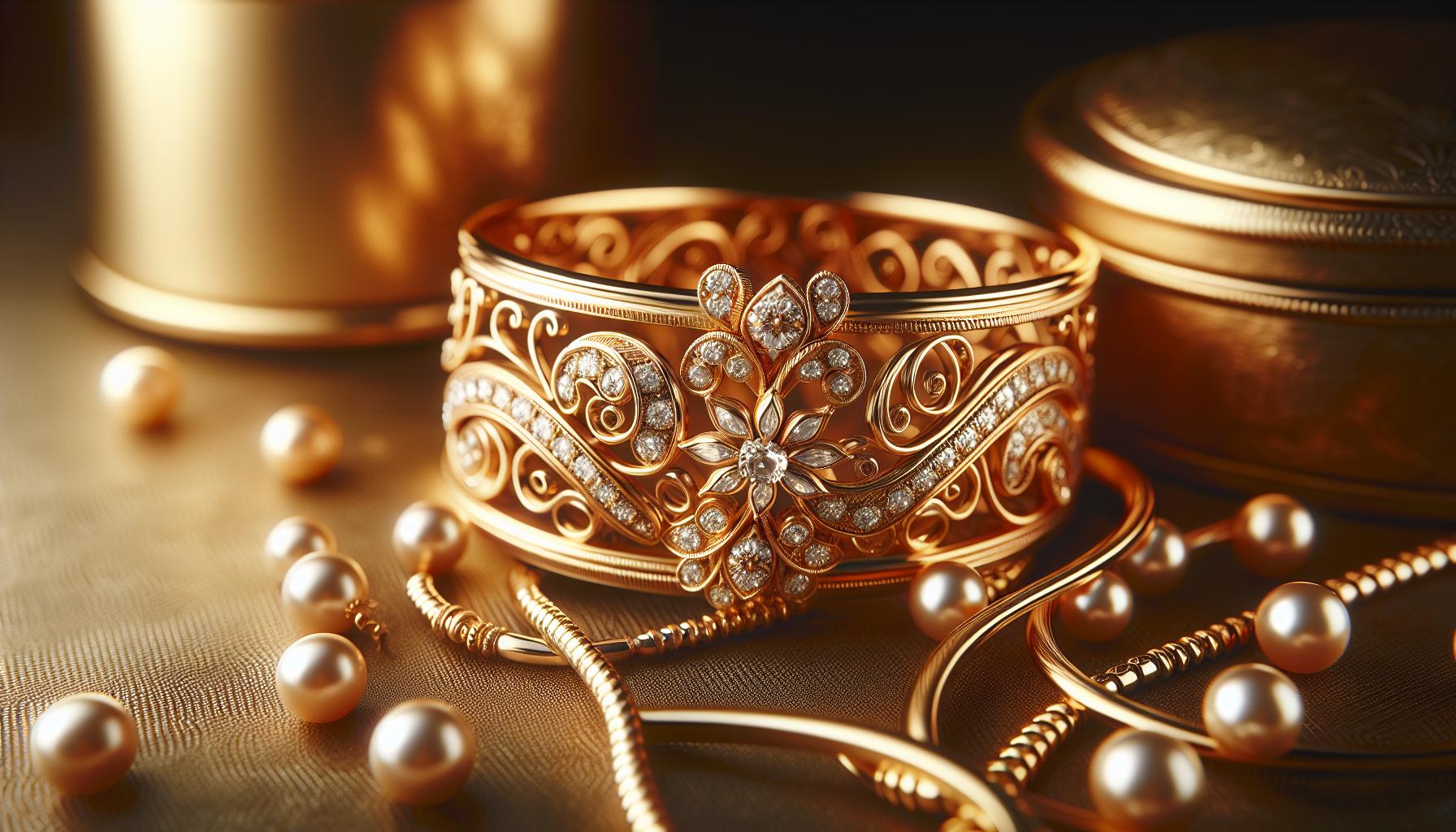
Signs Your Gold Jewelry Needs Refinishing: A Closer Look
There’s a certain elegance to gold jewelry that almost seems timeless, yet over time, even the most cherished pieces can show signs of wear and tear. Proper maintenance is essential not just for aesthetics but also for preserving value.Recognizing the signs that indicate your gold jewelry might need refinishing can extend its life and enhance its beauty. Understanding these indicators is key to deciding when to take action, ensuring your treasured items don’t slip into neglect.
Common Indicators of Deterioration
when assessing your gold jewelry, keep an eye out for the following signs that suggest it may be time for refinishing:
- Scratches and Dents: Small abrasions are common, often caused by everyday wear. If your jewelry has noticeable scratches or dents that catch the eye, it’s a good candidate for refinishing.
- Faded Finish: A once-bright shine may dull over time. If your piece no longer sparkles as it used to, refinishing can restore its luster.
- Discoloration: Changes in color, such as yellowing or graying, can indicate tarnishing or the wearing down of plating. This discoloration can be remedied through proper refinishing methods.
- Loose Settings: While not directly related to the finish, a loose stone or setting can compromise both the appearance and value of your jewelry. Addressing this issue through refinishing often includes securing the settings.
When to Seek Professional Help
If you notice any of the aforementioned signs, it may be prudent to consult a professional jeweler to evaluate the condition and refinishing potential of your gold jewelry. Along with enhancing the piece’s appearance, refinishing can help reveal and repair underlying issues that may not be visually apparent.
| Indicator | Action Needed |
|---|---|
| Scratches | Refinishing to buff out scratches |
| Dulled Shine | Polishing and refinishing to restore shine |
| Discoloration | Replating or refinishing |
| Loose Settings | Tightening settings during refinishing process |
Taking action at the right time can mean the difference between maintaining the integrity of your jewelry or letting small defects spiral into greater problems. Look closely, and you may realize how a little attention to detail can make your gold pieces dazzle once again.
The Refinishing Process: What to Expect for Your Gold Pieces
When it comes to gold jewelry, the potential for restoration can often be as alluring as the pieces themselves. Over time, even the most cherished items can suffer from wear and tear, dullness, or scratches. Understanding the refinishing process can empower you to make informed decisions about whether your gold jewelry deserves a second chance or if it’s better to part ways.
Step-by-Step to Revitalizing Your Gold Jewelry
The journey of refinishing gold jewelry involves several meticulous steps, each tailored to restore the luster and beauty of your pieces. Here’s what you can expect during the refinishing process:
- Assessment: Jewelers will first examine your pieces to identify the extent of damage.Thay’ll check for scratches,dullness,or tarnishing.
- Cleansing: A thorough cleaning is performed to remove dirt and oils, often using ultrasonic cleaners or special cleaning solutions.
- Polishing: The actual refinishing begins with polishing the surface to eliminate scratches and restore shine. This can be done using buffing wheels and various polishing compounds.
- Re-plating (if applicable): If your gold piece is gold-plated or has a significant layer of tarnish, the jeweler may apply a new layer of gold through electroplating.
- Finishing Touches: After polishing and, if necessary, re-plating, the jewelry is subjected to final inspections and any necessary adjustments to ensure it’s cozy to wear.
Cost Considerations and Expectations
The cost for refinishing gold jewelry can vary widely based on factors such as the type of work needed and the intricacy of the design.Here’s a basic breakdown of what you might encounter:
| Service | Estimated Cost |
|---|---|
| Cleaning | $20 – $50 |
| Polishing | $50 – $150 |
| Re-plating | $70 – $200 |
| Complete Restoration | $100 – $300+ |
While refinishing can breathe new life into your gold jewelry, it’s essential to weigh the costs against the sentimental or intrinsic value of the piece. If it holds significant personal value or if it’s a discontinued design,investing in the refining process might be worthwhile. However, for outdated or lesser-known pieces, examining alternatives may be prudent. Remember, understanding how to see if gold jewelry is worth refinishing will not only refine your aesthetic but also your financial decisions regarding these cherished items.
Evaluating the Cost vs. Benefit of Refinishing Gold Jewelry
When considering whether to refinish your gold jewelry, it’s essential to weigh the costs against the potential benefits. Many individuals have cherished pieces that may have lost their original luster, yet deciding to bring them back to life requires careful thought. Refinishing can restore the beauty of your gold jewelry, but it often involves a financial investment. Therefore, understanding the value of your item can lead to an informed decision that aligns with your personal preferences and financial situation.
To evaluate the cost versus the benefit effectively, start by assessing the current condition of your jewelry. Factors such as wear and tear, scratches, or discoloration play a significant role in determining whether refinishing is necessary. It’s also crucial to consider the intrinsic value of the piece. As an example, a family heirloom or a piece with sentimental value may warrant refinishing even at a higher cost, while more contemporary items might not.
Here’s a structured approach to help you make a decision:
Cost Considerations
- Refinishing Costs: Typically ranges from $50 to several hundred dollars depending on the specifics of the jewelry.
- Potential Resale Value: Evaluate if the refinished piece would command a significantly higher price if sold.
- Professional Appraisal: It’s advisable to get an appraisal to gauge the true worth of the item before deciding.
Benefits of refinishing
- Aesthetic Appeal: Restoring your jewelry can enhance its appearance, making it more enjoyable to wear.
- Increased Longevity: Proper refinishing may help to protect the gold and prolong the life of the jewelry.
- Sentimental Value: For many, the emotional attachment to these pieces outweighs monetary considerations.
Consider creating a simple table to visualize your findings and guide your decision-making:
| Aspect | Cost | Benefit |
|---|---|---|
| Initial Appraisal | $50 – $200 | Understand current value |
| Refinishing | $50 – $500 | Enhanced aesthetics and longevity |
| Potential Resale Value Increase | Varies | possible profit on sale |
weighing these factors will provide clarity on whether refinishing your gold jewelry is worth the expense. Whether you choose to refresh a beloved piece or let it be, making an informed choice will ensure that you are content with the outcome.
When to Seek Professional Help for Gold Refinishing
Understanding when to turn to a professional for gold refinishing can save you time,money,and disappointment. While the allure of refinishing your gold jewelry can be strong,there are certain situations where a qualified jeweler’s expertise is essential. Knowing when to consult a professional not only ensures the integrity of your jewelry but also enhances its overall value and appearance.
Signs That Indicate Professional Assistance Is Needed
When evaluating your gold jewelry for refinishing,consider these key indicators that suggest it’s time to seek professional help:
- Severe damage: If your gold jewelry has significant scratches,dents,or structural issues,a skilled jeweler can assess the extent of the damage and recommend appropriate repairs.
- Vintage or Antique Pieces: For heirloom items or antique jewelry, refinishing can alter their historical value. A professional can help maintain authenticity while restoring their beauty.
- Complex Designs: Intricate patterns or detailed settings require meticulous work.A jeweler with experience in refinishing can ensure that these delicate designs are preserved.
- Uncertain Gold Content: If you doubt whether your jewelry is genuine gold or are unaware of its karatage, an expert can perform tests to determine its quality before any refinishing takes place.
When DIY Could Be Risky
While the DIY approach to gold refinishing can be appealing to some, it frequently enough comes with risks. If you have little experience or knowledge about the specific techniques and products needed for gold jewelry care, consider the potential pitfalls:
- Unfamiliar with Techniques: Improper polishing or cleaning can cause more harm than good, resulting in lost details and further scratches.
- Using Incorrect Products: Many home methods utilize harsh chemicals that can erode gold or damage any gemstones present. professionals use specialized products tailored for gold.
- Insurance and Value Concerns: If your jewelry pieces are valuable, any DIY repairs could impact their worth and insurance coverage. A professional service ensures proper documentation and care.
recognizing when to seek professional help is essential for maintaining the quality and value of your gold jewelry. By understanding the signs and risks associated with DIY approaches,you can make informed decisions that will enhance the longevity and aesthetic appeal of your treasured pieces.
Caring for gold Jewelry: Maintenance Tips to Preserve Value
The allure of gold jewelry lies not only in its intrinsic beauty but also in its value—something that can be preserved with proper care and maintenance. Just like any valuable asset, gold jewelry requires attention to ensure it remains radiant and retains its worth over time. If you’re pondering how to see if your gold pieces are worth refinishing, remember that proper upkeep is crucial in determining their longevity and value.Here are some essential maintenance tips that can help you preserve your cherished gold items.
Regular Cleaning
Keeping gold jewelry clean is vital for maintaining its luster and preventing tarnishing. Here’s how you can easily clean your gold items at home:
- Soak your jewelry in a solution of warm water and a few drops of mild dish soap for about 15-20 minutes.
- Gently scrub the pieces with a soft-bristled toothbrush, focusing on intricate details and settings.
- Rinse thoroughly under lukewarm water to remove any soap residue.
- Dry with a soft cloth to avoid water spots.
This simple cleaning routine not only enhances appearance but also makes it easier to identify any signs of wear or damage that could suggest a refinishing might be necessary.
Safe Storage Practices
A common mistake that many jewelry owners make is neglecting proper storage. Gold jewelry should be stored with care to prevent scratches and entanglement:
- Keep each piece in a separate, soft pouch or in a dedicated jewelry box with compartments.
- Avoid placing gold jewelry next to other harder materials, as they can scratch the surface.
- Consider using anti-tarnish strips or pouches to combat tarnishing, especially for items that are not worn frequently.
Proper storage can significantly extend the life of your jewelry, preserving not just its physical form but also its emotional value.
Professional Inspections
Every few years, consider taking your gold jewelry to a professional jeweler for an inspection. This can help in several ways:
- Checking for loose stones or weakened settings that might lead to loss.
- evaluating the overall condition and determining if refinishing is warranted.
- Getting expert advice on cleaning methods that best suit your specific pieces.
Investing in a pro’s insights can ultimately save you from costly repairs down the line and ensure your jewelry retains its maximum value.
| Maintenance Task | Frequency |
|---|---|
| cleaning | Every 1-2 weeks |
| Professional Inspection | Every 2-3 years |
| Storage Check | Monthly |
By dedicating a bit of time to these maintenance practices, you can ensure your gold jewelry not only sparkles beautifully but also stands the test of time, maintaining its value as you assess how to see if your cherished pieces are worth refinishing.
the Impact of Refinishing on Gold’s Historical and Sentimental Value
The allure of gold jewelry is frequently enough intertwined with its rich history and personal significance. When contemplating whether to refinish a beloved piece, it’s important to consider both the aesthetic enhancements and the broader implications for its historical and sentimental value.Refinishing can restore the shine and luster that may have faded over time, but it can also alter the character of a piece, especially if it is an heirloom passed down through generations. This delicate balance often leads to the question: is refinishing a gold item worth the potential loss of its original charm?
Understanding Historical Value
Every piece of gold jewelry carries with it a story—whether it belonged to a significant figure in history, was crafted during a specific era, or reflects the unique artistry of a particular culture. The act of refinishing can possibly strip away those distinctive characteristics, especially if the refinishing process is aggressive or poorly executed.For antique or vintage pieces, maintaining their original patina may enhance their worth, as collectors often prefer items that show signs of age rather than items that have been overly polished.
Take, as an example, a vintage locket that has seen better days. The deep scratches and worn engraving might tell a story of love, travel, or loss that adds to its historical value.Refinishing such an item could remove these telling features, wich may decrease its desirability among collectors or sentimentalists. Before deciding on refinishing as a way to restore your gold jewelry, it’s crucial to assess its historical relevance and understand the potential risks.
The Sentimental value Aspect
Likewise, the sentimental value of jewelry is often deeply personal. A wedding band, a gift from a loved one, or a piece inherited from a family member can carry emotional weight that surpasses its material worth. Refinishing can arguably rejuvenate such pieces, allowing wearers to continue building memories; however, it is essential to consider how the process might change its appearance.
Such as, a grandmother’s gold bracelet may have imperfections that are reminders of moments spent together. If refinishing erases those imperfections, the piece may lose some of its emotional resonance. Therefore, before jumping into refinishing, consider simply cleaning the piece or conducting minor repairs. This allows the jewelry to maintain its unique character while still being visually appealing.
Making An Informed Decision
To make a prudent choice regarding refinishing, navigate through the following considerations:
- Assess the Condition: Examine the piece closely to determine whether the issues are merely cosmetic or if they affect structural integrity.
- consult an Expert: A professional jeweler can provide insights on whether the jewelry’s aesthetic can be improved through polishing without diminishing its historical and sentimental value.
- Consider Cleaning First: Sometimes, a thorough cleaning can restore the piece enough without needing full refinishing.
- Record Keeping: Take photos and document any changes made to the jewelry to preserve its history.
Ultimately, the decision to refinish should hinge not just on the surface appeal but also on a deeper understanding of the piece’s narrative and its place in your life. Balancing refinement with recognition of historical and sentimental worth can lead to a more thoughtful choice that respects the gold’s journey.
Exploring alternative Options: repairing vs. Refinishing Gold Jewelry
When it comes to gold jewelry, the sparkle can fade over time due to wear and tear, tarnish, or even damage. Though, before deciding to toss your beloved pieces aside or invest in new ones, it’s essential to weigh the options of repairing versus refinishing.Understanding the differences can lead you to make a more informed decision, and often, the right choice will not only preserve the sentimental value of your jewelry but also enhance its aesthetic appeal.
Repairing Gold Jewelry
Repairing involves fixing specific issues such as broken clasps, cracked settings, or missing gemstones. The objectives of repair work focus on restoring functionality and integrity. The advantages of choosing to repair include:
- Cost-Effectiveness: Minor repairs can often be done at a fraction of the cost compared to refinishing.
- preservation of Original Character: Repairs maintain the existing design and value of the piece, which can be important for vintage or heirloom jewelry.
- Swift Turnaround: In many cases, repairs can be completed in a short time, allowing you to wear your jewelry again sooner.
While repairs may extend the life of a piece, they may not restore its appearance if the metal has become dull or scratched. This brings us to the option of refinishing.
Refinishing Gold Jewelry
Refinishing is a comprehensive process that involves polishing the surface, buffing out scratches, and applying a fresh layer of protection to restore the shine of the gold. The refinishing process can breathe new life into tired pieces, making them look almost brand new. Here are some notable advantages:
- Enhanced Aesthetics: Refinishing can greatly improve the aesthetic appeal of your gold jewelry, making it more inviting to wear.
- Market Value Boost: A well-refinished piece can often fetch a higher market value, especially if it’s a designer item or vintage piece.
- Versatility: This option works well for items that have become tarnished or scratched due to regular wear without needing to alter the original design.
To help you decide between repairing and refinishing, consider the following factors:
| Factor | Repairing | Refinishing |
|---|---|---|
| Cost | Generally lower for minor fixes | Can be higher depending on extent |
| Time | Often quick | Can take longer depending on scope |
| Aesthetics | Restores functionality | Significantly enhances appearance |
| Value Retention | Retains original character | May increase overall market value |
Ultimately, the decision to repair or refinish your gold jewelry will depend on your specific circumstances, including the condition of the piece, your budget, and your goals. Being informed about the differences between these processes, as discussed in the guide on how to see if gold jewelry is worth refinishing, can empower you to make choices that keep your cherished items looking their best while maintaining their sentimental value.
Frequently asked questions
How to see if gold jewelry is worth refinishing?
To determine if your gold jewelry is worth refinishing, consider its overall condition, intrinsic value, and sentimental significance. If the piece has deep scratches or tarnish but retains good quality,it may be worth the investment for refinishing.
Look for signs of wear such as extensive scratches, discoloration, or loss of luster. If the jewelry has historical or emotional value, refinishing could enhance its appearance and longevity. Check with a certified jeweler to assess its worth more accurately.
What is the refinishing process for gold jewelry?
The refinishing process typically involves cleaning, polishing, and sometimes re-plating the jewelry. This process restores its shine and removes blemishes, giving it a fresh look.
First, the piece is thoroughly cleaned to remove dirt and oils. Next, polishing wheels and compounds are used to remove scratches.For pieces that have lost their gold layer, a jeweler may re-plate them with a fresh layer of gold.understanding this process can definitely help you decide if your jewelry needs such treatment.
Why does gold jewelry need refinishing?
Gold jewelry requires refinishing to address wear and tear, restore its aesthetic appeal, and maintain its value.Over time, exposure to the elements, skin oils, and daily wear can dull the finish.
Refinishing not only improves the visual appearance but can also help prevent further wear. Gold jewelry, especially pieces that hold significant sentimental value, can benefit greatly from a professional touch to keep them looking their best.
Can I refinish gold jewelry myself?
While it’s possible to refinish gold jewelry at home using kits, it’s not recommended due to the need for professional-grade tools and expertise. Inadequate techniques can lead to further damage.
Professional jewelers possess the equipment and knowledge to conduct thorough refinishing without compromising the integrity of the jewelry. If you’re considering this option, check resources on proper gold jewelry care for safe maintenance tips.
What factors affect the cost of refinishing gold jewelry?
The cost of refinishing gold jewelry can vary based on factors such as the complexity of the work, type of gold, and the jeweler’s expertise. More intricate pieces may require additional time and care.
Additionally, if your jewelry has gemstones, they may need extra protection during the process, raising the cost. it’s advisable to get multiple quotes and to discuss your specific needs with professionals to understand pricing.
How frequently enough should gold jewelry be refinished?
Gold jewelry generally should be refinished every few years, depending on usage. Frequent wear and exposure can accelerate the need for refinishing.
Monitor the condition of your jewelry regularly. If you notice significant tarnishing, scratches, or a dull appearance, it may time for a touch up. Keeping your jewelry in good condition can prolong its lifespan and retain its value.
What types of gold jewelry need refinishing?
Most types of gold jewelry, including rings, necklaces, and bracelets, can benefit from refinishing. However, pieces that are worn daily may require more frequent attention due to the higher likelihood of wear.
Items with intricate designs or those featuring gemstones should be assessed individually, as the complexity can influence the refinishing approach. Consulting a jeweler can definitely help determine which pieces are most in need of refinishing.
Concluding Remarks
determining whether your gold jewelry is worth refinishing involves a careful consideration of various factors, from its intrinsic value and current market trends to your personal sentiment and the jewelry’s historical significance. by evaluating the gold content, assessing the condition of your pieces, and understanding both the costs and benefits of refinishing, you can make informed decisions that align with your financial goals and aesthetic aspirations.
We invite you to further explore the intricate world of gold jewelry,where each piece carries its own story,value,and potential for renewal. Whether you’re a seasoned investor looking to enhance your portfolio or a passionate admirer seeking to revive cherished heirlooms, delving deeper into the nuances of gold can enrich your appreciation and guide you toward the best choices. Don’t hesitate to reach out with questions or share your experiences—your journey with gold is as unique as the pieces you cherish. Happy exploring!


