In the world of luxury automobiles, the presence of gold components raises a tantalizing question: how many car models actually incorporate this precious metal? This article delves into the surprising trend of using gold in high-end vehicles, revealing its significance in both performance and prestige within the automotive industry.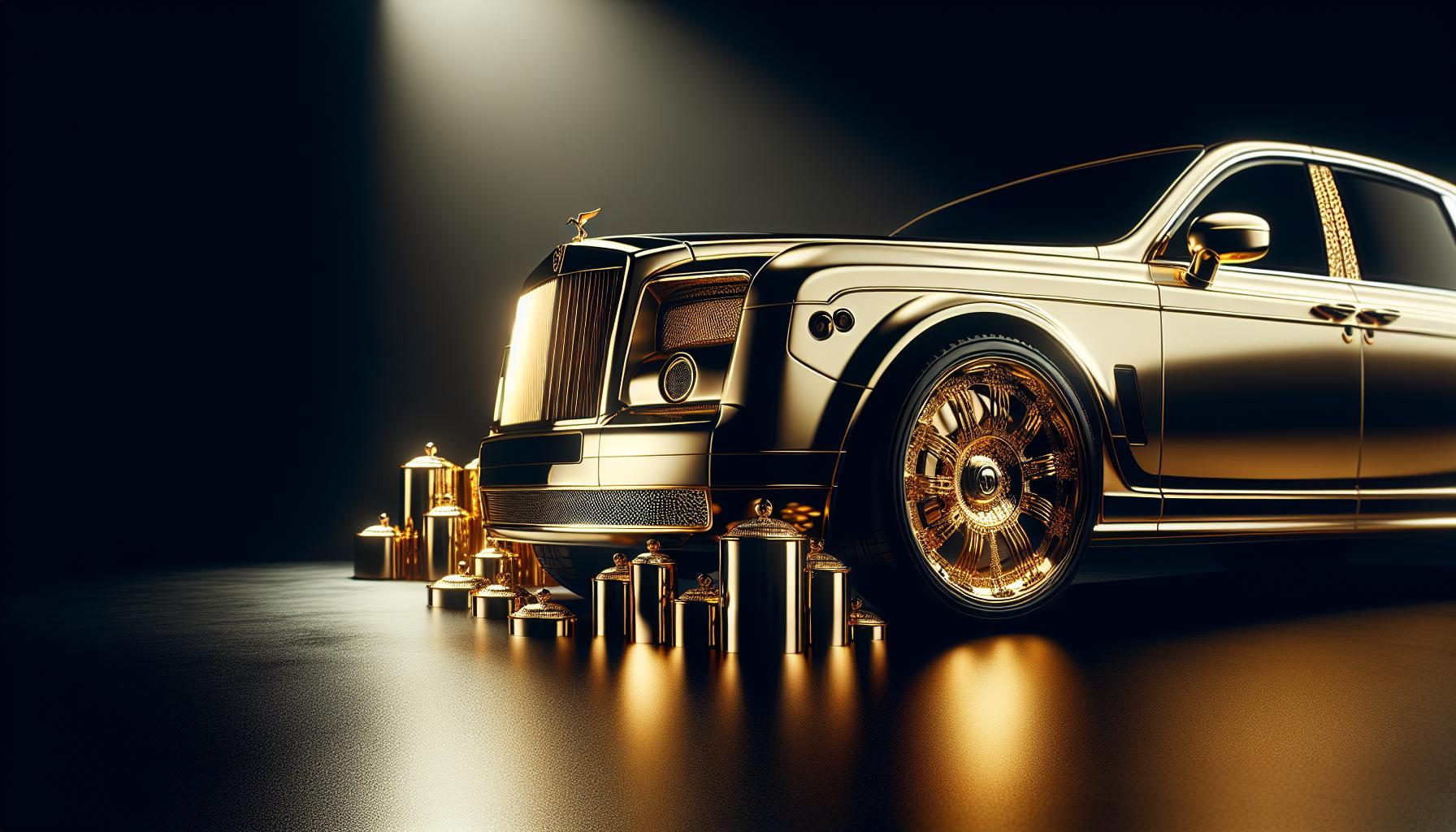
The allure of Gold: Why Luxury Cars Embrace Precious Metals
From luxurious interiors to cutting-edge technology, the automotive industry continually seeks innovative ways to elevate the driving experience.One of the most captivating elements in this quest for perfection is the infusion of precious metals, particularly gold, into luxury vehicles. While this may seem like an extravagant detail reserved for the ultra-wealthy, the integration of gold components in high-end automobiles serves both aesthetic and functional purposes.
Unveiling the Benefits of Gold in Luxury Cars
Gold is renowned not just for its opulence but also for its remarkable properties. Here are some reasons why luxury auto manufacturers are increasingly incorporating gold components:
- Corrosion Resistance: Gold does not tarnish or corrode, ensuring that parts maintain their functionality and appearance over time.
- Conductivity: Given its superior conductivity, gold is often used in electronic components, enhancing the performance of high-tech features commonly found in luxury cars.
- Aesthetic Appeal: The distinctive luster and warmth of gold offer an unmatched elegance, making vehicles not just a mode of transport, but a statement of prestige.
- Thermal Resistance: the thermal properties of gold contribute to the durability of components in harsh environments, making them ideal for high-performance engines.
Despite the hefty price tag associated with gold, manufacturers find that its benefits often justify the cost. A strategic use of this versatile metal can lead to increased reliability as well as a much-desired luxury aesthetic.
Real-World Applications of Gold Components
Luxury automakers have begun to embrace the use of gold in various facets of their machines. Examples of car models that utilize gold components can shed light on this trend. Here’s a look at some applications:
| Luxury Car Model | Gold Component | Purpose |
|---|---|---|
| Porsche 911 | Gold-plated connectors | Enhanced electrical conductivity in entertainment system |
| Rolls-Royce Phantom | Gold accents on dash | opulent design features |
| Bugatti Chiron | Gold detailing in engine | Luxury finishes and improved heat resistance |
These examples underscore how luxury auto brands attempt to bridge functionality and aesthetics, showcasing that the allure of gold extends beyond mere luxury; it’s a vital component that enhances performance, durability, and the overall experience of owning a high-end vehicle.As more manufacturers explore these possibilities,the question of “How many car models use gold components?” continues to intrigue car enthusiasts and industry professionals alike,highlighting gold’s unique position in the luxury automotive landscape.
A Closer Look at Car Models Featuring Gold Components
The world of luxury automobiles often intertwines with opulence, and few elements signify this excess better than the use of gold components. While gold might not be a material you’d typically associate with traditional car manufacturing, it has found its niche in high-end models. Not only does it enhance aesthetics, but it also offers practical benefits, such as improved conductivity and durability, which further justifies its incorporation.
Exceptional Models Utilizing Gold Enhancements
Several exclusive car models incorporate gold elements in their design and functionality.Here are a few prominent examples:
- Rolls-Royce Phantom: Known for its bespoke design options, the Phantom offers an extravagant choice to incorporate gold into elements like the dashboard and trim.
- Bugatti Chiron: This hypercar takes luxury to another level with its available gold-plated accents and components,enhancing both its aesthetic appeal and performance attributes.
- Maserati Alfieri: In this stunning vehicle, gold accents are used to upgrade interior finishes, creating a warm and opulent driving experience.
These models exemplify how manufacturers embrace gold’s properties, marrying luxury with practicality in their exclusive designs.
Table of Luxury Models with Gold Components
The following table highlights some of the notable luxury car models and their specific uses of gold components:
| Car Model | Gold Component | Purpose |
|---|---|---|
| Rolls-Royce Phantom | Gold Dashboard Inlays | Enhances luxury appeal |
| Bugatti Chiron | Gold-plated Engine Components | Improves conductivity |
| Maserati Alfieri | Gold Trim Accents | Aesthetics & Luxury Feel |
Understanding how these luxury brands use gold components not only illustrates their commitment to unparalleled craftsmanship but also helps enthusiasts appreciate the layers of value added to their vehicles. The luxurious appeal of cars equipped with gold elements extends beyond mere aesthetics; it encapsulates a meticulous level of attention that luxury car aficionados cherish.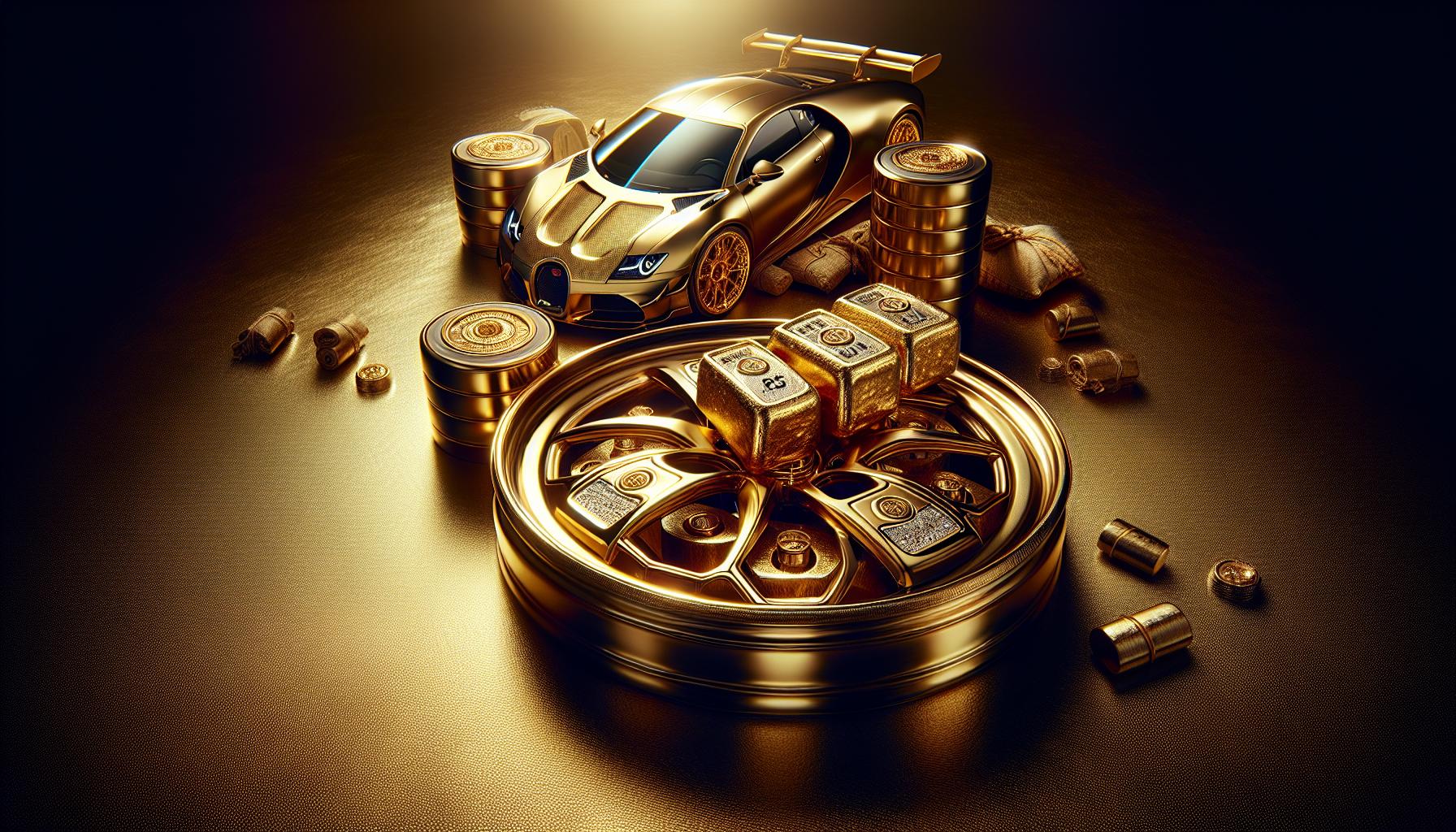
The Role of Gold in Enhancing Automotive Design and Performance
The glittering allure of gold isn’t confined to jewelry and electronics; it has also found an influential role in the automotive industry, particularly among high-end luxury car manufacturers. While it might seem surprising,the unique properties of gold—such as its exceptional conductivity,corrosion resistance,and malleability—make it a valuable asset in enhancing automotive design and performance.In fact, several luxury car models incorporate gold components to elevate both their technological capabilities and aesthetic appeal.
Enhancing Technology with Gold
One of the most notable applications of gold in cars is in electronic components. High-performance vehicles often rely on gold for critical elements such as connectors, circuit boards, and sensors. These components benefit from gold’s high conductivity, which ensures rapid and reliable signal transmission, vital for systems like advanced driver assistance and infotainment setups. A few advantages of using gold in automotive technology include:
- Superior conductivity: Gold provides better electrical connectivity than many other metals, which enhances the responsiveness of electronic systems.
- Corrosion resistance: Gold’s natural resistance to oxidation means that components remain functional over time, reducing maintenance needs.
- Malleability: The ability to be easily shaped and formed allows for precise and compact designs,crucial in modern automotive engineering.
Aesthetic Value and brand Prestige
Beyond its technical benefits,gold adds an undeniable luxury appeal to vehicle design. Manufacturers often use gold plating or accents in both interior and exterior finishes, making vehicles stand out in a market that increasingly values customization and exclusivity. This aesthetic application helps luxury brands reinforce their identity and appeal to discerning consumers who equate high-quality materials with superior performance. A few examples of how gold’s aesthetic contributions are realized include:
- Interior accents: Gold trim on dashboards or inlays around buttons and knobs can enhance the overall luxurious feel of the cabin.
- Exterior detailing: Gold accents on grilles or badges can set a vehicle apart, serving as a symbol of exclusivity.
- Custom finishes: Some brands offer bespoke options, allowing customers to choose gold finishes on certain models.
Market Trends and Future Prospects
As automobile technology continues to evolve, the integration of gold components is expected to expand. Research shows a growing trend among luxury automakers that not only pursue exquisite designs but also prioritize lasting performance. As an example, hybrid and electric vehicles, which are becoming more prevalent in the market, may rely on gold’s conductivity for improving battery technology and energy efficiency.
In a nutshell, gold has emerged as a key player in the luxury automotive sector, providing both performance-enhancing properties and aesthetic appeal. As automotive designers and engineers seek to push the boundaries of innovation, the question of how many car models utilize gold components becomes a signal of both technological advancement and the enduring quest for luxury in an ever-competitive market.
Investment in Gold: Why Certain Car Brands Choose This Trend
Luxury automakers are known for their commitment to excellence and innovation, and one of the exciting trends that have emerged in the automotive industry is the strategic use of gold in various components. Unlike traditional metals, gold possesses unique properties that can enhance performance, aesthetics, and durability, making it an attractive option for certain high-end car brands. As we delve into the reasons behind this trend, it becomes clear that investing in gold components goes beyond mere luxury; it’s a calculated decision rooted in functionality and prestige.
key Reasons for Investing in Gold Components
The decision to incorporate gold into car models typically rests on several key factors:
- Enhanced Conductivity: Gold is an excellent conductor of electricity,making it ideal for use in critical electronic components such as connectors and battery terminals. Luxury brands prioritize reliability in performance, and gold’s superior conductivity helps ensure optimal function.
- Corrosion Resistance: gold’s innate resistance to tarnish and corrosion means that components remain durable over time, contributing to the longevity of the vehicle and reducing maintenance costs for consumers.
- Aesthetic Appeal: The visual allure of gold can elevate the luxury experience of a vehicle. Brands may use gold-plated accents or components to enhance the sophistication and exclusivity associated with their models.
- Brand Reputation: Investing in high-quality materials like gold can strengthen a luxury car brand’s reputation. By associating their products with rare and valuable components, manufacturers signal their commitment to unparalleled quality.
Examples of Luxury Auto Manufacturers Utilizing Gold
The adoption of gold components isn’t widespread among all car brands, but the few who have embraced this trend have often done so with specific models that epitomize luxury. As a notable example:
| Car Brand | Model | Component Utilizing Gold |
|---|---|---|
| Rolls-Royce | Phantom | Gold-plated interior accents |
| Bugatti | Chiron | Gold-plated engine components |
| Mercedes-Benz | S-Class | Gold contacts in advanced electronics |
These examples illustrate not only the aesthetic and functional advantages of gold components but also the affiliation with a lifestyle that transcends typical automotive ownership. In the luxury market, where exclusivity and performance are paramount, brands that incorporate gold signify that they are not just selling cars, but rather, they are curating an experience.
Ultimately, the trend of utilizing gold components in select luxury car models reflects a harmonious blend of innovation and opulence, appealing to a market segment that values both functionality and status. As the industry evolves, how many car models use gold components will likely expand, with more brands recognizing the multifaceted benefits of such an investment.
How Gold Components Impact Vehicle Value and Market Appeal
The integration of gold components in the automotive industry’s luxury segment is more than just a nod to opulence; it’s a testament to the lengths manufacturers will go to enhance both functionality and prestige.it’s fascinating to note that while the majority of vehicles utilize commonplace materials like steel and plastic, a select few luxury models incorporate gold due to its unique properties—durability, conductivity, and aesthetic appeal. This combination significantly influences vehicle value and market appeal.
Role of Gold in Automotive Engineering
Gold is primarily used in high-end vehicles for its excellent conductive properties in electrical components,such as connectors,switches,and circuit boards. These components are crucial for modern vehicles, which are becoming increasingly reliant on complex electronic systems. the presence of gold in these systems not only enhances performance but also improves the overall reliability and longevity of the vehicle.This reliability can lead to higher resale values, as consumers are often willing to pay a premium for vehicles known for their quality and durability.
Aesthetic Appeal and Branding
The allure of gold extends beyond functionality; it also plays a meaningful role in branding and aesthetic perception. Luxury automakers frequently enough leverage the prestige associated with gold to appeal to affluent buyers.The inclusion of gold accents in the interior trim, dashboard, or even as part of the exterior design serves as a powerful marketing tool. Here are a few examples where luxury car brands prominently feature gold elements:
- Rolls-Royce: Known for bespoke options, they offer gold-plated elements in their interiors as part of a tailored luxury experience.
- Bentley: Features gold accents in their customizations, appealing to clients who desire exclusivity.
- Aston Martin: Includes gold in limited edition models, making them highly sought-after and collectible.
Such strategies not only enhance a model’s appeal but can create a different tier of luxury, enticing buyers with the promise of status and exclusivity.
Market Implications
The impact of gold components on the market value of luxury vehicles cannot be understated. cars that incorporate gold, either in their technical components or as part of their aesthetic appeal, often command higher prices both at sale and in the used market. A comparative analysis of resale values indicates that models featuring advanced materials and luxury finishes experience slower depreciation than their counterparts.
| Model | Initial price | Resale Value After 5 Years | Gold Components |
|---|---|---|---|
| Rolls-Royce phantom | $450,000 | $350,000 | Gold accents in interior |
| Bentley Continental GT | $202,500 | $160,000 | Gold trim options |
| Aston martin DB11 | $205,600 | $157,000 | Gold-insulated components |
Investors and buyers alike are increasingly aware of these nuances, and vehicles that can substantiate their premium with the integration of rare materials such as gold tend to possess an inherent edge in a competitive luxury market. As the automotive landscape evolves,those models using gold components will likely continue to reshape perceptions of value and desirability within the automotive sector.
Innovations in Luxury Auto Manufacturing: The Gold Effect
The automotive industry is experiencing a revolution, where the integration of precious materials like gold is reshaping luxury vehicle manufacturing. While traditionally considered a component of jewelry or high-end electronics, gold is now a sought-after material in the luxury auto sector. This trend stems not only from its aesthetic appeal but also from its unique properties such as conductivity, corrosion resistance, and lightweight nature, making it an ideal choice for various applications in high-performance vehicles.
Luxury automakers are increasingly leveraging gold components to enhance functionality and elevate the opulence of their vehicles. Some of the most notable applications include:
- Electrical Systems: Gold is a top conductor, ensuring maximum efficiency in wiring and circuits, which is crucial for today’s technologically advanced vehicles.
- Catalytic Converters: Gold nanoparticles are being incorporated into these devices to improve emission control and efficiency.
- Decorative Elements: From intricate emblems to detailing on steering wheels, gold embellishments are becoming a signature touch for luxury brands.
Real-World Examples of Gold in Luxury Vehicles
Several renowned luxury brands have embraced the “gold effect,” setting a benchmark for innovation. For instance, Rolls-Royce has discreetly included gold in its high-end audio systems, enhancing both sound quality and aesthetic appeal. Additionally, some limited edition models showcase gold-plated accents, giving them an unmistakable edge.
The trend is not just limited to aesthetic enhancements. According to recent insights from luxury auto research, models like the lamborghini Urus and certain editions of the Aston Martin lineup have started to feature gold in their electronic components, demonstrating a commitment to not just style but also to functionality and durability.
| Car Model | Gold Component | Purpose |
|---|---|---|
| Rolls-Royce Phantom | Gold Speaker components | Enhanced acoustic experience |
| Lamborghini Urus | Gold Plated Interior Trim | Luxury aesthetics |
| Aston Martin DB11 | Gold Nanoparticles in Exhaust System | Improved emissions control |
As the luxury auto market continues to innovate, the question of how many car models use gold components may not just pertain to the quantity but rather the quality and authenticity that these precious materials bring. This shift toward incorporating gold into automotive manufacturing signals a new era where luxury is not just defined by brand prestige but also by the materials that enhance performance and visual appeal.
exploring the Functionality of Gold in High-End Car Engineering
The allure of gold transcends mere aesthetics; it embodies sophistication and precision in the realm of luxury automobiles. Known for its distinct characteristics, gold is strategically integrated into high-end car engineering for various functional purposes that enhance performance and luxury alike. this precious metal’s unique properties—such as resistance to corrosion and high conductivity—make it a valuable material in the intricate systems of premium automotive design.
Applications of Gold Components in luxury Cars
In the engineering of high-end vehicles, gold components primarily serve in critical areas, including:
- Electrical Connections: Gold’s exceptional conductivity and resistance to oxidation make it ideal for electrical connectors, ensuring a reliable power supply and minimal signal distortion.
- Electronic Circuitry: many luxury cars incorporate gold in their microprocessors and other electronic circuits, enhancing performance and longevity.
- decorative Elements: Beyond functionality, gold plating is often used for interior finishes, adding an element of luxury that aligns with the overall brand image.
- Heat Shields: Gold’s reflective properties help in managing the heat produced by engines, thus protecting sensitive components.
The Impact on Performance and Durability
Luxury automakers recognise that the use of gold can significantly affect both performance and durability. For example, in high-performance vehicles, even minor issues with electrical connections can lead to performance lags or malfunctions. Gold’s durability means less maintenance is needed compared to other materials, which can corrode over time. This longevity is a selling point for brands that promise reliability alongside elegance.
Moreover, the investment in gold components can offer long-term returns. As a notable example, manufacturers may see decreased warranty claims related to electrical failures, thereby enhancing brand loyalty through quality assurance. As the market for luxury cars continues to grow, understanding the specific *how many car models use gold components* becomes essential for consumers interested in both performance metrics and opulent features.
| Car Model | Gold Component Usage |
|---|---|
| Rolls-Royce Phantom | Gold-plated connectors in electrical systems |
| Bugatti Chiron | Gold leaf in interior finishes |
| Mercedes-Benz S-Class | Gold-infused microprocessors |
| Aston Martin DBS | Gold coatings for heat shields |
In examining the integration of gold components in various luxury models, it becomes evident that this meticulous attention to detail enhances not only the vehicle’s performance but also its overall prestige in a market that values both engineering excellence and exquisite design.
The Historical Significance of Gold in the Automotive Industry
The use of gold in the automotive industry may seem unconventional, yet it plays a pivotal role in enhancing vehicle performance and quality, particularly in high-end models. Gold’s unique properties—such as its excellent conductivity and resistance to corrosion—make it an invaluable asset for various electronic components found in luxury vehicles.As we delve deeper into the historical significance of gold within this sector, it becomes evident that its incorporation has much to do with evolving technology and consumer demand for advanced features.
The Historical Journey of Gold in Automotive Applications
In the early days of automotive engineering, gold was primarily reserved for decorative purposes or symbolic significance, frequently enough seen in luxury or custom vehicles. Though, as technology advanced, so did the applications for gold within automobiles. Today, the following key aspects illustrate its historical significance:
- Adoption of Electronics: With the introduction of electronic systems in vehicles—such as GPS navigation, advanced infotainment, and safety features—gold became essential due to its superior conductive properties, enhancing system reliability.
- Durability and Performance: Gold’s resistance to oxidation means that components remain functional over extended periods, making it a smart choice for longevity in automotive electronics.
- Luxury Market influence: As consumer preferences shift toward vehicles that offer more than just basic transportation, manufacturers increasingly integrate gold in critical systems to differentiate luxury models from standard offerings.
Modern Applications of Gold in Car Models
The significance of gold has increased with the proliferation of technology in modern cars. Here are some of the most common ways in which gold is utilized in the automotive field today:
| Component | Role of Gold | Benefits |
|---|---|---|
| Electrical Connectors | Gold plating ensures reliable connections. | Prevents corrosion and ensures consistent conductivity over time. |
| Wiring Harnesses | Gold helps to reduce signal loss. | Enhances performance of advanced safety and entertainment systems. |
| Sensors | Gold is used in some automotive sensors for accuracy. | Improves driver assistance technologies. |
This enhanced reliability is particularly crucial in luxury models, where manufacturers strive for excellence. As questions arise around how many car models use gold components, it becomes clear that these premium vehicles leverage the material as a hallmark of quality. Exploring the roles that gold plays in automotive technology not only highlights its importance but also reinforces the idea that modern vehicles are becoming increasingly refined, integrating materials that facilitate cutting-edge advancements and consumer satisfaction.
What to Consider When Investing in Gold-Infused Luxury cars
Investing in gold-infused luxury cars merges opulence with innovation.As the automotive industry continually evolves, the integration of precious materials like gold into vehicle designs offers not just aesthetic allure but also a statement of wealth and exclusivity. Though, before diving into such extravagant investments, potential buyers should navigate a few critical considerations to ensure that their choice stands the test of time both in luxury and value.
Understanding the Value Proposition
When contemplating an investment in a luxury car that incorporates gold components, it’s essential to evaluate the value proposition. Not all gold-infused cars are created equal; the amount and quality of gold used can vary tremendously. Some manufacturers may use gold for decorative accents, while others incorporate it into technology or performance-enhancing features.
- Material Quality: Research brands that invest in quality craftsmanship. Luxury car makers renowned for using high-quality gold in both their aesthetic and functional components tend to have better resale value.
- Brand Prestige: Brands with a long-standing reputation in the luxury segment often maintain higher values.Understand the identity of the manufacturer and their commitment to quality.
- Market Trends: Stay updated on luxury market trends, such as preferences for hybrid or fully electric vehicles that also incorporate unique materials, including gold.
Potential Depreciation and Market Performance
Investing in luxury cars embedded with gold elements may present unique depreciation patterns compared to traditional vehicles. While high-end models frequently enough retain or even appreciate in value,the addition of precious metals can complicate this aspect. Cars tailored for niche markets can be hit harder by changing consumer preferences.
| Car Model | Initial Value ($) | Current Market Value ($) | Gold Component (%) |
|---|---|---|---|
| Luxury sedan A | 150,000 | 120,000 | 10% |
| Sports Car B | 200,000 | 250,000 | 15% |
| SUV C | 180,000 | 170,000 | 8% |
The table above illustrates that while gold components can add prestige,their impact on market performance varies significantly. Be sure to analyze historical data and expert insights about specific models when assessing potential depreciation.
Future Maintenance and Cost Considerations
consider the long-term maintenance and operational costs associated with these luxury vehicles. Gold-infused cars may require specialized care that can incur additional expenses.
- Maintenance Costs: Seek manufacturers who offer solid warranty programs and services specifically for their luxury line of vehicles.
- Insurance Needs: Ensure you are aware of how gold components might affect insurance premiums and coverage requirements.
- Accessibility of Parts: Verify that replacement parts are readily available, especially those that contain unique materials like gold.
before making an investment, weigh these factors carefully against your financial goals and lifestyle preferences.With thoughtful consideration, investing in luxury cars with gold components can transform a simple mode of transport into an invaluable asset that blends artful design and cutting-edge technology.
Frequently Asked Questions
How Many Car Models Use Gold Components? Luxury Auto Insights?
While precise numbers can vary, approximately 20-30 high-end car models incorporate gold components in significant areas such as wiring, connectors, and decorative accents. This inclusion underscores the luxury status of these vehicles.
Gold is utilized primarily for its conductivity and resistance to corrosion, making it ideal for electronics within luxury cars. Brands like Rolls-Royce, bentley, and certain models from luxury sports car manufacturers often use gold for enhanced performance and aesthetic appeal. For more on luxury automotive trends, explore our insights on luxury auto trends.
Why does luxury auto manufacturing use gold components?
Luxury auto manufacturing employs gold components primarily for their exceptional conductivity and anti-corrosion properties.This enhances performance and durability in high-end vehicles.
Beyond functionality,the use of gold also adds a sense of prestige and luxury that resonates with affluent consumers. The inclusion of gold mirrors the overall design philosophy of luxury brands, ensuring that each element reflects sophistication and quality.
What is the significance of gold in high-end automotive design?
Gold in high-end automotive design signifies luxury,innovation,and unparalleled quality. Its incorporation into car components enhances both performance and aesthetics.
the rarity and high value of gold create an aura of exclusivity, appealing to luxury consumers. Moreover, its historical context as a symbol of wealth connects emotionally with buyers, ensuring a deeper appreciation for the vehicles they own.
Can I identify gold components in a luxury car?
Yes, gold components in luxury cars can frequently enough be identified in areas like wiring, connectors, and even decorative features. You may notice a distinct sheen or color that sets these components apart.
To inspect these components, refer to technical specifications or ask a dealer for detailed data about the materials used. Many luxury brands take pride in highlighting the premium materials they use, including gold, to justify their pricing.
How do gold components affect the cost of luxury vehicles?
Gold components significantly increase the cost of luxury vehicles due to the expense associated with both the metal and the advanced manufacturing processes.
Incorporating gold adds not just material costs but also enhances performance metrics, appeal, and longevity, factors that are highly valued in the luxury market. As such,vehicles with gold components command higher prices,reflecting their superior engineering and craftsmanship.
Which luxury brands specifically use gold in their car designs?
Brands like Bentley, Rolls-Royce, and Aston Martin are known for using gold in their car designs, especially in high-end customization options.
These brands often include gold in elements such as interior trims and performance wires. Such customization can be tailored to meet client specifications, making each vehicle a unique masterpiece.
Are gold components in cars just for show, or do they serve a function?
Gold components serve dual purposes: they enhance performance due to their exceptional conductivity and they contribute to the vehicle’s luxurious aesthetic.
While many may perceive gold as merely decorative, its physical properties allow for improved electrical connections and reduced corrosion, especially in high-performance vehicles. Thus, the functionality and appearance work hand-in-hand.
In Summary
As we conclude our exploration into the use of gold components in luxury car models,it is undeniable that gold’s unique characteristics—its conductivity,resistance to tarnish,and aesthetic appeal—play a crucial role in enhancing both performance and luxury. from the high-end electronics that power advanced infotainment systems to the intricate detailing that adds a touch of opulence, gold remains a significant element in the engineering of elite automobiles.
Understanding which models utilize gold and the benefits they offer not only informs potential buyers and collectors but also highlights the ongoing relationship between luxury and innovation in the automotive industry. We encourage you to delve deeper into the fascinating world of luxury automobiles, where engineering excellence meets exquisite materials.
As you continue your journey, consider the implications of gold’s inclusion beyond immediate aesthetic appeal—think about its historical significance, investment potential, and the craftsmanship that pairs with it. Whether you’re an avid car enthusiast, a savvy investor, or exploring the luxury lifestyle, ther’s always more to uncover. Engage with us in the comments or explore our related resources to further enrich your understanding of this captivating subject. Your journey into luxury awaits!