

Ever wondered how that stunning white gold jewellery is created? This article delves into teh fascinating manufacturing process of white gold and reveals the secrets behind its unique alloying techniques. understanding this topic not only enhances your appreciation for fine jewelry but also guides informed purchasing choices.
Understanding White Gold: An Introduction to its Allure and History
The elegance and versatility of white gold make it a popular choice in modern jewelry, captivating the hearts of many with its lustrous shine and sophisticated appearance.often perceived as a contemporary alternative to platinum, white gold combines durability with an aesthetic appeal that is hard to resist. But behind its stunning surface lies a fascinating story of transformation, craftsmanship, and science that is essential to understanding what truly sets it apart.
The Alluring composition of White Gold
White gold is not a single metal but rather an alloy, typically composed of yellow gold mixed with other metals, such as palladium, nickel, or silver.The addition of thes metals gives white gold its distinctive color and enhances its hardness, making it more suitable for everyday wear than its pure yellow counterpart.
- Palladium: A noble metal that not only provides a stunning white hue but also contributes to the alloy’s overall strength and resistance to tarnishing.
- Nickel: Frequently enough used for its durability, nickel can inoculate white gold against scratching. However, it may cause allergic reactions in some individuals, which has led to an increasing interest in nickel-free options.
- Silver: A softer metal that plays a role in producing a lighter color and is sometimes preferred for its hypoallergenic properties.
The manufacturing process is crucial in determining the final quality of white gold. The key lies in the precise ratios of these metals, which can vary considerably by manufacturer and intended use, influencing not just the color but also the texture and resilience of the final product.
A Glimpse into the Historical Legacy
White gold’s journey began in the late 19th century when it was first used to create jewelry that mimicked the appearance of platinum. As a result of its growing popularity, especially in the Art Deco period, it became a staple in the world of luxury jewelry. Thanks to its unique charm and versatility, white gold quickly transitioned from a mere substitute to a sought-after material, notably for engagement rings and wedding bands.
| Era | Significance |
|---|---|
| Late 19th Century | Introduction of white gold as an affordable alternative to platinum. |
| 1920s | White gold became popular during the Art Deco movement, emphasizing sophistication and modernity. |
| 21st Century | Continued innovation with an emphasis on hypoallergenic alloys and sustainability. |
In contemporary jewelry design,advances in technology and metallurgy have further enhanced the allure of white gold. From the meticulous alloying process to the final polishing and rhodium plating, each step is a testament to both artistry and scientific innovation. Understanding the intricacies of how white gold is made not only deepens appreciation for this stunning metal but also highlights the importance of responsible sourcing and manufacturing in today’s jewelry industry.
The Alloying Process: What metals Create White Gold?
When it comes to crafting exquisite jewelry, understanding the underlying materials is paramount. Many people are drawn to the luster and shimmering appeal of white gold, but few realize that it is not a naturally occurring metal. Instead, white gold is an elegant alloy, born from the combination of yellow gold with other metals. The intricate process of creating white gold involves carefully selecting and blending these metals to achieve the desired aesthetic, durability, and wearability.
Key Metals in White Gold Alloys
to create white gold, jewelers typically blend pure gold (which is inherently yellow) with a variety of metals to produce the coveted silvery finish. The choice of alloying metals is crucial as they not only influence the color but also the strength and properties of the final product. Prominent metals used in conjunction with gold include:
- Palladium: Frequently used for its hypoallergenic properties, palladium adds a beautiful white hue and enhances the durability of the alloy.
- Nickel: This metal is frequently enough chosen due to its lower cost effectiveness and ability to further whiten the gold. Though, it may cause allergic reactions in some individuals.
- Silver: While less common, silver can be included to soften the alloy, offering a lower cost option while maintaining a light color.
- Ruthenium or Iridium: Rarely, these metals are added for additional strength and a richer, deeper color.
The Alloying Process
The process of creating white gold begins with melting pure gold and the chosen alloying metals together in precise proportions. Typically,the purity of gold in white gold alloys ranges from 14K to 18K,referring to 58.3% and 75% gold content, respectively. The combination of metals is heated to a molten state, allowing the metals to intermix thoroughly, creating a homogenous blend. Once cooled, the resulting solidified alloy can be worked into desired forms, whether they’re rings, necklaces, or other exquisite pieces.
| Gold Content | gold Percentage | Common Alloys Used |
|---|---|---|
| 14K White Gold | 58.3% | Palladium,Nickel |
| 18K White Gold | 75% | Palladium,Silver |
This meticulous alloying process not only affects the color and luster of white gold but also determines the piece’s overall strength and resistance to wear. For those interested in how white gold is made, understanding these foundational elements is essential, as it allows consumers to make more informed choices about their jewelry purchases, particularly regarding allergies, durability, and maintenance.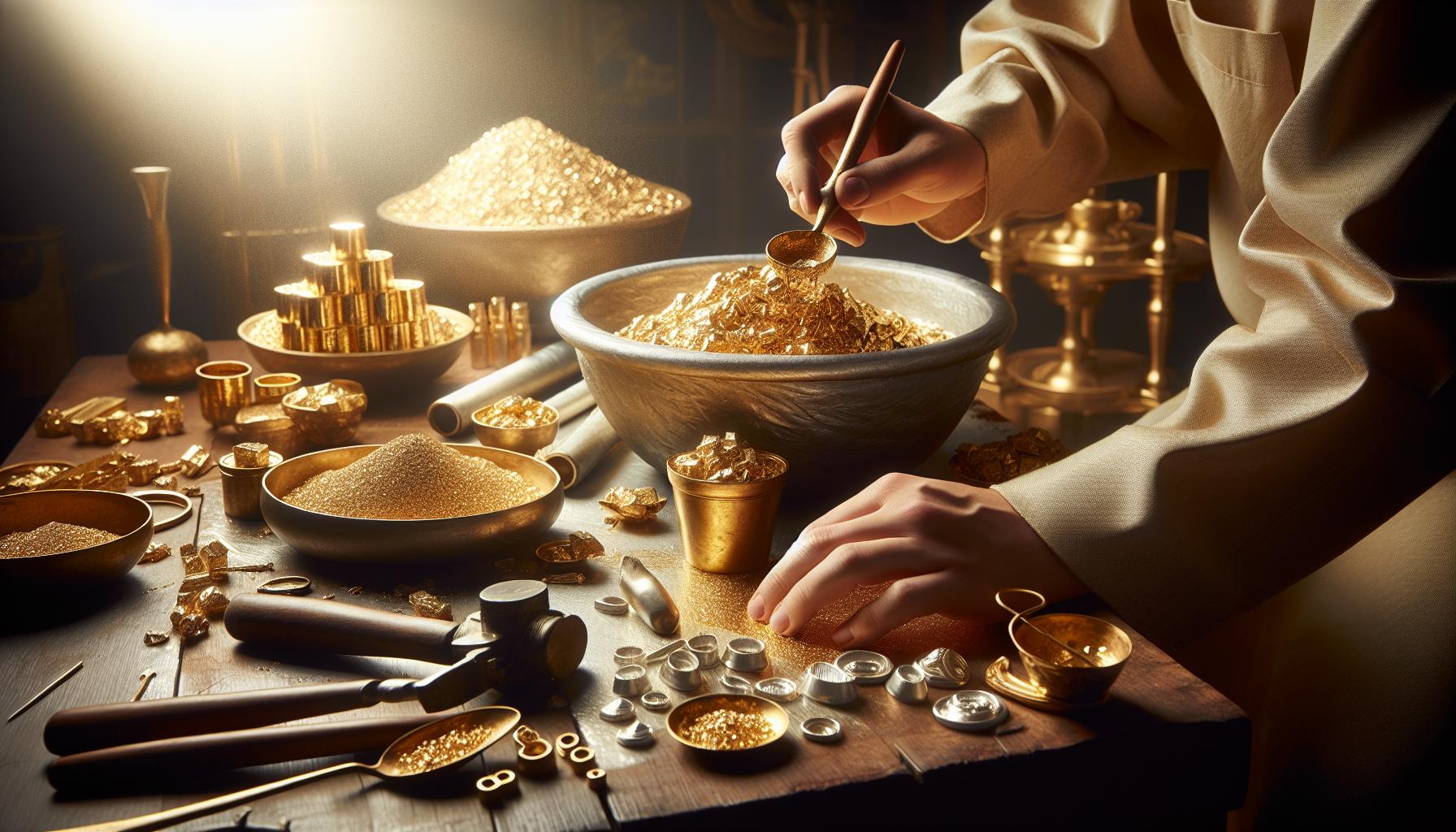
crafting White Gold: The Step-by-Step Manufacturing Journey
White gold, renowned for its unique sheen and durability, is not just a precious metal but a delicate blend of artistry and science. Understanding the manufacturing process unveils the intricate steps that transform raw elements into stunning jewelry pieces. The journey of crafting white gold begins with the selection of base metals that contribute to its distinctive properties and aesthetics.
Choosing the Right Alloys
The foundation of white gold lies in its alloys.Typically, yellow gold is mixed with various metals to achieve the desired white hue and enhanced strength. Here are the most common alloys used in white gold:
- Palladium: This precious metal not only lightens the color of yellow gold but also increases its resistance to tarnishing and scratching.
- Nickel: A popular choice for white gold, nickel not only provides a bright white color but also lends additional hardness.
- Silver: When included, silver can soften the final product slightly, giving it a more malleable quality.
- Copper: This alloy can be added in smaller amounts to balance the mixture and improve workability.
The Melting Process
once the right combination of alloys is selected, the next step is the melting process. Metals are combined and heated to a point where they reach a molten state, typically around 1,064°C (1,947°F) for gold. This blending must be performed in a controlled environment to ensure even distribution of all elements.
Shaping and Forming
After achieving a homogeneous molten mixture, the white gold is poured into molds to form ingots. These ingots can be rolled, drawn, or stamped into the desired shapes for rings, necklaces, or other jewelry items. Various techniques, such as casting through lost-wax methods or hand fabrication, are employed to create intricate designs.
Finishing Touches
The final stages include polishing and plating. White gold jewelry is often plated with rhodium, which not only enhances the brilliance but also provides a protective layer against wear and tarnishing. This final touch is crucial for achieving that lustrous shine that white gold is celebrated for.
understanding how white gold is made involves appreciating the thoughtful selection of alloys, the meticulous melting and forming processes, and the elegant finishing touches that culminate in beautiful jewelry. Whether for engagement rings or fashion accessories, each piece embodies a journey of transformation that reflects both craftsmanship and creativity.
The Role of Rhodium: Enhancing the Beauty of White Gold
Rhodium is a precious metal that plays a pivotal role in enhancing the allure and performance of white gold. Often regarded as the finishing touch in the jewelry-making process,rhodium plating is not merely for aesthetics; it significantly influences the metal’s durability and resistance to tarnishing.this process elevates the overall appeal of white gold, creating pieces that are not only strikingly beautiful but also long-lasting.
Why Rhodium is Essential for White Gold
When crafting white gold, the alloy typically consists of yellow gold mixed with other metals, such as palladium or nickel, to achieve that distinct white hue.However, this combination can sometimes result in a lackluster finish. Here’s where rhodium comes in.
- Enhanced Shine: Rhodium has a brilliant and reflective quality,which adds remarkable luster to white gold jewelry. It can make pieces appear polished and radiant, enhancing their beauty.
- Durability: Rhodium is one of the most durable metals available. When applied as a plating, it creates a protective layer that shields the underlying white gold from scratches, dents, and tarnishing, ensuring that the jewelry maintains its charming appearance over time.
- Hypoallergenic Properties: For those with sensitive skin, rhodium is an excellent choice. It creates a barrier that reduces the risk of nickel allergies,which can be a concern with some white gold alloys that contain nickel.
Request Process of Rhodium Plating
In the manufacturing process of white gold, rhodium plating is often one of the final steps. The procedure typically involves electroplating, where a thin layer of rhodium is deposited onto the surface of the white gold.This process not only enhances the jewelry’s appearance but also provides an added layer of protection.
| Step | Description |
|---|---|
| 1. Cleaning | Ensure the white gold surface is free of impurities and oils. |
| 2. Readiness | Conduct a prep rinse to promote better adhesion of the rhodium. |
| 3. Electroplating | Dip the white gold piece into a bath containing rhodium and apply electric current. |
| 4.Rinse and Dry | Thoroughly rinse the piece and let it dry, revealing a brilliant finish. |
Rhodium’s versatility and protective qualities make it an invaluable asset in the world of fine jewelry. By understanding the intricacies of how white gold is made and the impact of rhodium plating, consumers can appreciate their jewelry not just for its immediate beauty, but also for its longevity and resistance to wear. When shopping for white gold pieces, look for rhodium plating to ensure you are choosing jewelry that combines elegance with lasting quality.
Quality Control in White Gold Production: Ensuring Durability and Brilliance
In the realm of fine jewelry, the allure of white gold captivates many with its shimmering brilliance and striking durability. However, achieving the perfect balance between aesthetics and longevity requires meticulous quality control throughout the manufacturing process. As consumers increasingly seek high-quality jewelry, understanding how white gold is crafted—and the safeguards in place to ensure its enduring beauty—becomes essential.
Establishing the Right Alloy Composition
At the heart of white gold’s appeal lies its alloy composition. White gold is crafted by combining pure gold with other metals, such as palladium, silver, nickel, or platinum. This blend not only impacts the color but also affects the overall durability and resistance to tarnishing. Consequently,each batch of alloy is rigorously tested for consistency and purity. Quality control checks may include:
- Spectrometry Analysis: This test evaluates the alloy composition to ensure it meets targeted standards.
- Purity Testing: Assuring that the gold content aligns with designated karats (e.g., 14K, 18K) for product labeling.
- Durability Assessments: Examining how well the alloy performs under stress and its resistance to scratches and wear.
By evaluating these factors, manufacturers guarantee that the white gold achieves both the desired color and the necessary robustness, laying the groundwork for superior jewelry pieces that withstand the test of time.
Finishing Techniques and coating
Once the gold has been properly alloyed, the finishing process plays a crucial role in developing the striking appearance of white gold. This frequently enough involves applying a rhodium plating, which enhances both shine and durability. The quality control of plating involves several rigorous steps:
- Plating Thickness measurement: Ensuring the correct thickness of rhodium to provide adequate protection against tarnishing.
- Adhesion Tests: Examining how well the rhodium adheres to the white gold alloy, preventing peeling or flaking over time.
- Visual Inspection: Checking for consistent, blemish-free finishes that enhance aesthetic appeal.
Through these measures, manufacturers maintain the integrity and appearance of white gold jewelry, ensuring that it remains as dazzling as the day it was crafted.
Quality Assurance Protocols
The quality assurance process extends beyond alloying and finishing; it encompasses the entire production lifecycle. From initial design concepts to the final product, manufacturers implement systematic protocols to uphold high standards. A comprehensive quality control system may include the following components:
| Control Stage | Key Actions |
|---|---|
| Design Review | Ensuring designs are functional and manufacturable without compromising integrity. |
| Material Selection | Choosing only certified suppliers for optimal gold and alloy materials. |
| Manufacturing & Assembly | Implementing precision techniques to weld, form, and assemble components seamlessly. |
| Final Inspection | Conducting a thorough check for craftsmanship, gemstones, and final finish. |
By maintaining such rigorous quality standards, producers ensure that their white gold creations exude both elegance and resilience, marrying beauty with practicality in every flawless piece.
Common Misconceptions about White Gold: What You Need to Know
It’s a common sight in jewelry stores: the stunning shimmer of white gold catches the eye, often mistaken for platinum or silver. However, many tend to overlook the fascinating details of how this precious metal is made and the alloys that contribute to its allure.Understanding the truth about white gold can help consumers make informed choices, ensuring they appreciate this luxurious material for all that it offers.
One prevalent misconception is that white gold is a naturally occurring metal. In reality, white gold is an alloy, meaning it is created by blending yellow gold with metals like palladium, nickel, or silver to enhance its strength and appearance. This process not only adds durability but also imparts the sought-after silvery hue. Here’s a breakdown of the key components typically used in the creation of white gold:
| Alloy Metal | Properties |
|---|---|
| Palladium | Hypoallergenic, dose not tarnish |
| Nickel | Affordable, but can cause allergic reactions |
| Silver | Cost-effective, but less durable |
Another myth relates to the color of white gold. While it does have a naturally bright and silvery appearance, it is often plated with a thin layer of rhodium to give it an ultra-brilliant shine. Unfortunately, this rhodium plating can wear off over time, leading some to mistakenly believe that their white gold jewelry is tarnishing. In reality, it simply requires re-plating to restore its original luster. Regular maintenance not only prolongs the life of the finish but also enhances the overall look of the piece.
There is also a misconception surrounding the value of white gold compared to other metals like platinum or silver. While white gold is often priced lower than platinum, its value is contingent upon its gold content and the quality of its alloy. For consumers, it’s crucial to understand that white gold pieces come in varying karat weights—commonly ranging from 10K to 18K—affecting both quality and price. Opting for a higher karat generally means a higher gold content, which can lead to greater long-term value.
By shedding light on these misunderstandings about the manufacturing process and alloy secrets of white gold, potential buyers can appreciate its complexity and beauty even more. Whether shopping for engagement rings or elegant necklaces, informed decisions will lead to lasting satisfaction with your white gold jewelry.
Choosing White Gold Jewelry: Tips for Consumers and Investors
when it comes to selecting white gold jewelry, understanding its composition and creation can significantly influence your choices, whether you’re a consumer looking for a beautiful piece or an investor seeking valuable assets. White gold, often mixed with metals like palladium or nickel to enhance its durability and color, presents a perfect blend of elegance and resilience.Here’s how you can navigate the intricate world of white gold to make well-informed decisions.
Understanding Quality and Purity
Before purchasing, always check the karat weight, which indicates the purity of the white gold. Common purities include 10K, 14K, and 18K, with 18K being the most beneficial for both its value and aesthetic appeal.The higher the karat, the less of other metals are mixed in, which typically means a richer color and greater luster. Consider the following when assessing quality:
- Karat weight: Higher karats like 18K contain 75% gold, offering better quality but perhaps a higher price point.
- Alloy composition: Each alloy can affect how the piece looks and feels; as a notable example, nickel may cause allergic reactions in some people.
Evaluating craftsmanship
Craftsmanship plays a pivotal role in the allure of white gold jewelry. Look for brands or jewelers renowned for their attention to detail and use of quality settings.A well-made piece will often feature:
- Secure settings: To ensure that the gemstones (if any) are snugly held.
- Finish: Polished or matte finishes can enhance the overall look; consider your personal style.
- designer reputation: Investing in pieces from reputable designers can offer reassurance in quality and future value.
Investment Considerations
For those considering white gold as an investment, there are additional factors to bear in mind. The market for white gold jewelry can fluctuate based on trends and consumer desires, so research is crucial. Here are some tips:
| Factors to Consider | Impact on Value |
|---|---|
| Market Trends | Follow current preferences; minimalist designs are in vogue. |
| Gemstone Quality | Higher quality gemstones increase the overall value of the piece. |
| Brand Recognition | Pieces from established brands tend to hold their value better. |
Always consider your personal style and long-term investment goals when purchasing white gold jewelry. Whether you are enhancing your collection or looking for a secure asset, taking these elements into account will help you make a choice that aligns not only with your tastes but also with your financial aspirations.
The environmental Impact of White Gold Mining and Production
The allure of white gold—its shimmering finish and sophisticated aesthetic—often overshadows the complex and sometimes troubling environmental consequences associated with its mining and production. As the demand for this precious metal continues to rise, understanding the ecological footprint of its manufacturing process is crucial for conscious consumers.
Mining Practices and Ecosystem Disruption
The journey of white gold begins with mining, a process that significantly impacts ecosystems.The extraction of palladium, platinum, and other rare metals frequently enough involves open-pit mining and underground operations that can lead to:
- Habitat destruction: Large areas of forest and wildlife habitats are cleared, disrupting local ecosystems and displacing wildlife.
- Soil erosion: the removal of vegetation exposes soil, leading to erosion and degradation of land quality.
- Water contamination: Toxic chemicals used in the separation process can leach into groundwater and surrounding bodies of water, threatening aquatic life and local communities.
Carbon Footprint of Production
The processing of raw materials into white gold involves energy-intensive methods that contribute significantly to greenhouse gas emissions.Each stage of production—from ore extraction to refining—requires substantial energy, typically derived from fossil fuels. The manufacturing process can emit:
| Stage of Production | Estimated CO2 Emissions (kg per ounce of white gold) |
|---|---|
| Mining | 1500 |
| Refining | 500 |
| Transport | 390 |
| Total | 2390 |
This cumulative impact highlights the pressing need for eco-friendlier practices in white gold production.
Consumer Choices and Sustainable Alternatives
As consumers become increasingly aware of the environmental challenges posed by white gold mining, many are seeking sustainable alternatives. Some practical steps to make environmentally responsible purchases include:
- Opting for recycled metals: Choose jewelry made from recycled white gold to minimize the need for new mining operations.
- Supporting ethical brands: Seek jewelers who adhere to sustainable sourcing and production practices.
- educating oneself on certification: Look for certifications that ensure responsible mining,such as the Responsible Jewelry Council (RJC).
By making informed decisions,consumers can contribute to a more sustainable future for the white gold industry,encouraging manufacturers to adopt practices that protect the environment while still delivering the beauty and craftsmanship cherished in this precious metal.
FAQ
How Is White Gold Made? Manufacturing Process & Alloy Secrets?
white gold is made by alloying pure gold with other metals, such as palladium or nickel, to give it a distinct, silvery appearance. This process involves melting gold and mixing it with metals to enhance its durability and color.
During the manufacturing process, pure gold (24k) is typically mixed with about 10% to 20% of other durable metals. Each alloy produces a slightly different hue,critical for both aesthetic and functional properties. After alloying, the white gold is often rhodium-plated to enhance its shine and prevent tarnishing.
For more detailed insights into the characteristics of different alloys, check out our section on gold alloys.
what is the composition of white gold?
The composition of white gold typically includes a mixture of gold and other metals like nickel, palladium, or silver. The specific ratio can vary based on desired properties.
As a notable example, 14k white gold contains 58.3% gold, with the rest composed of alloy metal. Nickel gives white gold a bright finish but may cause allergic reactions in sensitive individuals, leading to the use of palladium in hypoallergenic varieties.
Why does white gold need to be rhodium plated?
white gold is often rhodium plated to provide a superior shine and additional protection against scratches and tarnishing. This plating enhances the overall visual appeal of white gold jewelry.
As an inevitable result, rhodium creates a brilliant, reflective surface that improves the aesthetic quality of the original alloy. However, this plating can wear off over time, necessitating replating to maintain its brilliance.
Can I tell if my jewelry is real white gold?
To determine if your jewelry is real white gold, check for a hallmark, typically stamped with numbers like 10k, 14k, or 18k. This indicates the gold content and confirms its authenticity.
You can also consult a jeweler for a professional appraisal if you’re uncertain. Another common test is a magnet test; white gold is non-magnetic, unlike some base metal alloys.
What are the advantages of white gold over yellow gold?
White gold offers advantages like enhanced durability, versatility in styling, and a contemporary look compared to yellow gold.The alloying process makes it more resistant to scratches and everyday wear.
This makes white gold particularly popular in modern jewelry designs, complementing both classic and contemporary styles. Additionally, its neutral color pairs well with a variety of gemstones, making it a preferred choice for engagement rings and fine jewelry.
How is white gold recycled and reused?
White gold can be recycled and reused through a process that involves melting and refining to remove impurities.This environmentally friendly practice allows jewelers to repurpose existing gold into new designs.
By recycling white gold, jewelry makers can reduce waste and utilize valuable materials without mining new sources.This process often yields high-quality results, ensuring that the new piece maintains the original characteristics.
What is the difference between 14k and 18k white gold?
The main difference between 14k and 18k white gold is the gold content. 14k white gold contains 58.3% gold, while 18k contains 75% gold, giving the latter a richer color and higher value.
This greater proportion of gold in 18k white gold makes it more lustrous and less prone to tarnishing, but it may also be softer than 14k, making it less durable for everyday wear. The choice between them often depends on personal preference, budget, and the expected wear of the jewelry.
to sum up
As we conclude our exploration of the intriguing manufacturing process of white gold,it’s essential to reflect on the fusion of artistry and science that brings this precious metal to life. From the extraction of its raw materials to the meticulous crafting of alloys, each step plays a pivotal role in achieving the lustrous finish that has captivated jewelry aficionados and investors alike. By understanding the intricacies behind white gold, you not only gain insight into its value but also appreciate its timeless elegance and enduring appeal.
We invite you to delve deeper into the world of precious metals, whether you’re considering an investment or looking to find the perfect piece of jewelry. keep exploring our resources for expert advice, practical tips, and captivating stories about gold and its multifaceted role throughout history. Feel free to reach out with any questions or thoughts; we’re here to guide you on your journey through the dazzling realm of white gold.


