
Are you wondering if your stunning white gold jewelry needs a little extra TLC? Understanding the special care requirements of white gold is essential to preserve its brilliance and longevity. In this article, we’ll uncover maintenance secrets that will keep your pieces looking radiant, ensuring they remain cherished for years to come.
Understanding White Gold: What It Is and How It Differs from Other Gold Alloys
When it comes to precious metals, most people are familiar with classic yellow gold, but white gold has carved out its own unique niche in the world of jewelry. Famed for its elegant silvery appearance, white gold has captivated the hearts of many. Though, what truly sets this alloy apart from its more conventional counterparts? in order to appreciate white gold fully, it’s essential to explore its composition, the distinct characteristics that seperate it from other gold alloys, and the care it requires to maintain its pristine beauty.
Composition of White Gold
White gold is not a naturally occurring metal; rather, it is indeed an alloy created by mixing pure gold with other metals, which gives it that attractive white sheen. The most common metals used in this process include:
- Palladium – A precious metal that contributes to the alloy’s durability and enhances its luster.
- Nickel - This metal adds strength and a bright finish, but can cause allergic reactions for some.
- Silver – Frequently enough included to reduce costs while providing a shiny appearance.
The proportions of these metals can vary,but typically,white gold alloys contain about 75% gold (18K) or 58.3% gold (14K), with the remainder made up of these complementary metals.The result is not just a lovely look but also an enhanced durability compared to pure gold, which is relatively soft and subject to scratching.
Differences from Other Gold Alloys
While both yellow and rose gold are popular choices, they exhibit pronounced differences compared to white gold.
| Type of Gold | Color | Common Alloys | Durability |
|---|---|---|---|
| Yellow Gold | Yellow | Silver,Copper | Moderate |
| Rose Gold | Pink/red | Copper | Moderate |
| White Gold | Silver/White | Palladium,Nickel,Silver | High |
Notably,one of the standout features of white gold is its rhodium plating,which not only enhances its shine but also adds an extra layer of protection against scratches and tarnish. This is a critical factor to keep in mind when considering if white gold requires special care. Over time, the rhodium layer can wear off, necessitating re-plating to preserve the piece’s aesthetic appeal.
understanding what white gold is made of and how it compares to other gold alloys can help in making informed choices for any jewelry lover. When you invest in white gold, you are opting for a beautiful blend of elegance and durability, complemented by the need for some maintenance to ensure it continues to dazzle for generations.
The Importance of Rhodium Plating in White Gold Care
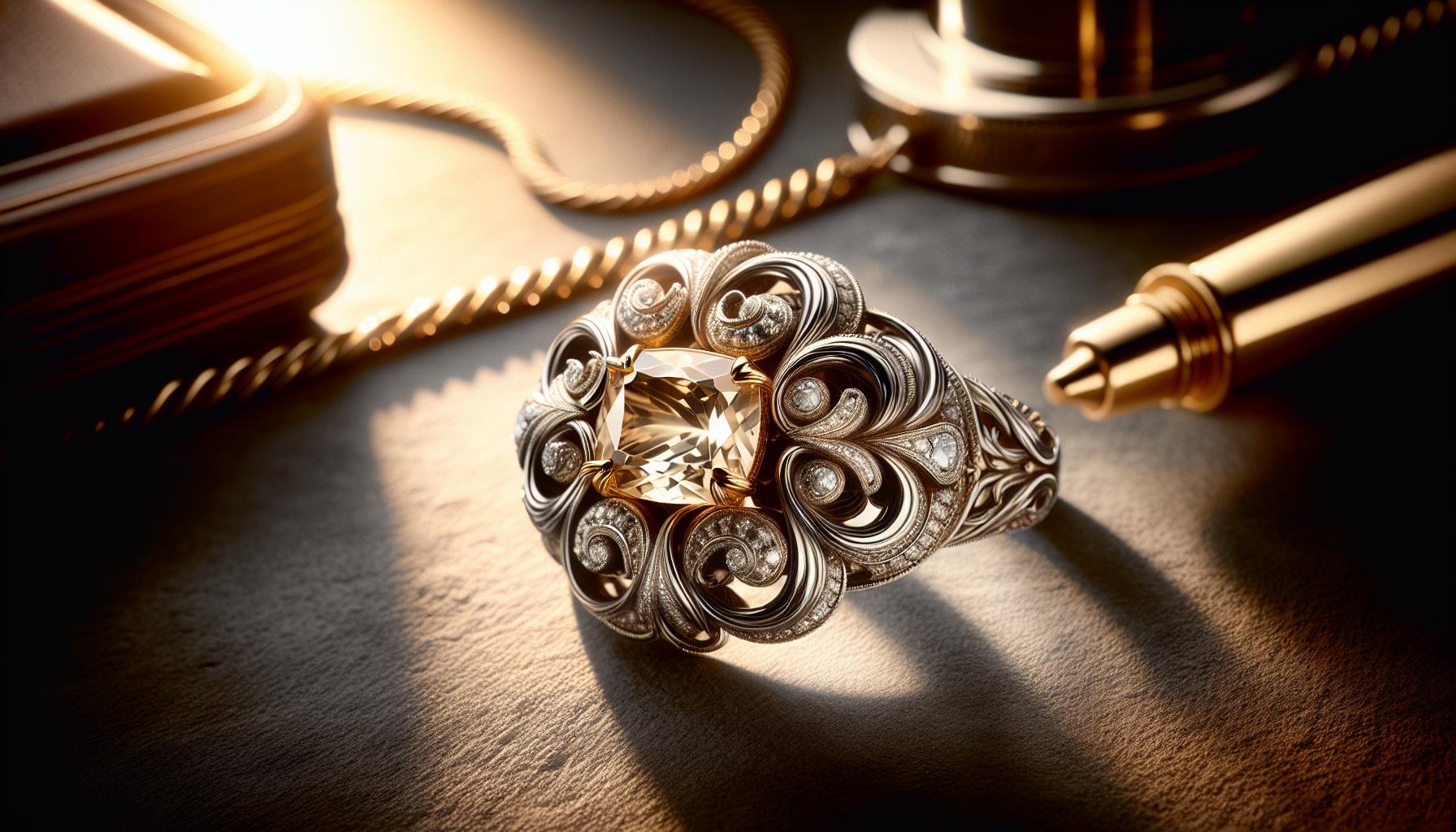
Maintaining the exquisite appearance of white gold jewelry isn’t merely about regular cleaning; it’s about understanding the vital role of rhodium plating. Rhodium, a rare and durable metal, is often used to coat white gold to enhance its luster and provide a protective barrier against scratches and tarnishing. Without this essential plating, white gold can quickly lose its shine, revealing the more yellowish hue of the gold alloy beneath.
Enhancing Aesthetic Appeal
One of the primary reasons rhodium plating is crucial for white gold is its aesthetic enhancement. The bright,reflective surface of rhodium gives white gold a striking glitter that elevates its visual appeal.over time, with wear, this layer can become scratched or fade, diminishing the overall brilliance of the jewelry. For pieces like engagement rings or statement necklaces, maintaining that glossy finish is essential to preserve their beauty and allure.
Protecting Your Investment
rhodium plating not only beautifies but also protects white gold from environmental factors that can cause damage. Everyday activities, exposure to chemicals, and even certain skin types can lead to reactions that tarnish the metal.In a practical sense, frequent rhodium replating can extend the life of your white gold jewelry and keep it looking new.Regular maintenance, ideally every 1-2 years, can prevent the underlying metal from suffering significant wear and tear.
Care Tips for Long-lasting Shine
To ensure your rhodium-plated white gold maintains its stunning appearance, consider these actionable steps:
- Avoid harsh chemicals: Stay away from cleaning products, perfumes, and lotions that can react negatively with your jewelry.
- Store carefully: Keep your white gold pieces in a soft cloth or padded jewelry box to protect them from scratches.
- Limit exposure: Remove your jewelry when engaging in activities that may lead to physical strain,such as exercising or gardening.
- Get regular inspections: Regular visits to a jeweler can definitely help identify any wear on the rhodium plating early on.
Implementing these care tips will not only maintain the luster of your white gold jewelry but also enhance its durability over time. Understanding the importance of rhodium plating is essential for anyone asking whether white gold requires special care; the answer is a resounding yes, and taking these steps will ensure your cherished pieces remain breathtaking.
Daily Habits That Safeguard Your White Gold Jewelry
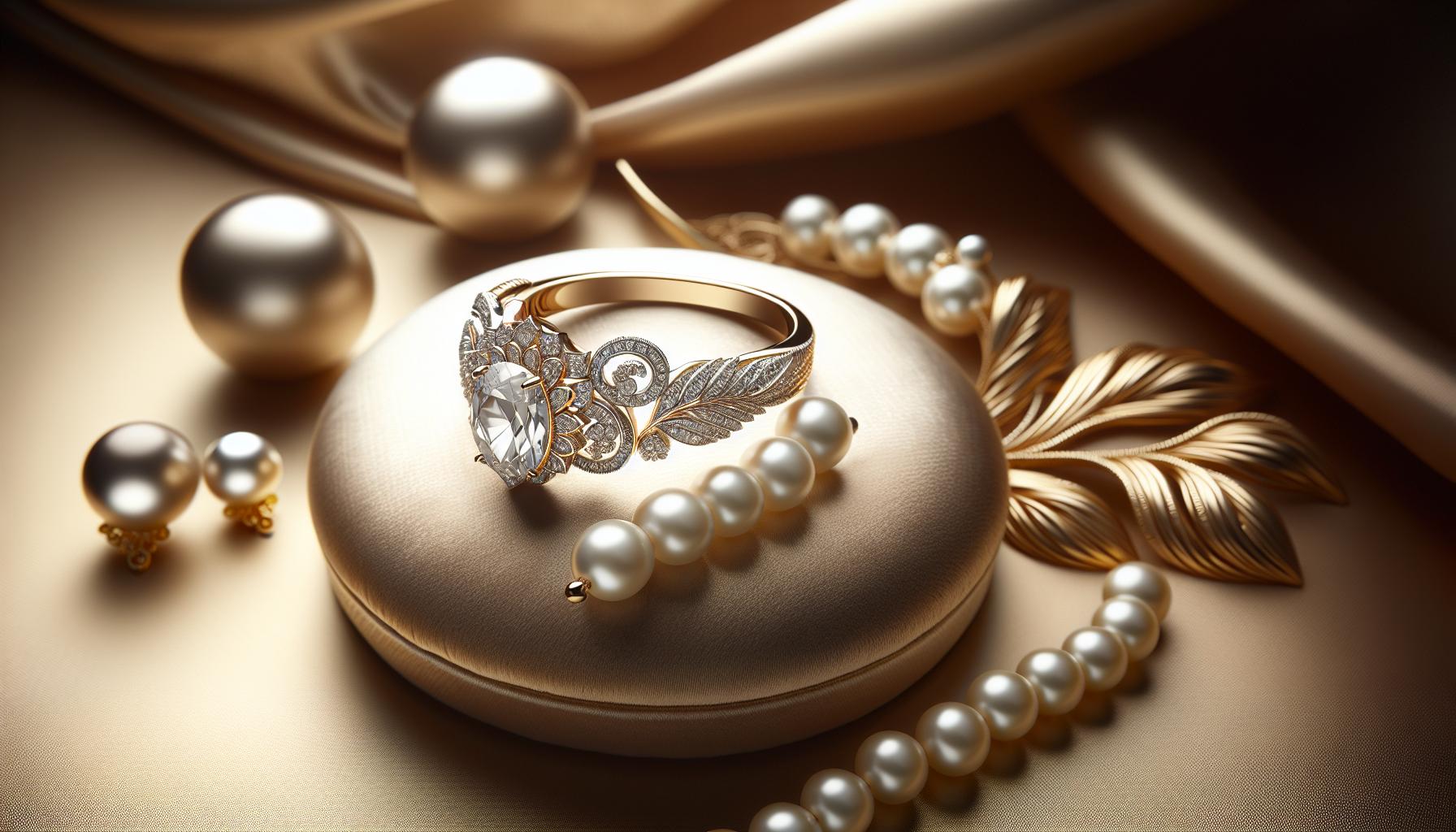
To preserve the shimmering brilliance of your white gold jewelry, integrating simple yet effective daily habits into your routine can make all the difference. white gold, celebrated for its elegance and strength, does indeed require special care to maintain its luster and finish. Incorporating a few mindful practices can help ensure your precious pieces remain as dazzling as the day you first wore them.
Clean After Wear
One of the easiest habits to adopt is cleaning your jewelry the moment you take it off. This helps remove any oils, sweat, or cosmetics that can dull its shine. Here’s a swift guide to cleaning your white gold items safely:
- Use a Soft Cloth: Gently wipe your jewelry with a microfiber cloth to eliminate dirt and oil.
- Warm Soapy Water: For a deeper clean, soak your pieces in a mixture of warm water and mild dish soap for a few minutes, then brush them lightly with a soft toothbrush.
- Rinse and Dry: Thoroughly rinse the jewelry under lukewarm water and dry it with a soft cloth to prevent water spots.
Store with Care
How you store your jewelry can significantly affect its condition.Avoid tossing your white gold accessories into a drawer; instead, consider these strategies:
- Individual Slots: Use a jewelry box with individual compartments to prevent scratching and tangling.
- Anti-Tarnish Bags: Store items in anti-tarnish pouches or cloths that help minimize exposure to humidity and prevent tarnishing.
- Keep Away from Light: Store your jewelry in dark or dimly lit spaces to slow the oxidation process.
Avoid Overexposure
Lastly, be mindful of the environments and products your jewelry comes into contact with. White gold can be sensitive to harsh chemicals and extreme conditions. For daily wear, follow these tips:
- Beauty Products: Apply perfumes, lotions, and hair products before putting on your jewelry to avoid chemical reactions that can dull or tarnish the metal.
- Remove During Activities: Take off your white gold pieces when engaging in activities like exercising, swimming, or cleaning to prevent scratches and exposure to water or chemicals.
Following these straightforward practices can significantly extend the life and beauty of your white gold jewelry. With just a little effort each day, you can enjoy your treasured pieces looking pristine for years to come.
Cleaning Techniques for Maintaining Your White Gold’s Luster
To keep your white gold jewelry looking pristine and radiant, understanding the right cleaning techniques is paramount. Unlike traditional yellow gold, white gold is often alloyed with metals such as palladium or nickel, and coated with rhodium for that lustrous finish. This unique composition means that simple soap-and-water cleaning routines might not be sufficient over time.
Gentle Cleaning solutions
Using the right cleaning agents can enhance the luster of your white gold without causing damage.Here’s how to create a simple yet effective cleaning solution:
- Diluted Dish Soap: Mix a few drops of a gentle dish soap in a bowl of warm water. Avoid harsh detergents, as they may contain chemicals that can dull the finish.
- Ammonia Mixture: For a deeper clean, consider mixing one part ammonia to six parts water. Use this sparingly, as it can be too strong if used frequently.
Cleaning Process
Once you have your cleaning solution ready, follow these steps to maintain your white gold’s shine:
- Soak: Submerge your white gold pieces in the solution for about 15-20 minutes.
- Gently Scrub: After soaking, take a soft-bristled toothbrush or a microfiber cloth. Gently scrub the surface,focusing on crevices where dirt and grime accumulate.
- Rinse Thoroughly: Rinse the jewelry under lukewarm water to remove all cleaning solution residues. Ensure the drain is covered to avoid losing your pieces.
- Drying: Use a clean, soft cloth to pat the jewelry dry. Avoid paper towels, as these can scratch the surface.
Professional Cleaning and Maintenance
In addition to at-home cleaning, consider professional maintenance to keep your white gold jewelry in top shape. Jewelers can provide thorough cleaning and can also reapply rhodium plating when it starts to wear away. Here’s a simple guideline for when to seek professional help:
| indicators for professional Cleaning | Frequency |
|---|---|
| Visible scratches or wear on the surface | every 6-12 months |
| Loss of luster despite regular cleaning | As needed |
| After significant exposure to chemicals (like chlorine) | Immediately |
By following these cleaning techniques and understanding when to seek professional help, you can ensure that your white gold jewelry retains its stunning luster for years to come. After all, investing a little time in maintenance not only enhances beauty but also preserves the emotional and monetary value of your beloved pieces.
Understanding Wear and Tear: How to Spot Damage Early
Every piece of jewelry tells a story, but over time, they can also bear witness to wear and tear that diminishes their shine and structural integrity. Understanding how to spot damage early is essential for anyone who treasures their white gold pieces,as it ensures they remain in pristine condition for years to come. Regularly examining your jewelry can help you catch issues before they escalate, possibly saving you from deep repairs or full replacements down the line.
Common Signs of Wear and Tear
Most damage to white gold jewelry frequently enough starts small. Here are a few key indicators to look out for:
- Scratches: These are nearly unavoidable, especially in rings. If you notice noticeable marks on the surface,it’s a sign that your piece may need polishing.
- Discoloration: While white gold is alloyed with metals like palladium or nickel,it is often rhodium-plated for that brilliant shine. If you begin to see yellow spots, the rhodium plating may be wearing off.
- Loose Stones: For pieces adorned with gems, ensure they are securely set. Shake the piece gently to see if anything rattles, and never hesitate to have loose stones professionally tightened.
- Broken Clasps or Links: Check that clasps,chains,and any links are intact. A broken link can lead to loss of the entire piece.
Proactive Maintenance Steps
Regular inspections, coupled with timely maintenance, are your best allies in preserving the beauty of your white gold jewelry. Here are some practical steps to adopt:
- routine Cleaning: Use a gentle jewelry cleaner or a mixture of warm water and mild soap to clean your white gold. A soft brush can also help reach intricate designs.
- Periodic Professional Check-ups: Just as you would for a car, bring your jewelry to a jeweler for regular check-ups. They can look for signs of wear you might miss and can provide a thorough polishing.
- Storage Solutions: Store your pieces separately in a lined jewelry box or pouches to prevent scratches. Avoid tossing everything into one drawer.
When to Seek Professional Help
If during your inspections you notice significant damage or anything that appears beyond a simple clean or polish, it’s time to consult a professional. Don’t wait until a small issue becomes a major problem. Regularly practicing these maintenance secrets not only answers the question, “Does white gold require special care?” but also highlights the importance of an early damage detection approach that keeps your jewelry looking its best.
| type of Damage | Potential Solution |
|---|---|
| Scratches | Professional polishing |
| Discoloration | Rhodium re-plating |
| Loose Stones | Tightening by a jeweler |
| Broken Links | Repairing or replacing |
By maintaining keen attention to the signs of wear and tear, you not only preserve the beauty of your white gold but also extend its life, ensuring that its story continues without the interruption of damage.
professional Services: When to Seek Expert Help for Your White Gold
White gold, with its stunning luster and elegance, continues to captivate jewelry lovers around the globe. Though,maintaining its beauty requires a keen understanding of its unique properties and the circumstances that may necessitate expert assistance. While many enthusiasts may feel confident undertaking basic care and cleaning, certain situations call for professional intervention to ensure that your treasured pieces remain in pristine condition.
Knowing When to Consult Experts
Although routine maintenance for white gold often involves simple practices like gentle cleaning and proper storage, there are specific scenarios where expert assistance becomes essential. Here are some situations to consider seeking professional services:
- Significant Scratches or Damage: If your white gold jewelry has deep scratches, dents, or any form of structural damage, a jeweler’s expertise is crucial for repair.DIY remedies might worsen the issue.
- Loss of Rhodium Plating: White gold is often plated with rhodium to enhance its shine and provide a durable finish. Over time, this plating may wear off. A professional can effectively re-plate your jewelry, restoring its original brilliance.
- Complex Settings: Jewelry with intricate designs or multiple gemstones may require specialized skill for cleaning or repairs. A jeweler will know how to handle these delicate components without causing further damage.
- Allergies and Metal Sensitivity: If you or someone else experiences an allergic reaction to white gold, an expert can assess the metal alloy and recommend potential solutions, such as switching to a hypoallergenic choice.
Choosing the Right Professional
When the time comes to engage a professional, selecting the right jeweler is paramount. Consider the following factors to make an informed decision:
- Experience & Reputation: Look for jewelers with solid experience in working with white gold.Reading reviews and seeking referrals can provide valuable insight.
- Services Offered: Ensure the jeweler offers specific services related to care and maintenance of white gold, including rhodium plating, repairs, and cleanings.
- Interaction: A trustworthy jeweler will take the time to explain the maintenance process, associated costs, and expected outcomes.
knowing when to seek expert help for your white gold jewelry could be the difference between preserving its beauty or facing irreversible damage.By being vigilant and proactive in identifying situations that require professional services, you can enjoy your jewelry for years to come while maintaining its memory and luster.
Seasonal Considerations: Keeping Your White Gold Safe Year-Round
Keeping white gold jewelry looking pristine throughout the year involves understanding how seasonal changes can impact its appearance and integrity. From the heat and humidity of summer to the cold and dryness of winter, each season presents unique challenges that can affect your precious pieces. Knowing how to care for white gold in response to these seasonal considerations can keep it gleaming and beautiful all year long.
Summer Care
Summer’s warm weather often leads to increased perspiration, which can create a build-up of dirt and grime on jewelry. To protect your white gold during this time, consider the following tips:
- Regular Cleaning: Wipe your jewelry with a soft, lint-free cloth to remove sweat and oils after wearing it.
- Avoid chlorine: If you’re swimming in a pool, take off your white gold jewelry. Chlorine can damage both the metal and any gemstones.
- Storage Precautions: Store your pieces in a cool, dry place to avoid tarnishing.
Autumn Adjustments
As temperatures begin to drop, it’s essential to refresh your care routine. Autumn can lead to fluctuations in humidity, which may impact your jewelry’s appearance.
- Check Settings: Inspect your rings and pendants for any loose stones after the summer months and consider taking them to a jeweler for tightening.
- Plan for Holiday Events: With many social gatherings in the fall, make sure to clean your jewelry thoroughly before wearing it for special occasions.
Winter Precautions
winter poses its own set of challenges, particularly due to cold exposure and the potential for harsh environmental conditions. Here are steps to ensure your white gold stays safe:
- Limit Exposure: Avoid wearing white gold when engaging in outdoor winter activities, as dramatic temperature changes can cause metal to contract and lead to potential damage.
- Keep It Dry: Moisture from snow and rain can tarnish white gold. Always make sure to dry your jewelry if it gets wet.
Spring Renewals
With spring comes a resurgence of vibrant colors and nature’s beauty, but it can also mean increased pollen and allergens that may cling to your jewelry.At this time, prioritize these care habits:
- deep Clean: take advantage of the fresh start by employing a thorough cleaning every few weeks. A mix of mild soap and warm water can do wonders.
- Inspect for damage: Spring is a great time for an annual check-up at a professional jeweler, ensuring that your white gold pieces are in top condition.
By staying proactive and tailoring your care routines to each season, you’ll find that managing white gold jewelry is less cumbersome than it may seem. such attention not only extends its beauty but also preserves its significance and sentimental value for years to come.
The Do’s and Don’ts of Storing Your White Gold Collection
When it comes to your cherished white gold jewelry, understanding the nuances of its care can extend the beauty and longevity of your pieces significantly. White gold is often appreciated for its sleek, modern aesthetics and durability, but it does require special attention to keep it looking its best. If you’ve ever wondered how to properly store your white gold collection, the following guidelines can help safeguard your valuables from scratches, tarnishing, and other forms of damage.
The Do’s of Storing White Gold Jewelry
1. Do use a soft pouch or jewelry box: Always store your white gold pieces in a soft, lined pouch or a dedicated jewelry box. This minimizes exposure to dust and reduces the risk of scratches from other pieces.
2. Do separate your items: To prevent your jewelry from scratching one another, it’s vital to keep items separated. Utilize compartments in a jewelry organizer or small soft bags for each piece, especially when storing rings, bracelets, and necklaces.
3. Do keep away from extreme temperatures: Your white gold should be stored in a cool, dry place. Avoid areas exposed to moisture, such as bathrooms, and do not leave your jewelry in a car, where high temperatures can affect the metal’s integrity.
The Don’ts of Storing White Gold Jewelry
1. Don’t expose to harsh chemicals: Household cleaners, perfumes, and lotions can tarnish the rhodium plating on your white gold. Always ensure your jewelry is clean and dry by removing it before applying any products that might contain harsh chemicals.
2. Don’t pile items together: Avoid tossing your jewelry into a single container or drawer. Stacking items can lead to scratches or gemstone damage. Instead,take the time to organise them thoughtfully.3. Don’t forget about regular maintenance: While these storage tips help protect your collection, white gold does benefit from periodic professional cleanings and re-rhodium plating. Establishing a routine schedule for maintenance can ensure they remain in pristine condition.
By adhering to these guidelines, you can make sure that your collection not only sparkles with every wear but also lasts for generations. Keeping these simple do’s and don’ts in mind will help you care for your collection effectively, ensuring it remains an integral part of your personal style.
Frequently Asked Questions
Does white gold require special care? Maintenance Secrets?
Yes,white gold requires special care. To maintain its shine and luster, regular cleaning and careful storage are essential. Users should avoid harsh chemicals and abrasive materials that can damage the finish over time.
White gold is an alloy of gold mixed with metals like palladium or nickel, which gives it a shiny appearance. However, its surface can become scratched or dull due to wear and tear. For optimal care, consider professional cleaning at least once a year. For simple maintenance, a gentle soap and water solution can suffice.
How do I clean my white gold jewelry?
You can clean white gold jewelry using mild soap and warm water. Soak the jewelry briefly, then use a soft brush to gently scrub away dirt and residue, avoiding abrasive tools.
After rinsing with clean water, dry the piece with a soft cloth. This simple cleaning method prevents dirt buildup and maintains the precious finish.For jewelry with intricate details, consider visiting a professional jeweler for a more thorough cleaning.
Why does white gold need rhodium plating?
white gold typically requires rhodium plating to enhance its luster and durability. Over time, the plating may wear off, exposing the darker alloy beneath, which necessitates re-plating for a restored appearance.
Rhodium plating not only provides a reflective finish but also protects against scratches and tarnishing. Depending on wear, consider re-plating your jewelry every few years to keep it looking pristine. Understanding the plating process is crucial for anyone investing in white gold pieces.
Can I wear white gold jewelry every day?
Yes, you can wear white gold jewelry daily with proper care. Though, frequent exposure to chemicals or rough conditions can affect its appearance and longevity.
To keep your jewelry in good shape, remove it during activities such as cleaning or exercising. Only use products safe for precious metals when cleaning, ensuring the longevity of your white gold. For detailed guidelines on wear and proper care, refer to our white gold care tips.
What should I avoid when caring for white gold?
Avoid exposure to harsh chemicals and abrasive materials. products like chlorine, bleach, and even some lotions can degrade the quality of your white gold, leading to tarnishing and loss of shine.
additionally, steer clear of wearing your jewelry while swimming or doing any strenuous activities to prevent scratches. Being mindful of these factors can greatly extend the life of your cherished pieces.
How often should I get my white gold jewelry professionally cleaned?
It’s advisable to get white gold jewelry professionally cleaned at least once a year. This regular maintenance helps restore its shine and can identify any necessary repairs.
Professional jewelers can provide deep cleaning and rhodium re-plating, ensuring your jewelry remains in excellent condition. If you wear your jewelry often,consider increasing the frequency of cleanings to keep it looking as good as new.
Can I use jewelry cleaning solutions on white gold?
Yes, but always opt for solutions specifically labeled safe for white gold. Some general cleaning products may be too harsh, leading to damage or dullness.
When selecting a cleaner, read ingredients carefully and follow instructions closely to avoid any adverse reactions. This step ensures your jewelry remains safe and maintains its gorgeous finish over time.
to sum up
while white gold is an exquisite and durable choice for jewelry, it does require some special care to maintain its luster and quality over time. regular cleaning with gentle solutions, periodic rhodium plating, and careful storage are essential practices to ensure your pieces remain as beautiful as the day you acquired them. By understanding the unique properties of white gold and implementing simple maintenance routines, you can enjoy your investment for years to come.
We encourage you to explore further—whether you’re looking for more in-depth guides on precious metal care or insights into the history and craftsmanship behind your favorite pieces. Your journey with white gold doesn’t end here; delve into the rich tapestry of its significance and let us be your trusted source for all things gold. Join the conversation, ask your questions, and discover the timeless allure that white gold brings into your life!